
 Ekani Ella
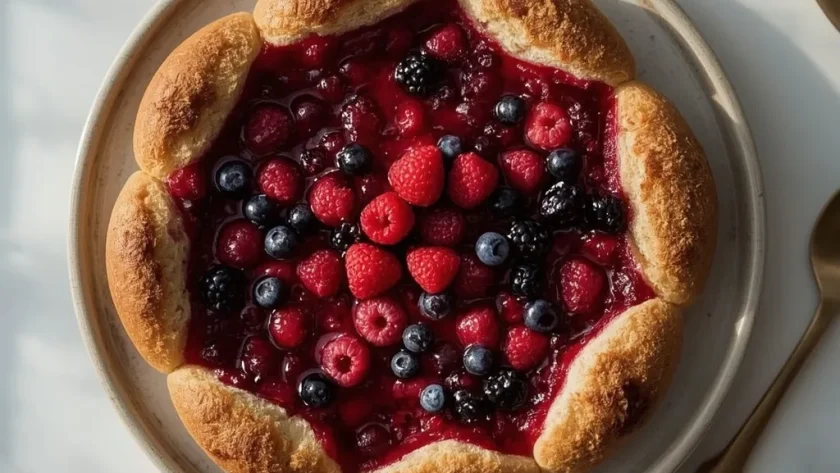
 A Mary Berry Summer Pudding is the kind of British classic that feels like sunshine on a plate. Juicy summer berries are gently softened with sugar, then left to soak into tender white bread overnight, creating a jewel-toned pudding that slices cleanly and tastes intensely fruity.
This recipe takes just 20 minutes of active prep and about 6 hours (or overnight) of chilling. It’s beginner-friendly, though you do need to handle the bread lining carefully to avoid gaps. Perfect for a summer dinner party or a weekend treat when berries are at their peak.
What is Mary Berry Summer Pudding?
It is a no-bake English dessert where a mixture of raspberries, strawberries, blackberries, sugar, and lemon juice is briefly cooked, then layered into a basin lined with white bread slices soaked in the berry syrup. The pudding is weighted and chilled overnight so the bread absorbs all the deep fruit juices. The result is a firm, sliceable pudding with a soft, jammy interior and a bright, sweet-tart flavour that tastes of pure summer.
Why This Recipe is Worth Trying
- No oven required – Everything happens on the stovetop and in the fridge, so your kitchen stays cool on hot days.
- Simple, everyday ingredients – Bread, mixed berries, sugar, and lemon juice are all you need. No fancy equipment.
- Impressively elegant – The deep ruby-red slices look stunning on a plate, yet the method is surprisingly easy.
- Make-ahead convenience – It gets better overnight, so you can prep it a day before serving and relax.
- Highly adaptable – Swap the berries for whatever looks best at the market, and adjust sweetness to your taste.
Essential Ingredients to Make Mary Berry Summer Pudding
Here is everything you need, broken down by category. Use the exact amounts listed for the best texture and flavour.
The Berries
- 2 cups fresh raspberries (about 10 oz) – Their soft texture breaks down easily, releasing lots of deep red juice and a gentle tartness. Look for plump, dry berries without mush.
- 1 cup fresh strawberries, hulled and halved (about 6 oz) – Adds sweetness and a chunkier bite. Choose fragrant, deeply coloured strawberries for the best flavour.
- 1 cup fresh blackberries (about 5 oz) – Brings a earthy, slightly tangy note and beautiful dark colour. Swap for blueberries or redcurrants if you prefer.
The Sweetener and Liquid
- 1/2 cup granulated sugar (3.5 oz) – Balances the berries’ natural acidity and helps draw out their juices. You can reduce to 1/3 cup for a less sweet pudding.
- 1 tablespoon fresh lemon juice – Brightens the fruit flavour and prevents the syrup from tasting flat. Bottled juice works, but fresh is noticeably better.
- 2 tablespoons water – Just enough to get the juices flowing without diluting the berry flavour.
The Bread
- 10 to 12 slices white bread (about 10 oz), crusts removed, each slice about 1/4 inch thick – Slightly stale bread absorbs syrup best. Standard supermarket white bread works perfectly; avoid thick artisan loaves that won’t soak evenly.
For Serving (Optional)
- Lightly sweetened whipped cream or crème fraîche – Cooling, tangy dollops balance the sweet fruit. Use dairy-free alternatives if needed.
Handy Kitchen Tools for Best Results
- Medium nonreactive saucepan (stainless steel or enameled) – Prevents any metallic taste from the berries’ acidity. A heavy bottom helps the fruit cook gently.
- Fine-mesh sieve and a bowl – Essential for separating the berry solids from the syrup. Press gently to extract maximum liquid without pushing seeds through.
- 1-pint (2-cup) pudding basin or deep bowl – Gives the classic round shape. A small Pyrex bowl or ramekin works as a substitute.
- Plastic wrap – For lining the basin and covering the pudding. Overhang of at least 3 inches makes unmoulding much easier.
- Small plate or saucer and a weight (e.g., a 1-pound bag of sugar or a heavy can) – Presses the pudding evenly so the bread absorbs all the juices. Without weight, the result will be loose and messy.
Step-by-Step Guide to Making Mary Berry Summer Pudding
Follow these steps closely, especially when lining the basin. The bread must be well soaked but not falling apart.
- Cook the berries – Place raspberries, strawberries, blackberries, sugar, lemon juice, and water in the saucepan over medium heat. Cook for 4–5 minutes, stirring gently, until sugar dissolves and berries release their juices. Do not let it boil hard; you want soft but not mushy fruit.
- Strain the syrup – Pour the berry mixture into a sieve set over a bowl. Let drain for 5 minutes, then gently press the solids to extract extra syrup. Keep the syrup and fruit solids separate; both are used later.
- Line the basin – Cover the basin with plastic wrap, leaving plenty of overhang. Trim the crustless bread slices to fit snugly. Cut one slice into a round for the bottom, dip one side in syrup, and place it syrup-side down. Repeat to cover the bottom completely.
- Line the sides – Dip remaining bread slices one side in syrup and press the coated side against the basin walls. Overlap slightly so there are no gaps. Reserve 2–3 slices for the top.
- Fill with fruit – Spoon the reserved berry solids into the bread-lined basin, pressing down gently to fill every gap. Pour about half the remaining syrup over the fruit.
- Top with bread lid – Dip the reserved slices briefly in the remaining syrup and arrange them tightly over the fruit. Fold the overhanging plastic wrap over the top to seal.
- Weight and chill – Place a small plate or saucer on the pudding, then weigh it down with a heavy can or sugar bag. Refrigerate for at least 6 hours, ideally overnight. The longer it sits, the better the bread stains.
- Unmould and serve – Remove weight and plate. Unfold the plastic, invert a serving plate onto the basin, and turn the pudding out. Peel off the wrap. If any bread looks pale, baste with reserved syrup until evenly ruby-red. Serve at room temperature in thick slices with whipped cream or crème fraîche.
What I Got Wrong (And How I Fixed It)
- Bread too thick – I used thick artisan bread that barely absorbed the syrup. Switch to standard thin white sandwich bread (about 1/4 inch thick) – it soaks perfectly and feels tender.
- Overlapping badly – I left gaps between bread slices, causing fruit to leak out. Overlap each slice by about 1/2 inch to seal the basin completely.
- Skipping the weight – I thought a gentle press was enough, but the pudding ended up loose and watery. A 1-pound weight is essential to compact the fruit and push syrup into every bread layer.
- Too little chilling time – I tried to rush with only 3 hours. The centre was pale and the bread had not absorbed evenly. Overnight chilling gives the best colour and firmness.
- Overcooking the berries – I let the mixture boil aggressively, turning the fruit into jam. Cook on medium heat only until the berries release their juices – about 4–5 minutes – and they will hold their shape better.
Healthier Version of Mary Berry Summer Pudding
- Reduce the sugar – Cut the granulated sugar from 1/2 cup to 1/3 cup (about 2.3 oz). The natural sweetness of ripe berries still gives a pleasant dessert, and each serving saves roughly 30 calories and 8g sugar.
- Swap for whole-wheat bread – Use thin whole-wheat or whole-grain sandwich bread instead of white. It adds about 2g extra fibre per slice and a nuttier flavour that complements the fruit.
- Use a sugar substitute – Replace the sugar with an equal volume of erythritol or monk fruit sweetener. The syrup will be slightly less syrupy, so reduce the water to 1 tablespoon and cook 1 minute less.
- Serve with low-fat yogurt – Instead of whipped cream, top each slice with a dollop of plain Greek yogurt (0% fat). It cuts the fat to under 1g per serving while adding protein.
- Add chia seeds for extra fibre – Stir 1 tablespoon of chia seeds into the cooked berry mixture before layering. They will thicken the juices slightly and boost fibre to about 11g per serving.
Ingredient Substitutions for Mary Berry Summer Pudding
- 2 cups fresh raspberries → 2 cups frozen raspberries (do not thaw) – Frozen berries work well and release slightly more liquid. Increase cook time by 1 minute and reduce the water to 1 tablespoon.
- 1 cup fresh blackberries → 1 cup fresh blueberries – Blueberries are less tart but still juicy. The syrup will be a deeper purple. No other changes needed.
- 1/2 cup granulated sugar → 1/3 cup honey – Honey adds floral notes and more moisture. Reduce the water to 1 tablespoon and cook on low heat to avoid caramelising.
- 10 to 12 slices white bread → 10 to 12 slices brioche or challah – Enriched bread gives a softer, slightly buttery result. The pudding will be richer, and the slices may need a few more minutes to soak.
- 1 tablespoon lemon juice → 1 tablespoon lime juice or 1/2 teaspoon citric acid – Lime juice adds a different citrus note; citric acid concentrates pure sourness. Use as a direct swap.
- Whipped cream → coconut cream (chilled and whipped) – For a dairy-free topping, refrigerate a can of full-fat coconut milk overnight, scoop out the solidified cream, and whip until fluffy.
Pairing Ideas: What to Serve With Mary Berry Summer Pudding
A simple slice is wonderful on its own, but a few thoughtful accompaniments elevate it to a proper dessert course.
- Lightly sweetened whipped cream – The classic choice. Its airy richness cuts the intense fruit and makes each bite feel luxurious.
- Crème fraîche – Tangier than cream, this adds a subtle sour note that balances the sweetness beautifully. A dollop is all you need.
- Vanilla ice cream – A scoop of good-quality vanilla softens the tartness and gives a creamy contrast to the firm pudding.
- Fresh mint leaves – Scatter a few on the plate. Their clean, peppery flavour refreshes the palate between spoonfuls.
- A glass of elderflower cordial or sparkling water with lemon – A light, floral drink echoes the summer theme without overwhelming the dessert.
- Shortbread biscuits – Buttery, crumbly cookies add a textural counterpoint to the soft fruit and bread.
Expert Tips to Make Perfect Mary Berry Summer Pudding
- Choose day-old bread – Slightly stale bread absorbs syrup more evenly than fresh. If your bread is very fresh, toast it lightly (but not browned) to dry it out.
- Dip bread quickly, not soaked – Just a brief dip in the syrup – 1 to 2 seconds per side – is enough. Over-soaked bread turns mushy and tears when pressed.
- Press the fruit firmly – After spooning the berry solids into the basin, use the back of a spoon to compact them. This eliminates air pockets and ensures the pudding holds together when sliced.
- Chill for a full 12 hours – While 6 hours works, overnight chilling (10–12 hours) gives the deepest colour and cleanest slices. The bread becomes uniformly ruby-red.
- Baste pale spots right before serving – After unmoulding, use a pastry brush to dab any white areas with the reserved syrup. It instantly evens out the colour.
- Let it come to room temperature – Serve the pudding at cool room temperature, not straight from the fridge. The flavour of the berries is much more pronounced after 15–20 minutes on the counter.
- Save the extra syrup – Any leftover berry syrup is fantastic drizzled over yogurt, pancakes, or ice cream. It keeps in the fridge for about a week.
Creative Ways to Customize Mary Berry Summer Pudding
- Spiced berry pudding – Add 1/2 teaspoon ground cinnamon and a pinch of cloves to the berry mixture while cooking. The warm spices pair beautifully with autumnal berries like blackberries and apples.
- Citrus twist – Replace the lemon juice with orange juice and add 1 teaspoon finely grated orange zest. The citrus flavour brightens the fruit and gives a more floral note.
- Liqueur-soaked version – Stir 2 tablespoons of crème de cassis, Chambord, or a berry-flavoured liqueur into the berry mixture after cooking. The alcohol enhances the fruitiness without adding extra sugar.
- Individual mini puddings – Use four 1/2-cup ramekins instead of one large basin. Reduce the chilling time to 4 hours and the weight to a small can per each. Perfect for dinner parties.
- Gluten-free adaptation – Use gluten-free white sandwich bread (the kind that is soft and thin). The texture will be slightly less sturdy, so handle with care when unmoulding.
- Vegan option – The pudding itself is naturally vegan (bread, fruit, sugar). For topping, use coconut whipped cream or a plant-based crème fraîche.
Storing Mary Berry Summer Pudding the Right Way
- Refrigerator (short-term) – Keep the pudding tightly wrapped in plastic wrap or in an airtight container for up to 2 days. The bread will continue to absorb moisture, so the texture stays good.
- Room temperature (serving) – If you plan to serve within 2 hours, you can keep the unmoulded pudding on the counter. Cover it with a clean tea towel to prevent drying.
- Freezing is not recommended – The bread becomes watery and loses its structure upon thawing. The fruit also turns mushy. Only freeze if you absolutely must, and accept a softer texture.
- Leftover syrup – Any reserved syrup that did not get used for basting can be stored in a sealed jar in the fridge for up to 1 week. Use it to top pancakes, yogurt, or ice cream.
- Sliced leftovers – If you have leftover slices, wrap each in plastic wrap and refrigerate. They will keep for the same 2 days. Let come to room temperature before serving again.
How to Reheat Mary Berry Summer Pudding (If Needed)
This dessert is traditionally served cold or at room temperature, but if you prefer a slightly warm pudding, here are safe methods.
- Microwave (quick) – Place a single slice on a microwave-safe plate and heat on medium power for 15–20 seconds. The bread will soften more but still hold its shape. Do not exceed 30 seconds or the fruit will bubble and turn runny.
- Oven (gentle) – Preheat to 300°F (150°C). Place the whole pudding (still in its plastic wrap) in a small baking dish and warm for 10 minutes. Unwrap carefully – the bread will be warm but not hot. This works best if the pudding was refrigerated overnight.
- Stovetop (individual slices) – Heat a nonstick pan on low. Place a slice of pudding in the pan and cover with a lid. Warm for 1 minute on each side. The bread will caramelize slightly at the edges, which adds a pleasant toasty note.
Nutritional Breakdown (per serving)
Based on 1 serving = 1/4 of the pudding (out of 4 total servings).
- Calories – 359
- Protein – 7g
- Fat – 3g
- Saturated Fat – about 1g
- Carbohydrates – 75g
- Fiber – 9g
- Sugar – 36g
- Sodium – 400mg
- Cholesterol – around 0mg
FAQs
Can I make Mary Berry Summer Pudding without bread?
Bread is essential for the traditional texture – it soaks up the syrup and holds the shape. If you need a gluten-free option, use gluten-free white bread, but avoid very dense gluten-free loaves.
How long does Mary Berry Summer Pudding last in the fridge?
It keeps well for up to 2 days if tightly wrapped. The bread will continue to soften but the flavour stays excellent. Do not keep longer than that because the fruit can start to ferment.
Can I freeze Mary Berry Summer Pudding?
Freezing is not recommended. The bread turns watery and the fruit loses its vibrant texture upon thawing. If you must freeze, slice it first and thaw in the fridge, then serve immediately.
What if my berry syrup is too thin?
Pour the strained syrup into a small saucepan and simmer over low heat for 2–3 minutes until slightly thickened. Let it cool before using to baste the bread.
Can I use frozen berries for Mary Berry Summer Pudding?
Yes, frozen raspberries, strawberries, and blackberries work well. Do not thaw them beforehand – add them frozen and increase the cooking time by about 1 minute. Reduce the water to 1 tablespoon because frozen berries release more liquid.
Why is my pudding pale on the inside?
The bread near the centre often does not get enough syrup. Next time, pour about 2/3 of the syrup over the fruit rather than half, and press the fruit down more firmly before adding the top bread lid. Basting the inside of the top bread before laying it on also helps.
Try These Recipes
Wrapping It Up
Making Mary Berry Summer Pudding is one of the easiest ways to turn a handful of berries into a stunning, make-ahead dessert. The technique is forgiving, the results are beautiful, and every bite tastes like the height of summer. Give it a try this weekend – your family and guests will be truly impressed.
PrintMary Berry Summer Pudding

A classic English dessert that celebrates the season’s best berries. Juicy summer fruits are gently cooked with sugar, then left to soak into tender white bread overnight, creating a jewel-toned, intensely flavored pudding that slices cleanly and tastes of sunshine.
- Prep Time: 20
- Cook Time: 5
- Total Time: 435
- Yield: 4 1x
- Category: Dessert
- Method: Stovetop
- Cuisine: British
Ingredients
- 2 cups fresh raspberries (about 10 oz)
- 1 cup fresh strawberries, hulled and halved (about 6 oz)
- 1 cup fresh blackberries (about 5 oz)
- 1/2 cup granulated sugar (3.5 oz)
- 1 tablespoon fresh lemon juice
- 2 tablespoons water
- 10 to 12 slices white bread (about 10 oz), crusts removed, each slice about 1/4 inch thick
- Optional: lightly sweetened whipped cream or crème fraîche, for serving
Instructions
- Place the raspberries, strawberries, blackberries, sugar, lemon juice, and water in a medium, nonreactive saucepan (stainless steel or enameled). Set over medium heat and cook, stirring gently with a rubber spatula, until the sugar dissolves and the berries begin to release their juices—about 4 to 5 minutes. Do not let the berries boil vigorously; you want them to soften but still hold some shape.
- Once the mixture is syrupy and the berries are tender, remove from heat. Pour the berry mixture into a fine-mesh sieve set over a bowl. Let the juices drain for 5 minutes, then gently press on the solids with the back of a spoon to extract extra syrup. Reserve the strained syrup separately (you will need it for basting). Set the berry solids aside to cool slightly.
- Line a 1-pint (2-cup) pudding basin or deep bowl with a sheet of plastic wrap, letting the edges overhang by at least 3 inches—this will help you unmold the pudding later. Trim the crustless bread slices so they fit snugly, but keep them as large as possible.
- Cut one slice of bread into a round to fit the bottom of the basin. Dip one side of the round briefly into the reserved berry syrup, then place it syrup-side down in the bottom. Repeat with enough bread slices to cover the bottom completely, trimming and overlapping as needed so there are no gaps.
- Now line the sides of the basin with more bread slices, dipping one side of each slice into the berry syrup and pressing the syrup-coated side against the basin. Overlap the slices slightly, covering the entire interior surface. Reserve 2 to 3 slices for the top.
- Spoon the reserved berry solids into the bread-lined basin, pressing them down gently with the back of a spoon so they fill all the gaps. The fruit should come almost to the rim. Pour about half of the remaining berry syrup over the fruit—reserve the rest for serving.
- Dip the reserved bread slices one at a time into the remaining syrup (just enough to moisten them), then arrange them over the fruit to form a tight lid. Trim any overlapping edges so the lid fits flush with the rim. Fold the overhanging plastic wrap over the top to cover the pudding completely.
- Place a small plate or saucer directly on top of the wrapped pudding, then weigh it down with a heavy can or a 1-pound bag of sugar. Refrigerate for at least 6 hours, ideally overnight—the longer it sits, the more evenly the bread absorbs the berry juices and the cleaner the slices will be.
- After chilling, remove the weight and plate. Unfold the plastic wrap, invert a serving plate onto the basin, then turn the pudding out onto the plate. Peel off the plastic wrap. If any bread looks pale, baste it with the reserved berry syrup until the entire pudding is evenly stained a deep ruby red.
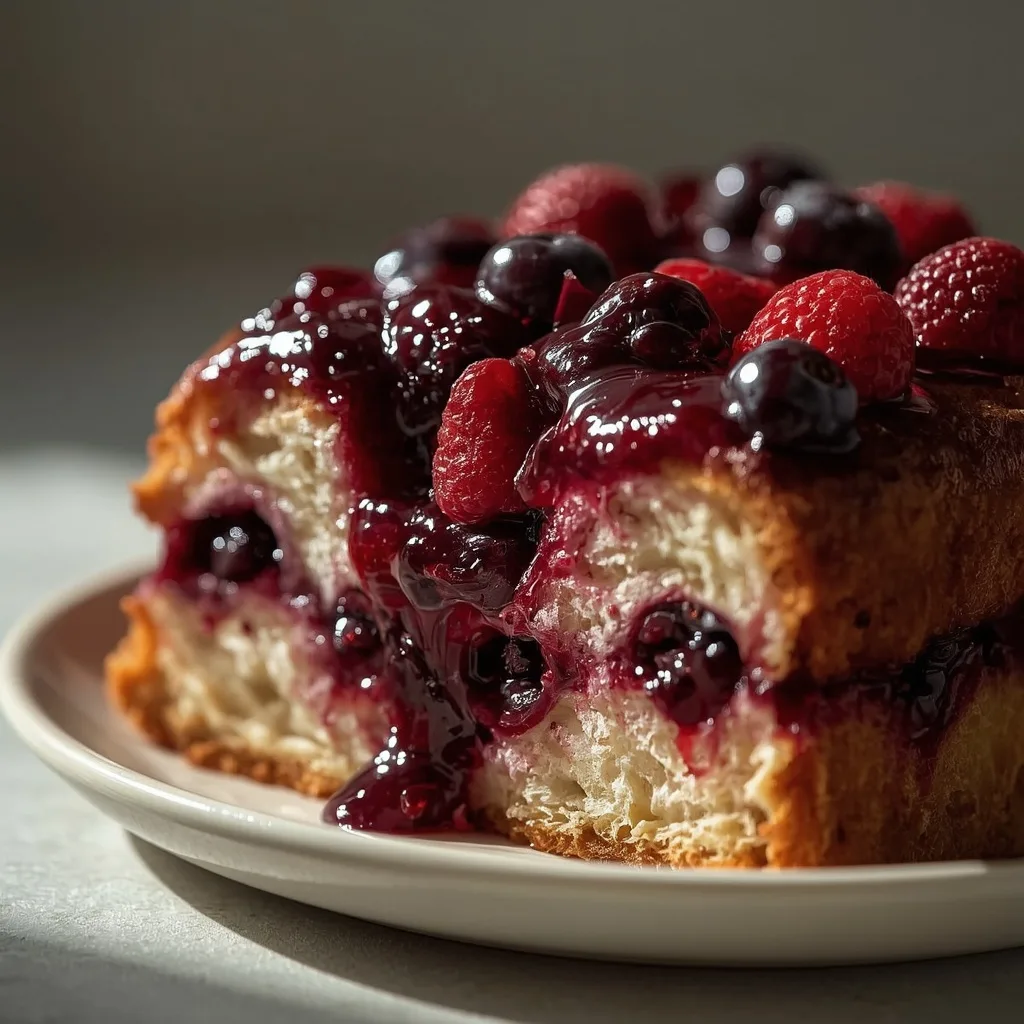
- Serve at room temperature in thick slices, each portion showing a layer of bread encasing the glistening fruit. Accompany with lightly sweetened whipped cream or a dollop of crème fraîche if desired. The pudding keeps well in the refrigerator for up to 2 days.
Notes
Store leftover summer pudding in the refrigerator, tightly covered with plastic wrap, for up to 2 days. The pudding does not freeze well because the bread becomes watery upon thawing. To serve from chilled, let stand at room temperature for 15 to 20 minutes to take the chill off. If you prefer a less sweet pudding, reduce the sugar to 1/3 cup (2.3 oz). Any combination of summer berries works—try redcurrants, blueberries, or loganberries in place of the blackberries.
Nutrition
- Calories: 359
- Sugar: 36g
- Sodium: 400mg
- Unsaturated Fat: 0.5g
- Carbohydrates: 75g
- Fiber: 9g
- Protein: 7g
- Cholesterol: 0mg
Keywords: summer pudding, Mary Berry summer pudding, British pudding, berry pudding, no-bake dessert, summer dessert, berry dessert, molded pudding, bread pudding, English dessert