
 Ekani Ella
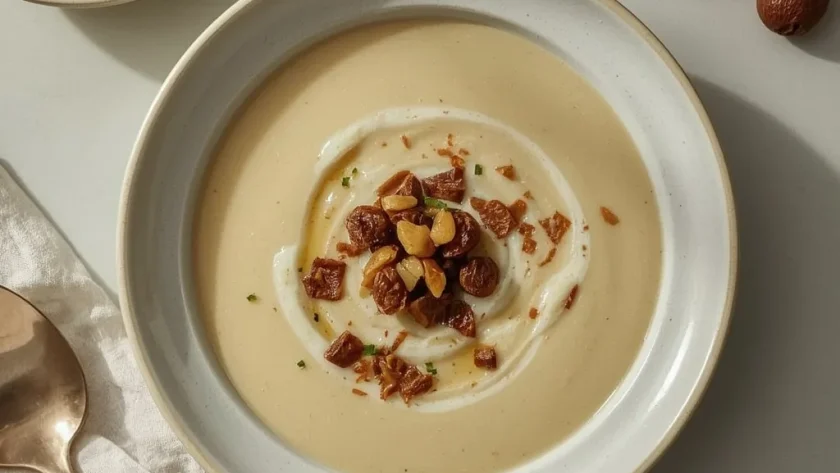
 Mary Berry Parsnip and Chestnut Soup delivers exactly what chilly afternoons demand — a bowl of something warm, silky, and quietly luxurious. This British classic leans on two humble ingredients, parsnips and chestnuts, transforming them with butter, cream, and a whisper of nutmeg into a velvety soup that tastes far more indulgent than the effort suggests.
The whole process takes about 50 minutes from start to finish, and the method is straightforward enough for a confident beginner. It works equally well as a relaxed weekend lunch or an elegant starter when you have guests. The only slightly tricky moment is blending hot liquid — but a steady hand and a tea towel solve that in seconds.
What is Mary Berry Parsnip and Chestnut Soup?
This is a smooth, puréed soup built around earthy parsnips and sweet, tender chestnuts, simmered in stock and finished with cream. The method is pure stovetop comfort — sautéed onions and garlic form the base, then everything simmers together until soft enough to blend into a silky consistency.
The flavour lands somewhere between savoury and subtly sweet. The parsnips bring a mellow, almost nutty sweetness that deepens during cooking, while the chestnuts add body and a gentle richness that keeps each spoonful interesting. A pinch of nutmeg cuts through the creaminess, making it feel festive without being heavy. Serve this on a grey autumn day or as a Christmas starter — it fits both occasions perfectly.
Why This Recipe is Worth Trying
You probably have most of the ingredients already, and the payoff is genuinely impressive. Here is why this one earns a permanent spot in my rotation:
- Minimal hands-on work — most of the cooking time is unattended simmering, leaving you free to prep a side or simply relax.
- Silky texture without fuss — the natural starch in parsnips and chestnuts creates a creamy body that does not rely on heavy cream alone.
- Budget-friendly elegance — parsnips cost very little, and vacuum-packed chestnuts are affordable year-round, yet the finished bowl feels refined.
- Make-ahead friendly — the flavour actually improves after a day in the fridge, making it ideal for entertaining or meal prep.
- Diet flexibility — a few easy swaps turn it vegan, dairy-free, or lower in fat without sacrificing the velvety consistency.
Essential Ingredients to Make Mary Berry Parsnip and Chestnut Soup
Every ingredient here pulls its weight — nothing is filler. This is what you need, along with a few notes on what matters most.
Aromatics & Fats
- 2 tablespoons unsalted butter — builds the flavour foundation. Salted butter works in a pinch, but reduce the added salt later by half.
- 1 medium onion (about 1 cup), finely chopped — provides sweetness and depth. Yellow or white onions both work well; avoid red onion here as it muddies the colour.
- 1 garlic clove, minced — a single clove adds warmth without dominating. Use fresh, not jarred, for the cleanest taste.
Vegetables & Chestnuts
- 1 pound parsnips (about 4 medium), peeled and cut into 1-inch chunks — the star ingredient. Look for firm, medium-sized parsnips without soft spots; larger ones can have woody cores.
- 8 ounces cooked and peeled chestnuts (vacuum-packed), roughly chopped — these add body and a subtle sweetness. Vacuum-packed chestnuts are reliable and ready to use; avoid sweetened chestnut purée.
Liquids
- 4 cups hot vegetable or chicken stock, plus extra if needed — vegetable stock keeps it vegetarian; chicken stock adds a richer backbone. Use low-sodium if possible, then adjust seasoning at the end.
- ½ cup heavy cream (double cream), plus extra for drizzling — stirred in at the end for that signature velvety finish. Full-fat delivers the best mouthfeel.
Seasonings & Garnish
- ½ teaspoon fine sea salt, plus more to taste — added in stages to build flavour without overshooting.
- ¼ teaspoon white pepper (or freshly ground black pepper) — white pepper keeps the pale colour intact; black pepper adds more bite and visible specks.
- Pinch of freshly grated nutmeg, or to taste — just a whisper here. Freshly grated makes a noticeable difference over pre-ground.
- 1 tablespoon olive oil — only needed if roasting the vegetables first for deeper caramelisation.
- Chopped fresh parsley or snipped chives, for garnish — a fresh, green finish that brightens each bowl.
Handy Kitchen Tools for Best Results
Nothing specialised is required, but the right tools make the blending step much smoother.
- Immersion blender — the easiest way to purée the soup directly in the pot. No transferring hot liquid, fewer dishes, and full control over texture.
- Large heavy-based saucepan or Dutch oven — a wide, heavy bottom prevents scorching during the simmer and holds heat evenly.
- Rimmed baking sheet — essential if you choose the optional roasting step. A rimmed edge keeps the parsnips and chestnuts from sliding off when you stir.
- Chef’s knife and sturdy cutting board — parsnips are dense, so a sharp, heavy knife makes chopping safer and quicker.
- Liquid measuring cup and measuring spoons — accuracy matters most with the stock, cream, and seasonings, so standard measures keep everything balanced.
Step-by-Step Guide to Making Mary Berry Parsnip and Chestnut Soup
Ten steps take you from raw ingredients to a velvety bowl. Read through once before starting — it moves quickly once the simmer begins.
- Optional roasting — For deeper, caramelised flavour, preheat the oven to 400°F / 200°C. Toss the chopped parsnips and chestnuts with 1 tablespoon olive oil on a rimmed baking sheet and spread them into a single layer. Roast for 25–30 minutes, turning once, until the parsnips are tender and the edges turn golden. Set aside and move to step 3; the onion base still needs to happen.
- Building the onion base — Melt the 2 tablespoons butter in a large heavy-based saucepan or Dutch oven over medium heat. Once it foams and stops sizzling, add the finely chopped onion with a pinch of salt. Cook for 6–8 minutes, stirring occasionally, until the onion turns soft and translucent. Lower the heat if it starts to colour — you want sweetness, not browning.
- Adding garlic — Stir in the minced garlic and cook for 1 minute just until fragrant. Garlic burns quickly, so keep it moving and do not walk away.
- Sautéing the vegetables — Add the raw parsnips and chestnuts (or the roasted mixture if you took that route) to the pot. Stir everything to coat in the buttery onion mixture and let it sauté gently for 3–4 minutes. This softens the vegetables slightly and helps them absorb the savoury base flavours.
- Simmering — Pour in the 4 cups of hot stock, making sure the solids are just covered. Crank the heat to high and bring the liquid to a rolling boil, then immediately reduce to a gentle simmer over medium-low. Partially cover the pot and simmer for 20–25 minutes. You will know it is done when a parsnip chunk collapses easily under fork pressure.
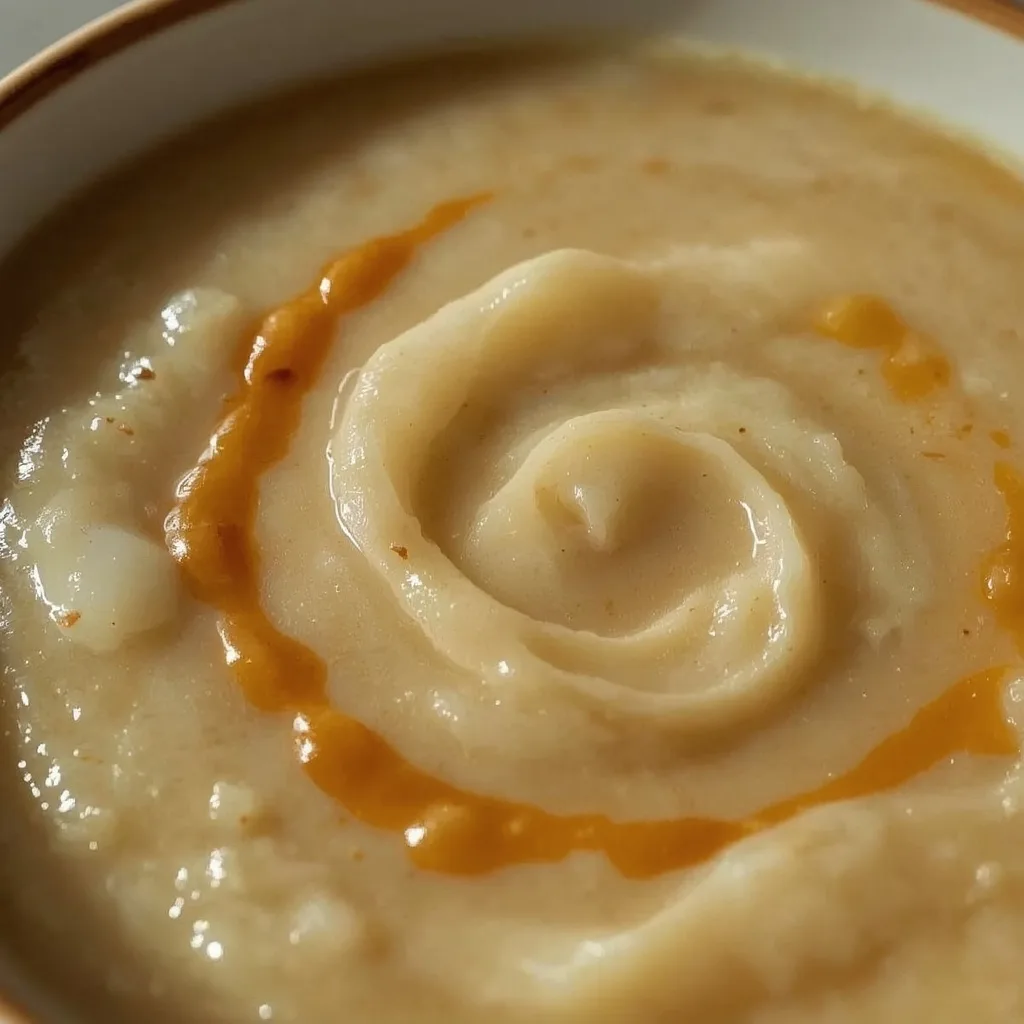
- Blending safely — Remove the pan from the heat. Use an immersion blender to purée the soup directly in the pot until completely smooth and velvety. If using a countertop blender, work in batches, filling no more than halfway. Remove the central cap to let steam escape and cover the hole loosely with a tea towel — hot soup under pressure is dangerous.
- Finishing with cream — Return the blended soup to the pot if you used a countertop blender, and place it back over low heat. Stir in the ½ cup of heavy cream, the ½ teaspoon of sea salt, the white pepper, and a generous pinch of freshly grated nutmeg. Warm through gently for 3–4 minutes, stirring occasionally. Do not let it boil once the cream is added — boiling can cause curdling.
- Checking consistency — Assess the texture at this stage. If the soup feels too thick, thin it with a splash of extra stock or a little milk until it reaches a consistency that lightly coats the back of a spoon.
- Seasoning to taste — Taste and adjust gradually. Remember that both the chestnuts and the stock already contribute salt, so add more in small increments along with extra pepper or nutmeg as needed.
- Serving — Ladle the hot soup into warmed bowls. Swirl a little extra cream into each serving if you like, then scatter chopped fresh parsley or snipped chives on top with a final crack of black pepper. Serve immediately with crusty bread, a warm cheese scone, or a simple green salad.
What I Got Wrong (And How I Fixed It)
Mistakes happen — especially with soups that look simpler than they are. Here is what tripped me up the first few times.
- Overcrowding the roasting pan — piling parsnips and chestnuts too close together steamed them instead of caramelising. Spreading them in a single layer with space between each chunk fixed the browning instantly.
- Burnt garlic bitterness — adding the garlic too early or leaving the heat too high turned it acrid within seconds. Now I wait until the onions are fully softened, drop the heat slightly, and never cook the garlic beyond 60 seconds.
- Blending without venting steam — using a countertop blender with the lid fully sealed created pressure that blew the top off. Removing the central cap and covering the hole loosely with a folded tea towel solved this completely.
- Curdled cream from boiling — adding the cream and then bringing the soup back to a vigorous boil separated the fat instantly. Keeping the heat on low and warming gently for just 3–4 minutes prevents any curdling.
- Under-seasoning before serving — chestnuts and stock vary in salt content, so following the recipe blindly once left me with a flat-tasting soup. Tasting and adjusting in small increments at the end transformed it.
- Woody parsnip cores — using oversized, older parsnips without checking the centres left fibrous bits even after blending. Cutting out any visibly woody core from large parsnips before chopping saves the final texture.
Healthier Version of Mary Berry Parsnip and Chestnut Soup
A few mindful swaps trim the richness without stripping away the creamy texture that makes this soup so satisfying.
- Swap butter for olive oil — using 2 tablespoons of extra virgin olive oil instead of butter reduces saturated fat while still giving the onion base a clean, savoury start.
- Replace heavy cream with Greek yogurt — stirring in ⅓ cup of full-fat Greek yogurt off the heat adds tang and creaminess with more protein and less fat. Avoid boiling after adding it to prevent splitting.
- Use light coconut milk — for a dairy-free lighter option, ½ cup of light coconut milk delivers silkiness with fewer calories than heavy cream and a subtle sweetness that pairs well with parsnips.
- Increase the parsnip-to-chestnut ratio — using an extra parsnip and reducing chestnuts slightly lowers the overall calorie density while keeping the soup thick from the natural starch.
- Skip the cream drizzle garnish — omitting the extra cream swirl on top saves roughly 50 calories per bowl without affecting the soup’s body, since the blended cream inside already does the work.
Ingredient Substitutions for Mary Berry Parsnip and Chestnut Soup
Flexibility is built into this recipe. Whether you are working around allergies, preferences, or an empty pantry, these swaps hold up well.
- 2 tablespoons unsalted butter → 2 tablespoons vegan butter or coconut oil — both work for a dairy-free version. Coconut oil adds a faint tropical note that actually complements the sweetness of parsnips.
- 1 medium onion → 1 medium leek (white part only), finely sliced — leeks bring a milder, slightly sweeter base that suits the soup beautifully. Use the same weight and sauté until fully softened.
- 1 pound parsnips → 1 pound carrots or half parsnips, half carrots — carrots create a brighter, sweeter soup with a similar velvety texture when blended. The colour shifts to a warm orange, which looks lovely in autumn.
- 8 ounces vacuum-packed chestnuts → 8 ounces canned chickpeas, drained and rinsed — chickpeas lack the chestnut sweetness but provide comparable body and creaminess once puréed. Add an extra pinch of nutmeg to compensate for the flavour gap.
- ½ cup heavy cream → ½ cup full-fat coconut cream — the richest dairy-free alternative. Coconut cream keeps the soup thick and luxurious with a neutral-enough flavour that does not overpower the parsnips.
- ¼ teaspoon white pepper → ¼ teaspoon freshly ground black pepper — black pepper is more assertive and leaves visible specks. The flavour difference is minor, so use what is in your grinder.
Pairing Ideas: What to Serve With Mary Berry Parsnip and Chestnut Soup
A bowl this creamy calls for something with crunch or contrast alongside it. These pairings round out the meal nicely.
- Crusty sourdough bread — the chewy crust and open crumb are perfect for dunking, and the tang of sourdough cuts through the soup’s richness without competing.
- Warm cheese scones — a savoury, crumbly scone with sharp cheddar echoes the British roots of this dish and adds a satisfying heft to a lighter lunch.
- Simple green salad with lemon vinaigrette — peppery greens like arugula or watercress dressed in a sharp lemon vinaigrette provide a bright, acidic counterpoint to all that creaminess.
- Crispy bacon crumbles — scattering a few bits of crispy bacon over each bowl adds a salty, smoky crunch that plays brilliantly against the smooth, sweet soup base.
- A dry white wine — an unoaked Chardonnay or a crisp Sauvignon Blanc cuts through the velvety texture and complements the nutty parsnip notes without overwhelming them.
- Toasted walnuts or hazelnuts — roughly chopped and scattered on top just before serving, they echo the chestnut flavour while introducing a welcome crunch in every spoonful.
Expert Tips to Make Perfect Mary Berry Parsnip and Chestnut Soup
Small details separate a good bowl from a truly memorable one. These tips come from paying attention to what actually makes a difference.
- Grate your own nutmeg — whole nutmeg grated on a microplane releases volatile oils that pre-ground powder lost months ago. The difference is instantly noticeable in the aroma and warmth it adds.
- Sauté the parsnips before adding stock — those 3–4 minutes of gentle sautéing after the onion step draw out the parsnips’ natural sugars and deepen their flavour far more than simply boiling them from raw.
- Use hot stock, not cold — pouring cold stock into the pot drops the temperature and interrupts the cooking rhythm. Hot stock keeps the simmer steady and reduces the total cook time slightly.
- Blend longer than you think necessary — an extra 30–60 seconds of blending transforms a slightly grainy soup into one with a truly restaurant-smooth consistency. The chestnuts need that extra time to break down completely.
- Warm the bowls before ladling — running hot water over the serving bowls or warming them in a low oven for a few minutes keeps the soup hotter at the table, which matters especially when cream is involved.
- Season in layers, not all at once — adding salt at the onion stage, again with the stock, and a final adjustment at the end builds a deeper, more integrated flavour than dumping it all in at the finish.
- Taste with a clean spoon each time — dipping a spoon you have already used back into the pot introduces bacteria and muddles the flavour. A fresh spoon for each taste keeps things clean and accurate.
Creative Ways to Customize Mary Berry Parsnip and Chestnut Soup
Once you have nailed the classic version, these twists take it in new directions — none of them complicated.
- Curried parsnip and chestnut soup — add 1 teaspoon of mild curry powder with the garlic and sauté for 30 seconds before proceeding. The warm spices highlight the parsnips’ natural sweetness beautifully.
- Apple and parsnip variation — peel and chop one tart apple (like Granny Smith) and add it with the parsnips. The apple’s acidity brightens the entire pot and adds a subtle fruity layer.
- Thyme-infused version — tie a few sprigs of fresh thyme together and drop them into the pot during simmering. Fish them out before blending for a gentle herbal backbone that pairs wonderfully with chestnuts.
- Truffle oil finish — a very light drizzle of truffle oil over each bowl just before serving turns this into a date-night starter that feels remarkably luxurious with almost zero extra work.
- Roasted garlic upgrade — swap the raw minced garlic for 4–5 cloves of roasted garlic squeezed into the pot after blending. The mellow, caramelised garlic flavour adds depth without any sharpness.
- Spiced seed topping — toast pumpkin seeds with a pinch of smoked paprika and cumin, then scatter generously over each serving. The smoky crunch against the silky soup is genuinely addictive.
Storing Mary Berry Parsnip and Chestnut Soup the Right Way
This soup stores beautifully, and the flavour often deepens overnight. Handle the cream component carefully to avoid any issues.
- Refrigerator storage — transfer cooled soup to an airtight container and refrigerate for up to 3 days. The cream is already incorporated, so it remains stable as long as it stays chilled.
- Freezer storage — portion the fully cooled soup into freezer-safe containers or heavy-duty zip-top bags, leaving a little headspace for expansion. It freezes well for up to 3 months.
- Thawing overnight — move frozen soup to the fridge the night before you plan to use it. A slow, gentle thaw helps the cream stay emulsified and reduces the risk of separation.
- Portioning before freezing — freezing in individual serving sizes means you can reheat exactly what you need without thawing and refreezing the entire batch, which can degrade texture.
- Labeling containers — mark each container with the date and contents. Soups with cream can blur together in a crowded freezer, and knowing exactly what is inside saves guesswork later.
How to Reheat Mary Berry Parsnip and Chestnut Soup (If Needed)
Gentle heat is the golden rule. Rushing this step with high temperatures is the fastest way to ruin a perfectly good batch.
- Stovetop method — pour the soup into a saucepan and warm over medium-low heat, stirring frequently. Heat until steaming but not bubbling. This takes about 5–7 minutes from refrigerated, or 10–12 minutes from thawed. Never let it boil.
- Microwave method — transfer a single serving to a microwave-safe bowl and cover loosely. Heat in 45-second bursts at 70% power, stirring between each burst, until hot throughout. This gentler approach prevents hot spots that can cause curdling.
- Adding liquid after reheating — the soup often thickens during storage. Stir in a splash of warm stock or milk after reheating to bring it back to the original spoon-coating consistency without diluting the flavour.
- Avoiding the oven for reheating — dry oven heat is not ideal here. It heats unevenly and can create a skin on the surface of cream-based soups long before the centre is warm enough to serve.
Nutritional Breakdown (per serving)
Based on 1 serving out of 4 total, with the cream included but without optional garnishes.
- Calories — 376
- Protein — 3.9g
- Fat — 18.2g
- Carbohydrates — about 50.5g
- Fiber — around 8.6g
- Sugar — roughly 12.8g
- Sodium — about 338mg
FAQs
Can I freeze Mary Berry Parsnip and Chestnut Soup?
Yes, it freezes well for up to 3 months. Portion it into airtight containers once fully cooled, leaving room for expansion. Thaw overnight in the fridge and reheat gently without boiling to keep the cream from separating.
How long does Mary Berry Parsnip and Chestnut Soup last in the fridge?
Stored in an airtight container, this soup stays fresh for up to 3 days. The flavour often improves by the second day as the nutmeg and parsnip sweetness meld together further. Always give it a good stir after reheating.
Can I make this soup dairy-free?
Swap the butter for olive oil or vegan butter, and replace the heavy cream with full-fat coconut cream or a unsweetened plant-based cream alternative. The texture stays remarkably close to the original, and the coconut adds a subtle sweetness that works well with parsnips.
What can I use instead of chestnuts?
Vacuum-packed chestnuts are the first choice for their convenience and flavour, but canned chickpeas or white beans make a decent substitute for body and creaminess. The flavour shifts slightly — add a touch more nutmeg and a small pinch of brown sugar to mimic the chestnuts’ natural sweetness.
Do I need to roast the parsnips first?
Roasting is entirely optional. It adds a deeper caramelised note that many people love, but the stovetop-only method produces a beautifully flavoured soup in less time. Try it both ways and decide which you prefer — neither is wrong.
Is Mary Berry Parsnip and Chestnut Soup suitable for vegetarians?
It is vegetarian when made with vegetable stock instead of chicken stock. The rest of the ingredients — butter, cream, parsnips, chestnuts, and seasonings — are all plant-based or dairy, so the swap is straightforward and changes very little about the final flavour.
Try These Recipes
Wrapping It Up
Mary Berry Parsnip and Chestnut Soup is one of those recipes that delivers far more than the ingredient list suggests. A handful of humble parsnips, a pack of chestnuts, and a few pantry staples come together in under an hour to create something that feels genuinely special — silky, comforting, and perfectly balanced between sweet and savoury. Give it a try the next time you want a bowl of something warm that tastes like more effort than it is.
PrintMary Berry Parsnip and Chestnut Soup

A silky smooth and comforting soup that pairs the natural sweetness of parsnips with the earthy richness of chestnuts. This classic British soup, inspired by Mary Berry, is finished with a swirl of cream and a gentle hint of nutmeg — perfect for a cozy lunch or elegant starter.
- Prep Time: 15
- Cook Time: 35
- Total Time: 50
- Yield: 4 1x
- Category: Snack
- Method: Stovetop
- Cuisine: British
Ingredients
- 2 tablespoons unsalted butter
- 1 medium onion (about 1 cup), finely chopped
- 1 garlic clove, minced
- 1 pound parsnips (about 4 medium), peeled and cut into 1‑inch chunks
- 8 ounces cooked and peeled chestnuts (vacuum‑packed), roughly chopped
- 4 cups hot vegetable or chicken stock, plus extra if needed
- ½ cup heavy cream (double cream), plus extra for drizzling
- ½ teaspoon fine sea salt, plus more to taste
- ¼ teaspoon white pepper (or freshly ground black pepper)
- Pinch of freshly grated nutmeg, or to taste
- 1 tablespoon olive oil (optional, for roasting vegetables)
- Chopped fresh parsley or snipped chives, for garnish
Instructions
- (Optional roasting) For a deeper, caramelised flavour, preheat the oven to 400°F / 200°C. Toss the chopped parsnips and chestnuts with the olive oil on a rimmed baking sheet and spread into a single layer. Roast for 25–30 minutes, turning once, until the parsnips are tender and edges are golden. Set aside and proceed to step 3 – the onion base will still be needed.
- (Stovetop start) Melt the butter in a large heavy‑based saucepan or Dutch oven over medium heat. Once the butter foams and stops sizzling, add the finely chopped onion and a pinch of salt. Cook, stirring occasionally, for 6–8 minutes until the onion is soft and translucent, reducing the heat to medium‑low if it starts to colour.
- Stir in the minced garlic and cook for 1 minute until just fragrant, taking care not to let it burn. Add the raw parsnips and chestnuts (or the roasted mixture if using) to the pot, stirring to coat everything in the buttery onion mixture. Allow the vegetables to sauté gently for 3–4 minutes to soften slightly and absorb the flavours.
- Pour in the hot stock, ensuring the solids are just covered. Increase the heat to high and bring the liquid to a rolling boil, then immediately reduce the heat to a gentle simmer over medium‑low. Partially cover the pot and simmer for 20–25 minutes, or until a parsnip chunk collapses easily when pressed with a fork.
- Remove the pan from the heat. Using an immersion blender, purée the soup directly in the pot until completely smooth and velvety. If using a countertop blender, work in batches – fill no more than halfway and remove the central cap to allow steam to escape, covering the hole loosely with a tea towel.
- Return the blended soup to the pot (if necessary) and place it back over low heat. Stir in the heavy cream, the ½ teaspoon of sea salt, white pepper, and a generous pinch of freshly grated nutmeg. Warm through gently for 3–4 minutes, stirring occasionally, but do not allow the soup to boil once the cream has been added or it may curdle.
- Check the consistency; if the soup is too thick for your liking, thin it with a splash of extra stock or a little milk until it reaches a consistency that lightly coats the back of a spoon.
- Taste and adjust the seasoning, adding a little more salt, pepper, or nutmeg as needed. Remember that the chestnuts and stock already contain some salt, so adjust gradually.
- Ladle the hot soup into warmed bowls. If desired, swirl a little extra cream into each serving and finish with a scattering of chopped fresh parsley or snipped chives and a final crack of black pepper.
- Serve immediately with crusty bread, a warm cheese scone, or a simple green salad on the side.
Notes
Store leftovers in an airtight container in the fridge for up to 3 days. Reheat gently over medium‑low heat, stirring frequently, or in the microwave — do not boil. Freeze for up to 3 months; thaw overnight in the fridge and reheat without boiling to prevent the cream from separating. For a roasted variation, preheat the oven to 400°F (200°C), toss parsnips and chestnuts with 1 tablespoon olive oil, roast for 25–30 minutes until caramelised, then add to the soup pot with the stock as in step 3.
Nutrition
- Calories: 376
- Sugar: 12.8
- Sodium: 338
- Unsaturated Fat: 10.7
- Carbohydrates: 50.5
- Fiber: 8.6
- Protein: 3.9
- Cholesterol: 61
Keywords: mary berry parsnip and chestnut soup, parsnip soup, chestnut soup, british soup, winter soup, creamy parsnip soup, mary berry recipe, stovetop soup, vegetarian soup, festive starter, chestnut recipes


