
 Ekani Ella
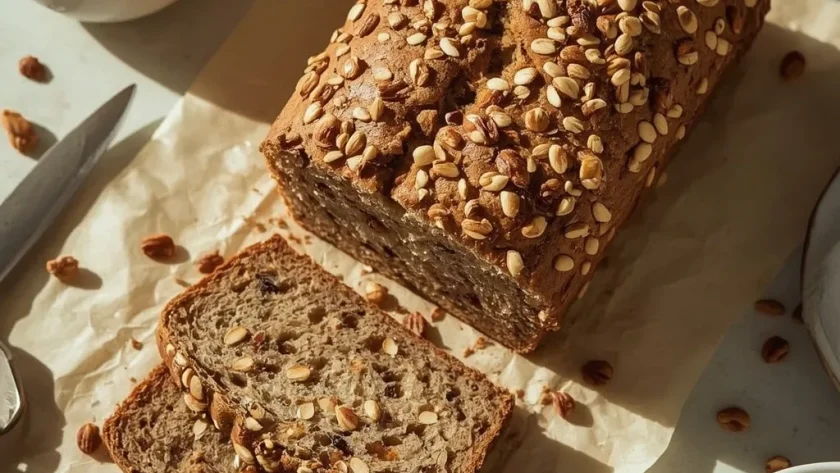
 The Mary Berry Seeded Nut Loaf is a classic British tea-time bread that combines crunchy nuts and seeds with a tender, moist crumb. Made with walnuts, almonds, sunflower seeds, and pumpkin seeds, this quick bread delivers rich nutty flavor in every slice without requiring any yeast or complicated techniques.
This recipe takes about 65 minutes from start to finish and is beginner-friendly, though getting the mixing technique right matters. The one step that trips people up is folding the batter just enough without overworking it — too much mixing creates a tough loaf, but do it gently and you will get perfect results every time.
What is Mary Berry Seeded Nut Loaf?
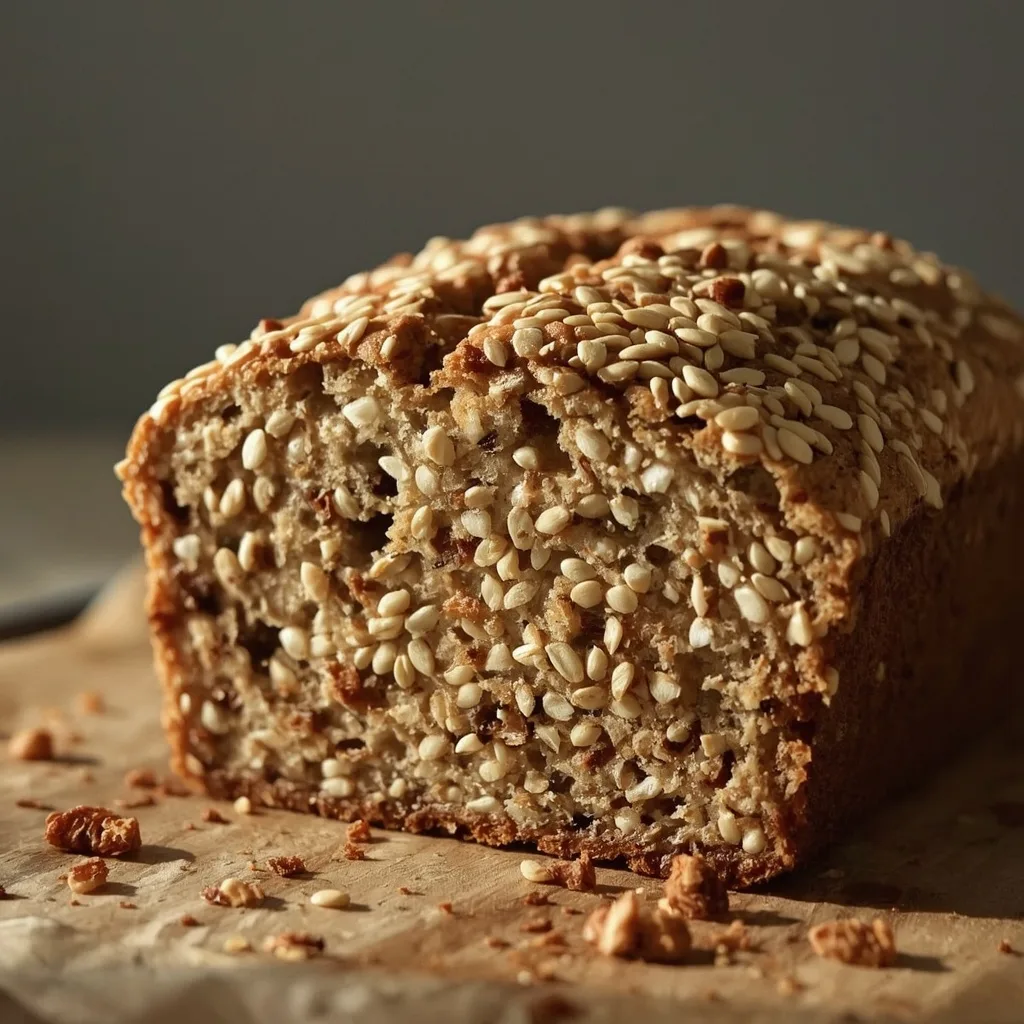
This is a no-yeast quick bread made with all-purpose flour, brown sugar, eggs, milk, vegetable oil, and a generous mix of chopped nuts and seeds. It bakes up with a deep golden crust and a soft, tender interior that holds together beautifully when sliced. The combination of walnuts, almonds, sunflower seeds, and pumpkin seeds gives every bite a satisfying crunch and nutty warmth. It is the kind of loaf you reach for with butter and a cup of tea on a quiet afternoon.
Why This Recipe is Worth Trying
- Simple method — No yeast, no kneading, no proving. Just mix, fold, and bake in under an hour.
- Versatile throughout the day — Works for breakfast with butter, afternoon tea with jam, or even as a light dessert with honey drizzled on top.
- Nutrient-packed ingredients — Seeds and nuts add protein, healthy fats, and fiber that transform a simple loaf into something more substantial.
- Freezer-friendly — Bake one now, wrap it well, and pull out slices whenever you need a quick snack or hostess gift.
Essential Ingredients to Make Mary Berry Seeded Nut Loaf
Here is everything you need and why each ingredient matters for the best texture and flavor.
Dry Ingredients
- 2 cups all-purpose flour — Provides structure and the tender crumb this loaf is known for. Standard plain flour works perfectly; no need for bread flour here.
- 1 teaspoon baking powder — Works alongside the baking soda to give the loaf its rise. Make sure it is fresh or the loaf will turn out dense.
- 1/2 teaspoon baking soda — Reacts with the acidity in the brown sugar and milk to create lift and a golden crust.
- 1/2 teaspoon kosher salt — Balances the sweetness and enhances the nutty flavors throughout the loaf.
- 1/2 cup light brown sugar, packed — Adds sweetness with a hint of molasses flavor that complements the nuts and seeds beautifully.
Wet Ingredients
- 1/2 cup vegetable oil (or melted unsalted butter) — Keeps the loaf moist and tender. Melted butter adds richer flavor while oil gives a lighter texture.
- 2 large eggs, room temperature — Bind the batter and add structure. Room temperature eggs blend more smoothly into the wet mixture.
- 1 cup whole milk (or buttermilk), room temperature — Provides moisture and helps activate the leaveners. Buttermilk adds extra tenderness and a subtle tang.
- 1 teaspoon vanilla extract — Rounds out the flavors without overpowering the nuts and seeds.
Mix-Ins
- 1 cup mixed nuts (walnuts and almonds), roughly chopped — Walnuts bring earthy bitterness while almonds add crunch. Chop them to roughly pea-size pieces so they distribute evenly.
- 1/2 cup mixed seeds (sunflower, pumpkin, and sesame seeds) — Sunflower and pumpkin seeds add texture and nuttiness, while sesame seeds contribute a subtle toastiness. Reserve 1 tablespoon for the topping.
Handy Kitchen Tools for Best Results
- 9×5-inch loaf pan — The standard size for this recipe. Using a different size will change the baking time and thickness of the loaf.
- Parchment paper — Lining the pan with a 2-inch overhang on the long sides makes lifting the loaf out cleanly after baking a breeze.
- Large mixing bowls — You need two bowls, one for dry ingredients and one for wet, so you can combine them properly without overcrowding.
- Rubber spatula — Essential for folding the batter gently without overmixing. A wooden spoon works in a pinch but the spatula gives better control.
- Wooden skewer or toothpick — The best tool for checking doneness. Insert it into the center and look for clean crumbs with no wet batter.
Step-by-Step Guide to Making Mary Berry Seeded Nut Loaf
Follow these steps exactly as written, and you will get a perfectly baked loaf with a tender crumb and crunchy top.
- Preheat and prepare the pan — Set the oven to 350°F (177°C) with a rack in the center. Grease a 9×5-inch loaf pan with butter or nonstick spray, then line it with parchment paper leaving a 2-inch overhang on the long sides for easy removal.
- Whisk the dry ingredients — In a large mixing bowl, whisk together the flour, baking powder, baking soda, and salt until evenly combined. This step ensures the leaveners are distributed throughout so the loaf rises evenly without bitter pockets.
- Mix the wet ingredients — In a separate medium bowl, whisk the brown sugar and vegetable oil until smooth and no lumps remain. Crack in the eggs one at a time, whisking vigorously after each until the mixture looks thick and glossy.
- Add milk and vanilla — Pour in the whole milk and vanilla extract, then whisk until just combined. A few streaks are fine here since they will blend with the dry mixture shortly.
- Combine wet and dry — Pour the wet mixture into the dry ingredients and fold gently with a rubber spatula using a cutting and turning motion. Stop when no streaks of flour remain, about 15 strokes, to avoid developing gluten which toughens the loaf.
- Fold in nuts and seeds — Add the chopped nuts and all but 1 tablespoon of the seeds directly to the batter. Fold with just 5-6 turns so they distribute evenly without overworking the batter.
- Fill the pan and top with seeds — Scrape the batter into the prepared pan and spread it into an even layer. Sprinkle the reserved tablespoon of seeds over the top for a decorative, crunchy crust.
- Bake and check for doneness — Bake on the center rack for 45 to 50 minutes until the top is deep golden brown and a wooden skewer inserted into the center comes out clean. If the loaf browns too quickly after 30 minutes, tent it loosely with foil.
- Cool completely before slicing — Let the loaf cool in the pan on a wire rack for 10 minutes. Then lift the parchment overhang to transfer it to the rack and cool completely, at least 1 hour, before slicing. Slicing while warm causes the loaf to crumble.
What I Got Wrong (And How I Fixed It)
- Overmixing the batter — I stirred too vigorously and ended up with a dense, tough loaf. The fix is to fold gently with a rubber spatula using only 15 strokes for the flour and 5-6 more after adding the nuts and seeds.
- Skipping the room temperature eggs and milk — Cold ingredients caused the batter to seize up and bake unevenly. Now I always set the eggs and milk out 30 minutes before starting, or warm the milk slightly in the microwave.
- Chopping nuts too finely — When I chopped the walnuts and almonds into tiny pieces, they disappeared into the batter and provided no crunch. Keep them roughly pea-sized so every slice has visible nut pieces.
- Forgetting to tent with foil — The top got too dark by minute 35 while the center was still raw. Now I check at 30 minutes and lay a piece of foil loosely over the top if needed.
- Slicing too early — I cut into the loaf after only 20 minutes of cooling and ended up with a crumbly mess. Waiting the full hour lets the structure set so you get clean, intact slices.
Healthier Version of Mary Berry Seeded Nut Loaf
- Swap whole wheat flour for half the all-purpose flour — Using 1 cup whole wheat flour and 1 cup all-purpose flour adds more fiber and nutrients while keeping the loaf tender enough to enjoy.
- Replace vegetable oil with unsweetened applesauce — Substituting half the oil with applesauce cuts a significant amount of fat and calories while keeping the loaf moist and tender.
- Reduce the brown sugar to 1/3 cup — Cutting the sugar by a third still leaves enough sweetness for a pleasant flavor, especially with the natural sweetness from the nuts and seeds.
- Use low-fat milk instead of whole milk — This simple swap reduces saturated fat without noticeably changing the texture or flavor of the finished loaf.
- Add an extra tablespoon of seeds — Boosting the seed content increases fiber, protein, and healthy fats, making the loaf more satisfying and nutrient-dense.
Ingredient Substitutions for Mary Berry Seeded Nut Loaf
- 2 cups all-purpose flour → 2 cups whole spelt flour — Spelt flour has a mild nutty flavor that complements the seeds and nuts, and it works as a direct swap without changing the liquid amounts.
- 1/2 cup vegetable oil → 1/2 cup melted coconut oil — Coconut oil adds a subtle sweetness and works well in British baking. Use refined coconut oil if you prefer no coconut flavor.
- 1 cup whole milk → 1 cup unsweetened almond milk — Almond milk keeps the loaf dairy-free and adds a faint nutty note that fits the flavor profile. No other adjustments needed.
- 1 cup mixed nuts → 1 cup chopped pecans and hazelnuts — Pecans bring buttery sweetness while hazelnuts add a rich, toasted flavor. Toast the hazelnuts briefly before chopping for extra depth.
- 1/2 cup mixed seeds → 1/2 cup flax seeds, chia seeds, and hemp seeds — This swap boosts omega-3 fatty acids and fiber. Soak the chia seeds in a tablespoon of water for 5 minutes before adding to prevent them from absorbing too much moisture from the batter.
- 2 large eggs → 2 flax eggs (2 tablespoons ground flaxseed + 6 tablespoons water) — For a vegan version, mix ground flaxseed with water and let it sit for 5 minutes until gelatinous. This replacement binds the batter well but produces a slightly denser loaf.
Pairing Ideas: What to Serve With Mary Berry Seeded Nut Loaf
This loaf is lovely on its own, but the right pairing can turn it into a proper snack or light meal.
- Salt-cultured butter — A generous spread of good salted butter brings out the nutty notes in the loaf and adds creamy richness that balances the crunchy texture.
- Fruit preserves like apricot or fig jam — The sweetness and slight tartness of stone fruit or fig jam cuts through the richness and adds a bright contrast to the earthy seeds.
- Aged cheddar cheese — Sharp, crumbly cheddar pairs surprisingly well with the nutty loaf. Serve thin slices of cheese alongside thick slices of the bread for a savory snack.
- Warm honey or maple syrup drizzle — Heating honey or maple syrup slightly and drizzling it over the loaf turns it into a simple dessert that feels special without much effort.
- Apple slices or pear wedges — Fresh, crisp fruit adds a refreshing element and a textural contrast that complements the dense, nutty loaf.
- Afternoon tea with Earl Grey or chamomile — A warm cup of Earl Grey with its bergamot notes or a floral chamomile rounds out the experience and makes this feel like a proper British teatime treat.
Expert Tips to Make Perfect Mary Berry Seeded Nut Loaf
- Measure your flour correctly — Spoon the flour into your measuring cup and level it off with a knife. Scooping directly with the cup packs the flour and leads to a dry, dense loaf.
- Toast the nuts briefly before adding — Spread the chopped nuts on a baking sheet and toast at 350°F for 5 minutes. This deepens their flavor and adds a warmth that raw nuts simply cannot match.
- Reserve 1 tablespoon of seeds for the top — Sprinkling seeds on top before baking creates an attractive, crunchy crust that contrasts nicely with the soft interior. Do not skip this step.
- Use parchment overhang for easy removal — Leaving 2 inches of parchment hanging over the long sides of the pan lets you lift the loaf out cleanly without flipping or scraping.
- Check doneness with a skewer, not your eyes — The top can look golden brown while the center is still raw. Always insert a wooden skewer into the center and look for clean crumbs or a few moist crumbs, not wet batter.
- Cool the loaf completely before storing — Any residual warmth trapped in a storage container creates condensation that makes the crust soggy. Let the loaf cool fully, at least 1 hour, before wrapping it up.
- Slice with a serrated knife using gentle sawing motion — A serrated knife cuts through the crust without squishing the tender interior. Saw gently back and forth rather than pressing down hard.
Creative Ways to Customize Mary Berry Seeded Nut Loaf
- Dried fruit version — Fold in 1/2 cup chopped dried apricots, cranberries, or raisins along with the nuts and seeds. The chewy fruit adds sweetness and a different texture that works beautifully.
- Cinnamon-spiced loaf — Add 1 teaspoon of ground cinnamon and 1/4 teaspoon of ground nutmeg to the dry ingredients. The warm spices complement the nuts and make the loaf feel cozier for autumn.
- Chocolate chip twist — Stir in 1/3 cup dark chocolate chips along with the nuts and seeds. The melted pockets of chocolate add richness and a touch of indulgence without overwhelming the nutty base.
- Savory herb version — Reduce the brown sugar to 1/4 cup and add 1 tablespoon of fresh rosemary or thyme leaves, plus 1/2 teaspoon of black pepper. This creates a savory loaf perfect for serving with cheese or soup.
- Coconut and lime variation — Replace 1/4 cup of the nuts with unsweetened shredded coconut and add the zest of 1 lime to the wet ingredients. The citrus and coconut give the loaf a bright, tropical twist.
- Maple pecan version — Replace the brown sugar with 1/3 cup maple syrup and use pecans instead of walnuts. Reduce the milk by 2 tablespoons to account for the extra liquid from the syrup. The maple flavor pairs beautifully with the pecans.
Storing Mary Berry Seeded Nut Loaf the Right Way
- Room temperature storage — Place the cooled loaf in an airtight container or wrap it tightly in plastic wrap. It stays fresh at room temperature for up to 4 days without losing moisture.
- Refrigerator storage — While not ideal, you can store the loaf in the fridge for up to 1 week if your kitchen is warm. Wrap it in plastic wrap then foil to prevent it from drying out or absorbing fridge odors.
- Freezing whole loaf — Wrap the completely cooled loaf tightly in plastic wrap, then a layer of foil, and freeze for up to 3 months. Thaw overnight in the refrigerator before serving.
- Freezing individual slices — Slice the loaf first, wrap each slice in plastic wrap, and place them in a freezer bag. This way you can pull out single portions as needed without thawing the entire loaf.
How to Reheat Mary Berry Seeded Nut Loaf (If Needed)
- Toaster method — Pop slices into a toaster on medium setting for 1-2 minutes. This restores the crisp edges and warms the interior without drying it out. Best for frozen or day-old slices.
- Oven method — Place slices on a baking sheet and warm in a 300°F (150°C) oven for 5 minutes. This method works well for multiple slices and gives you evenly reheated bread with a slightly crisp crust.
- Microwave method — Wrap a single slice in a damp paper towel and microwave on medium power for 15-20 seconds. This softens the loaf but does not restore any crunch, so only use it if you want a very tender texture.
- Air fryer method — Set the air fryer to 300°F (150°C) and warm slices for 3-4 minutes. The circulating air crisps the exterior while keeping the inside soft, making this an excellent option for frozen slices.
Nutritional Breakdown (per serving)
Based on 1 serving = 1 slice out of 8 total slices from the loaf.
- Calories: 929
- Protein: 23g
- Fat: 71g
- Saturated Fat: around 9g
- Carbohydrates: 82g
- Fiber: about 3g
- Sugar: about 26g
- Sodium: 564mg
- Cholesterol: roughly 93mg
FAQs
Can I freeze Mary Berry Seeded Nut Loaf?
Yes, absolutely. Wrap the cooled loaf tightly in plastic wrap then foil and freeze for up to 3 months. Thaw overnight in the refrigerator and warm slices in a toaster or oven before serving.
How long does Mary Berry Seeded Nut Loaf last at room temperature?
Stored in an airtight container at room temperature, the loaf stays fresh for up to 4 days. Keep it away from direct sunlight and heat sources to prevent it from drying out.
Can I make this loaf gluten-free?
Yes, you can substitute the all-purpose flour with a 1:1 gluten-free baking blend. Look for one that contains xanthan gum, which helps provide structure. The texture will be slightly more delicate, so handle the batter gently.
Why did my loaf turn out dense and heavy?
Overmixing is the most common cause. Folding the batter too many strokes develops gluten, which makes the loaf tough and dense. Stop mixing as soon as no streaks of flour remain, around 15 strokes.
Can I use only one type of nut or seed?
Certainly. If you only have walnuts or only sunflower seeds, use the same total amount. The loaf will still taste great, though you will lose some of the textural variety that different nuts and seeds provide.
Is buttermilk better than whole milk in this recipe?
Buttermilk adds extra tenderness and a subtle tang that complements the nuts and seeds nicely. If using buttermilk, reduce the baking powder to 3/4 teaspoon since the acidity reacts more strongly with the baking soda. Whole milk works perfectly well too.
Try These Recipes
Wrapping It Up
The Mary Berry Seeded Nut Loaf is one of those recipes that delivers maximum flavor with minimal effort. A tender crumb, crunchy nut and seed topping, and a versatility that works for breakfast, tea time, or a light dessert. Give this loaf a try, and do not forget the butter.
PrintMary Berry Seeded Nut Loaf
A classic British tea-time loaf packed with a medley of seeds and nuts for crunch and nutty flavor. Moist and tender, this quick bread is perfect sliced and buttered for breakfast or an afternoon snack.
- Prep Time: 15
- Cook Time: 50
- Total Time: 65
- Yield: 4 1x
- Category: Bread
- Method: Baking
- Cuisine: British
Ingredients
- 2 cups all-purpose flour
- 1 teaspoon baking powder
- 1/2 teaspoon baking soda
- 1/2 teaspoon kosher salt
- 1/2 cup light brown sugar, packed
- 1/2 cup vegetable oil (or melted unsalted butter)
- 2 large eggs, room temperature
- 1 cup whole milk (or buttermilk), room temperature
- 1 teaspoon vanilla extract
- 1 cup mixed nuts (walnuts and almonds), roughly chopped
- 1/2 cup mixed seeds (sunflower, pumpkin, and sesame seeds)
Instructions
- Preheat the oven to 350°F (177°C) with a rack in the center. Grease a 9×5-inch loaf pan with butter or nonstick spray, then line with parchment paper leaving a 2-inch overhang on the long sides for easy removal.
- In a large mixing bowl, whisk together the all-purpose flour, baking powder, baking soda, and kosher salt until evenly combined. This ensures the leaveners are distributed throughout the dry ingredients so the loaf rises evenly without bitter pockets.
- In a separate medium bowl, whisk the light brown sugar and vegetable oil until smooth and no lumps remain. Crack in the eggs one at a time, whisking vigorously after each until fully incorporated — the mixture should look thick and glossy.
- Add the whole milk and vanilla extract to the wet ingredients and whisk until just combined. Do not overmix at this stage; a few streaks are fine as they will be blended with the dry mixture.
- Pour the wet mixture into the dry ingredients and fold gently with a rubber spatula using a cutting and turning motion. Stop when no streaks of flour remain — about 15 strokes — to avoid developing gluten which would make the loaf tough.
- Add the chopped mixed nuts and all the seeds directly to the batter. Fold in with just 5-6 turns so they are evenly distributed without overworking the batter. Reserve 1 tablespoon of the seed mix to sprinkle on top later.
- Scrape the batter into the prepared loaf pan and spread it into an even layer with the spatula. Sprinkle the reserved seed mixture evenly over the top for a decorative, crunchy crust.
- Bake on the center rack for 45 to 50 minutes, until the top is deep golden brown and a wooden skewer inserted into the center comes out clean with no wet crumbs. If the loaf browns too quickly after 30 minutes, tent loosely with foil.
- Let the loaf cool in the pan on a wire rack for 10 minutes. Then lift the parchment overhang to transfer the loaf to the rack and cool completely — at least 1 hour — before slicing. Slicing while warm will cause the loaf to crumble.
- Slice into 4 thick pieces (or 8 thinner slices) and serve with butter or jam. Store leftovers in an airtight container at room temperature for up to 4 days, or freeze tightly wrapped for up to 3 months.
Notes
Storage: Keep in an airtight container at room temperature for up to 4 days. Freezing: Wrap the cooled loaf tightly in plastic wrap then foil; freeze for up to 3 months. Thaw overnight in the refrigerator. Reheating: Warm slices in a toaster or in a 300°F (150°C) oven for 5 minutes to restore crisp edges.
Nutrition
- Calories: 929
- Sugar: 26g
- Sodium: 564mg
- Unsaturated Fat: 6g
- Carbohydrates: 82g
- Fiber: 3g
- Protein: 23g
- Cholesterol: 99mg
Keywords: mary berry seeded nut loaf, seeded nut loaf, British tea bread, nut and seed loaf, quick bread, breakfast loaf, easy loaf recipe, walnut almond seed bread, homemade bread, snack loaf, moist nut bread