 Ekani Ella
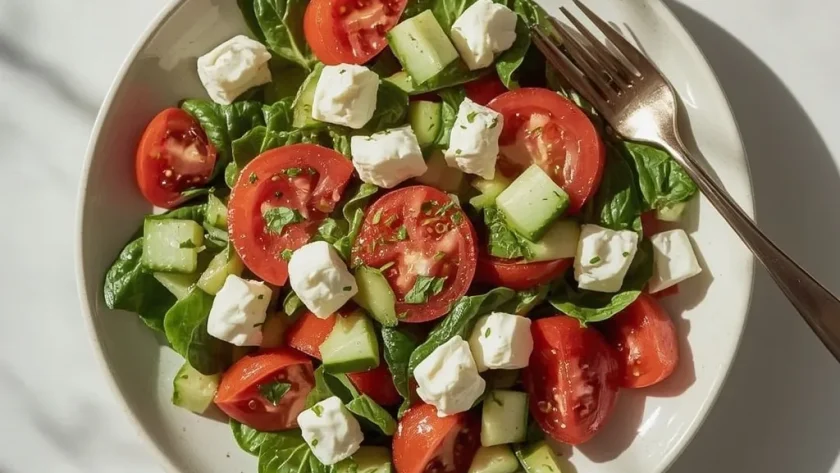
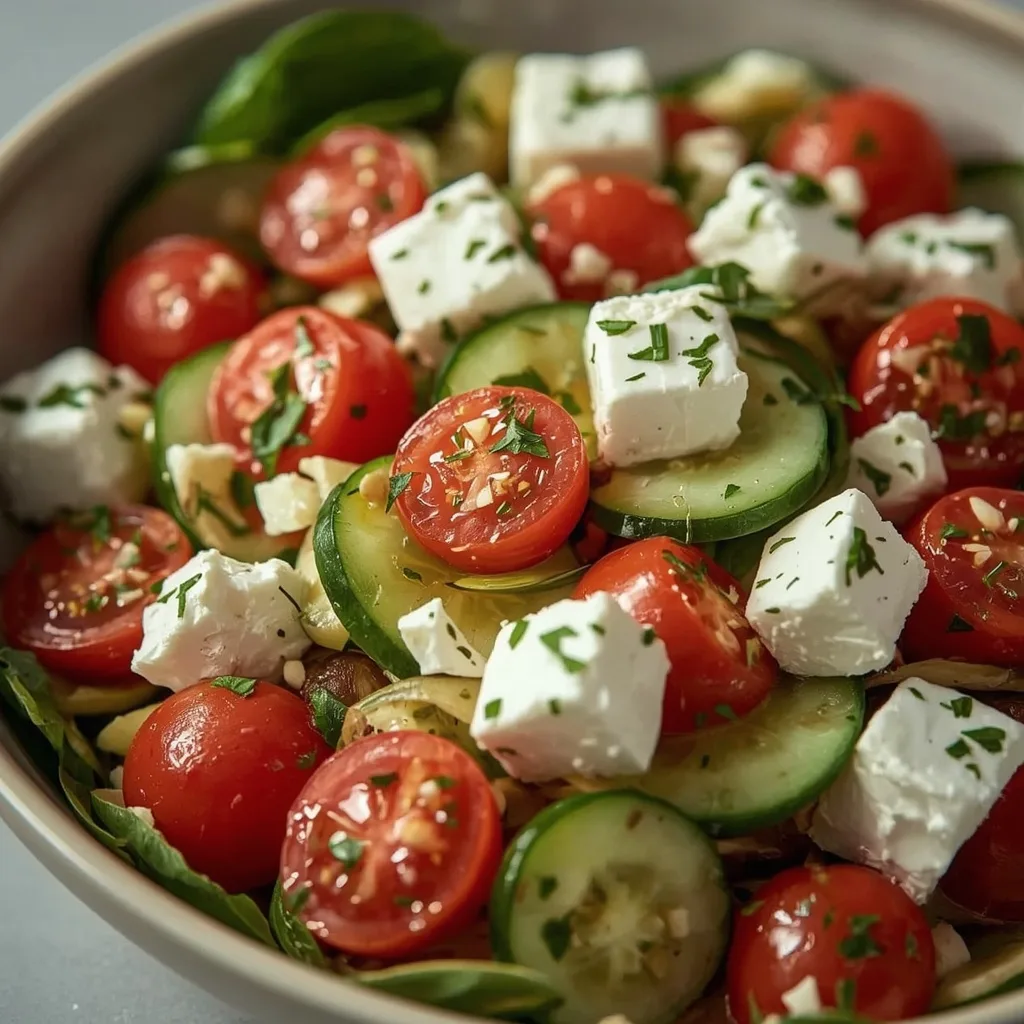
 Mary Berry Greek Salad is a vibrant, no-cook side dish that brings together juicy ripe tomatoes, crisp cucumber, and creamy feta in a tangy oregano vinaigrette. It is a straightforward Mediterranean salad that balances salty, tangy, and fresh flavours with minimal effort.
This recipe takes just 20 minutes to prepare and is perfect for beginners. The only slightly tricky step is soaking the red onion to mellow its sharp bite, but it is simple to do and makes a big difference.
What is Mary Berry Greek Salad?
This is a classic Greek salad assembled with a few high-quality ingredients and a simple vinaigrette. Think ripe tomato wedges, cucumber half-moons, bell pepper strips, Kalamata olives, and blocks of feta cheese, all tossed in a dressing of extra-virgin olive oil, red wine vinegar, and dried oregano. The texture is crisp and refreshing, while the flavour is tangy, salty, and herbaceous. It is an ideal side dish for grilled meats or a light summer meal on its own.
Why This Recipe is Worth Trying
- No cooking required — Everything comes together in 20 minutes with just a knife and a bowl, making it perfect for hot days or last-minute meals.
- Bold, authentic flavour — The combination of ripe tomatoes, creamy feta, and tangy oregano dressing delivers a punch of Mediterranean taste without any complicated techniques.
- Versatile serving options — It works as a side dish for barbecued chicken or fish, or as a light lunch with crusty bread and a drizzle of extra olive oil.
- Simple ingredient list — You only need 11 ingredients, most of which are pantry staples or easy to find at any grocery store.
Essential Ingredients to Make Mary Berry Greek Salad
Here is what you need to build this salad, organised by category.
Vegetables
- 4 large ripe tomatoes (about 2 lb / 900 g) — Choose tomatoes that are firm but juicy, with deep red colour, for the best flavour. Cut them into 1-inch wedges.
- 1 large English cucumber (about 10 oz / 280 g) — English cucumbers have fewer seeds and thinner skin, so peeling is optional. Halve lengthwise, seed, and cut into 1/2-inch half-moons.
- 1 medium red onion (about 6 oz / 170 g) — Thinly slice into rings. Soaking them in cold water for 10 minutes removes the harsh bite without compromising crunch.
- 1 medium green bell pepper (about 6 oz / 170 g) — Core, seed, and cut into 1/2-inch strips. The mild sweetness balances the tangy dressing.
Cheese and Olives
- 7 oz (200 g) block feta cheese — Always buy a block, not pre-crumbled, for the creamiest texture. Cut into 1/2-inch cubes or crumble as you prefer.
- 1/2 cup (70 g) Kalamata olives — Pitted and halved. Their briny, fruity depth is essential for an authentic Greek salad.
Dressing
- 1/4 cup (60 ml) extra-virgin olive oil — Use a good-quality oil; it is the backbone of the dressing. Plus more for drizzling at the end.
- 2 tablespoons (30 ml) red wine vinegar — Its bright acidity cuts through the richness of the feta and olive oil.
- 1 teaspoon dried oregano — The signature herb of Greek cuisine. Rub it between your palms before adding to release the oils.
- 1/2 teaspoon kosher salt — Fine sea salt works too. Adjust to taste, especially if your feta is very salty.
- 1/4 teaspoon freshly ground black pepper — Fresh grinding makes a noticeable difference in aroma.
Handy Kitchen Tools for Best Results
- Large serving bowl — Use a wide, shallow bowl so the vegetables sit in a single layer, making it easier to coat them evenly with dressing.
- Sharp chef’s knife — A good knife ensures clean cuts through tomatoes and feta without crushing them. A serrated knife works well for tomatoes too.
- Small bowl or measuring cup — For whisking the dressing. A mason jar with a lid works even better — just shake to emulsify.
- Cutting board — A large, stable board gives you room to slice all the vegetables without crowding. Wash it between cutting vegetables and feta if you prefer less mess.
- Salad servers or tongs — Gentle tossing is key to avoid damaging the feta cubes. Wide wooden or silicone spoons are ideal.
Step-by-Step Guide to Making Mary Berry Greek Salad
Follow these steps in order, and you will have a perfectly balanced salad every time.
- Soak the onion — Place the sliced red onion in a small bowl and cover with cold water. Let soak for 10 minutes to mellow the sharp bite; drain well just before adding to the salad.
- Combine the vegetables — In a large serving bowl, combine the tomato wedges, cucumber half-moons, bell pepper strips, and drained red onion rings. Toss gently to mix them evenly.
- Make the dressing — In a small bowl or measuring cup, whisk together the extra-virgin olive oil, red wine vinegar, dried oregano, kosher salt, and black pepper until emulsified. Taste and adjust seasoning if needed.
- Dress the salad — Pour the dressing over the mixed vegetables and toss gently but thoroughly, ensuring every piece is lightly coated. Let the salad rest for 5 minutes so the flavours meld.
- Add the toppings — Scatter the Kalamata olives and feta cubes over the dressed vegetables. Do not toss after adding the feta to avoid crumbling it too much.
- Finish and serve — Finish with a light drizzle of extra-virgin olive oil and a final pinch of dried oregano on top for garnish. Serve immediately at room temperature.
- Prepare ahead — If preparing ahead, keep the vegetables, dressing, feta, and olives separate. Combine and dress just before serving to maintain the crisp texture of the vegetables.
What I Got Wrong (And How I Fixed It)
- Using pre-crumbled feta — The first time, I used pre-crumbled feta, which turned into a salty, crumbly mess when tossed. Now I always buy a block and cube it by hand for creamy, intact pieces.
- Skipping the onion soak — Raw red onion can overpower the entire salad. A 10-minute soak in cold water makes it mild and sweet without losing its crunch.
- Dressing the salad too early — I once dressed the salad an hour before serving, and the vegetables released so much liquid it turned soupy. Dress it just 5 minutes before serving for the best texture.
- Forgetting to seed the cucumber — English cucumbers are less seedy than standard ones, but removing the seeds still prevents the salad from becoming watery. Halve lengthwise and scrape out the seeds with a spoon.
- Over-tossing after adding feta — Vigorous tossing after adding the feta breaks it into tiny pieces. Scatter the feta on top and leave it; the flavour still blends without mixing.
Healthier Version of Mary Berry Greek Salad
- Reduce the olive oil — Use 2 tablespoons (30 ml) of extra-virgin olive oil instead of 1/4 cup (60 ml). The salad stays flavourful but cuts nearly 120 calories per serving.
- Swap feta for reduced-fat feta — Many brands offer a light feta with about 30% less fat. It still crumbles beautifully and tastes nearly identical.
- Add more vegetables — Bulk up the salad with extra cucumber, bell pepper, or even cherry tomatoes. More volume means fewer calories per bite without sacrificing texture.
- Use less salt — Kalamata olives and feta are already salty. You can omit the kosher salt entirely and still have a well-seasoned salad. Taste the dressing first before adding salt.
- Serve with a side of protein — Turn it into a complete meal by adding grilled chicken or chickpeas. The extra protein makes it more satisfying and balances the carbohydrate content.
Ingredient Substitutions for Mary Berry Greek Salad
- Kalamata olives (1/2 cup / 70 g) → Castelvetrano olives (1/2 cup / 70 g) — Castelvetranos are milder and buttery, so they work well if you find Kalamatas too intense. No adjustment needed.
- Red wine vinegar (2 tablespoons / 30 ml) → Lemon juice (2 tablespoons / 30 ml) — Fresh lemon juice adds a brighter, more citrusy tang that still complements oregano. Use the same quantity.
- English cucumber (10 oz / 280 g) → Regular cucumber (10 oz / 280 g) — Peel the regular cucumber first and remove the seeds to avoid excess water. The texture will be similar.
- Feta cheese (7 oz / 200 g) → Halloumi (7 oz / 200 g) — Halloumi is firmer and saltier, plus it holds its shape when grilled. Cut into cubes and pan-fry until golden before adding. Do not skip the soak step for the onion.
- Green bell pepper (6 oz / 170 g) → Orange or yellow bell pepper (6 oz / 170 g) — These are sweeter and slightly fruitier, which adds a nice colour contrast. Same preparation method.
- Dried oregano (1 teaspoon) → Fresh oregano (1 tablespoon) — Fresh oregano has a more delicate flavour. Sprinkle it over the finished salad just before serving for the best effect.
Pairing Ideas: What to Serve With Mary Berry Greek Salad
This salad is a versatile side that complements many main dishes.
- Grilled lamb chops — The tangy vinaigrette and salty feta cut through the richness of the lamb beautifully. Serve with warm pita bread on the side.
- Lemon-herb chicken — Roasted or grilled chicken seasoned with lemon and oregano echoes the salad’s dressing, creating a cohesive Mediterranean plate.
- Flaky white fish — Baked cod or sea bass pairs well with the crisp vegetables and creamy feta. The salad adds freshness without overwhelming the delicate fish.
- Crusty sourdough bread — Use the bread to soak up any remaining dressing and juices from the bowl. It is a simple addition that turns the salad into a light lunch.
- Grilled eggplant or zucchini — For a vegetarian pairing, charred Mediterranean vegetables add smoky depth that contrasts with the cool, crunchy salad.
Expert Tips to Make Perfect Mary Berry Greek Salad
- Soak the onion in cold water for 10 minutes — This step mellows the sharpness without softening the onion. Drain well and pat dry before adding to the bowl.
- Let the salad rest for 5 minutes after dressing — That short resting time allows the flavours to meld without making the vegetables soggy. Set a timer to avoid forgetting.
- Cut feta into cubes, not crumbles — Cubes stay intact and provide creamy pops of flavour. Crumbles disperse quickly and can make the salad look messy.
- Taste the dressing before pouring it over — Adjust salt, vinegar, or oregano at this stage. Once it is on the vegetables, you cannot fix it without over-tossing.
- Use vegetables at room temperature — Cold vegetables dull the flavours. Remove them from the fridge 15-20 minutes before assembling for the best taste.
- Add olives and feta after dressing — Tossing the vegetables with dressing first ensures they are coated evenly. Adding the toppings last keeps them intact and visually appealing.
- Serve on a wide, shallow platter — A spread-out presentation prevents the feta and olives from sinking to the bottom. It also looks more inviting on the table.
Creative Ways to Customize Mary Berry Greek Salad
- Add chickpeas for protein — Toss in a 15-ounce can of drained, rinsed chickpeas. They absorb the dressing well and make the salad a filling main course.
- Include fresh mint — Sprinkle a handful of chopped fresh mint over the finished salad. It adds a cool, slightly sweet note that brightens the oregano.
- Use cherry tomatoes instead of wedges — Halved cherry or grape tomatoes give you more surface area for the dressing and a sweeter, less watery bite. Use about 2 cups.
- Add a handful of arugula — Peppery arugula leaves introduce a new layer of flavour. Toss them with the vegetables before adding the feta for even distribution.
- Try a different vinegar — Substitute the red wine vinegar with balsamic or white wine vinegar. Balsamic adds sweetness, while white wine vinegar is even milder.
- Make it spicy — Add a pinch of red pepper flakes to the dressing or scatter a few sliced pickled jalapeños on top. The heat contrasts nicely with the cool cucumber.
Storing Mary Berry Greek Salad the Right Way
- Store components separately — Keep the vegetables, dressing, feta, and olives in separate airtight containers in the refrigerator. Combine only when ready to serve to maintain crunch.
- Refrigerate leftovers in an airtight container — If you have already dressed the salad, transfer it to a lidded container. It will keep for up to 24 hours, but the vegetables will soften and release liquid.
- Do not freeze — Freezing destroys the crisp texture of the vegetables and turns the feta rubbery. This salad is best enjoyed fresh.
- Bring to room temperature before serving — If you have stored the salad in the fridge, let it sit at room temperature for 10 minutes before serving. Cold temperatures mute the flavours.
- Dress only what you will eat — To avoid waste, portion out the salad for individual servings and dress each one separately. The undressed vegetables stay fresh for two days.
How to Reheat Mary Berry Greek Salad (If Needed)
- Not recommended for the full salad — This is a cold salad; reheating will wilt the vegetables and melt the feta. If you must serve something warm, consider grilling the halloumi or chicken separately.
- Warm the olives and feta briefly (optional) — If you want a warm element, sauté the olives and feta cubes in a dry non-stick pan over medium heat for 30 seconds. Serve them on top of the cold salad for contrast.
Nutritional Breakdown (per serving)
Based on 1 serving out of 4 total.
- Calories: 348
- Protein: 10g
- Fat: 27g
- Saturated Fat: 8g
- Carbohydrates: 19g
- Fiber: 5g
- Sugar: 11g
- Sodium: 969mg
FAQs
Can I make Mary Berry Greek Salad ahead of time?
Yes, but keep the components separate. Store the vegetables, dressing, feta, and olives in separate containers in the fridge. Combine and dress the salad just before serving to keep the vegetables crisp.
Can I freeze Mary Berry Greek Salad?
No. Freezing destroys the texture of the fresh vegetables and makes the feta rubbery and watery after thawing. This salad is best enjoyed fresh.
How long does Mary Berry Greek Salad last in the fridge?
Once dressed, the salad will keep for up to 24 hours in an airtight container in the refrigerator. The vegetables will soften and release liquid, so it is best eaten the day it is made.
What can I use instead of Kalamata olives?
Castelvetrano olives are a good substitute; they are milder and buttery. You can also use black olives, though they are less fruity. Use the same quantity.
Is this salad gluten-free?
Yes, all the ingredients in this Mary Berry Greek Salad are naturally gluten-free. Just double-check that no cross-contamination has occurred with any store-bought items, especially the feta.
Can I use dried oregano from a jar that is old?
It is best to use oregano that is less than six months old for a vibrant flavour. Old oregano tastes dusty. If yours is past its prime, double the amount or substitute with fresh oregano.
Try These Recipes
Wrapping It Up
This Mary Berry Greek Salad is exactly what a side dish should be — fresh, fast, and full of flavour without any complicated steps. The crisp vegetables, creamy feta, and tangy oregano dressing come together in just 20 minutes. I hope you give it a try soon.
PrintMary Berry Greek Salad
A vibrant and refreshing Greek salad inspired by Mary Berry’s approach to classic Mediterranean flavors. Juicy ripe tomatoes, crisp cucumber, and creamy feta are tossed in a tangy oregano vinaigrette for a perfect balance of salty, tangy, and fresh notes.
- Prep Time: 20
- Total Time: 20
- Yield: 4 1x
- Category: Side Dish
- Method: No-Cook
- Cuisine: Greek
Ingredients
- 4 large ripe tomatoes (about 2 lb / 900 g), cut into 1-inch wedges
- 1 large English cucumber (about 10 oz / 280 g), halved lengthwise, seeded, and cut into 1/2-inch half-moons
- 1 medium red onion (about 6 oz / 170 g), thinly sliced into rings
- 1 medium green bell pepper (about 6 oz / 170 g), cored, seeded, and cut into 1/2-inch strips
- 1/2 cup (70 g) Kalamata olives, pitted and halved
- 7 oz (200 g) block feta cheese, drained and cut into 1/2-inch cubes (or crumbled)
- 1/4 cup (60 ml) extra-virgin olive oil, plus more for drizzling
- 2 tablespoons (30 ml) red wine vinegar
- 1 teaspoon dried oregano
- 1/2 teaspoon kosher salt
- 1/4 teaspoon freshly ground black pepper
Instructions
- Place the sliced red onion in a small bowl and cover with cold water. Let soak for 10 minutes to mellow its sharp bite; drain well just before adding to the salad.
- In a large serving bowl, combine the tomato wedges, cucumber half-moons, bell pepper strips, and drained red onion rings. Toss gently to mix the vegetables evenly.
- In a small bowl or measuring cup, whisk together the extra-virgin olive oil, red wine vinegar, dried oregano, kosher salt, and black pepper until emulsified. Taste and adjust seasoning if needed.
- Pour the dressing over the mixed vegetables and toss gently but thoroughly, ensuring every piece is lightly coated. Let the salad rest for 5 minutes so the flavors meld.
- Scatter the Kalamata olives and feta cubes over the dressed vegetables. Do not toss after adding the feta to avoid crumbling it too much.
- Finish with a light drizzle of extra-virgin olive oil and a final pinch of dried oregano on top for garnish. Serve immediately at room temperature.
- If preparing ahead, keep the vegetables, dressing, feta, and olives separate. Combine and dress just before serving to maintain the crisp texture of the vegetables.
Notes
This Greek salad is best enjoyed the day it is made. Leftovers can be stored in an airtight container in the refrigerator for up to 24 hours, but the vegetables will soften and release liquid. Do not freeze. For best results, bring the salad to room temperature for 10 minutes before serving if chilled.
Nutrition
- Calories: 348
- Sugar: 11g
- Sodium: 969mg
- Unsaturated Fat: 9g
- Carbohydrates: 19g
- Fiber: 5g
- Protein: 10g
- Cholesterol: 45mg
Keywords: Greek salad, Mary Berry Greek salad, Horiatiki, Mediterranean salad, fresh tomato salad, feta cheese salad, no-cook recipe, summer side dish, Kalamata olives, cucumber salad