
 Ekani Ella
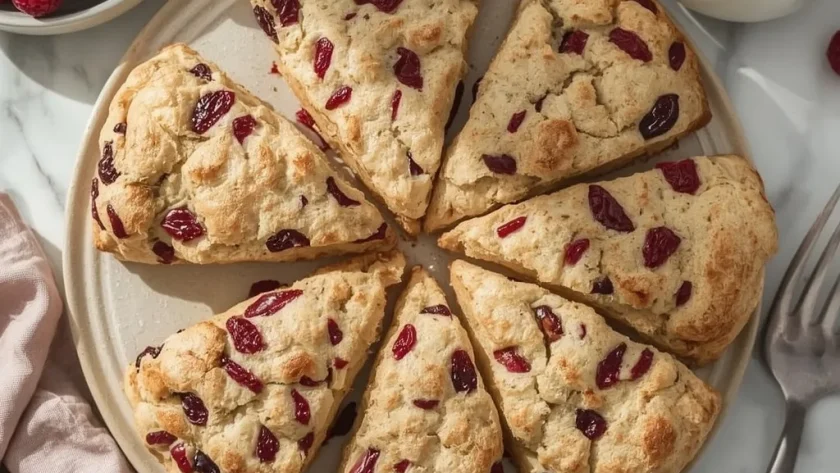
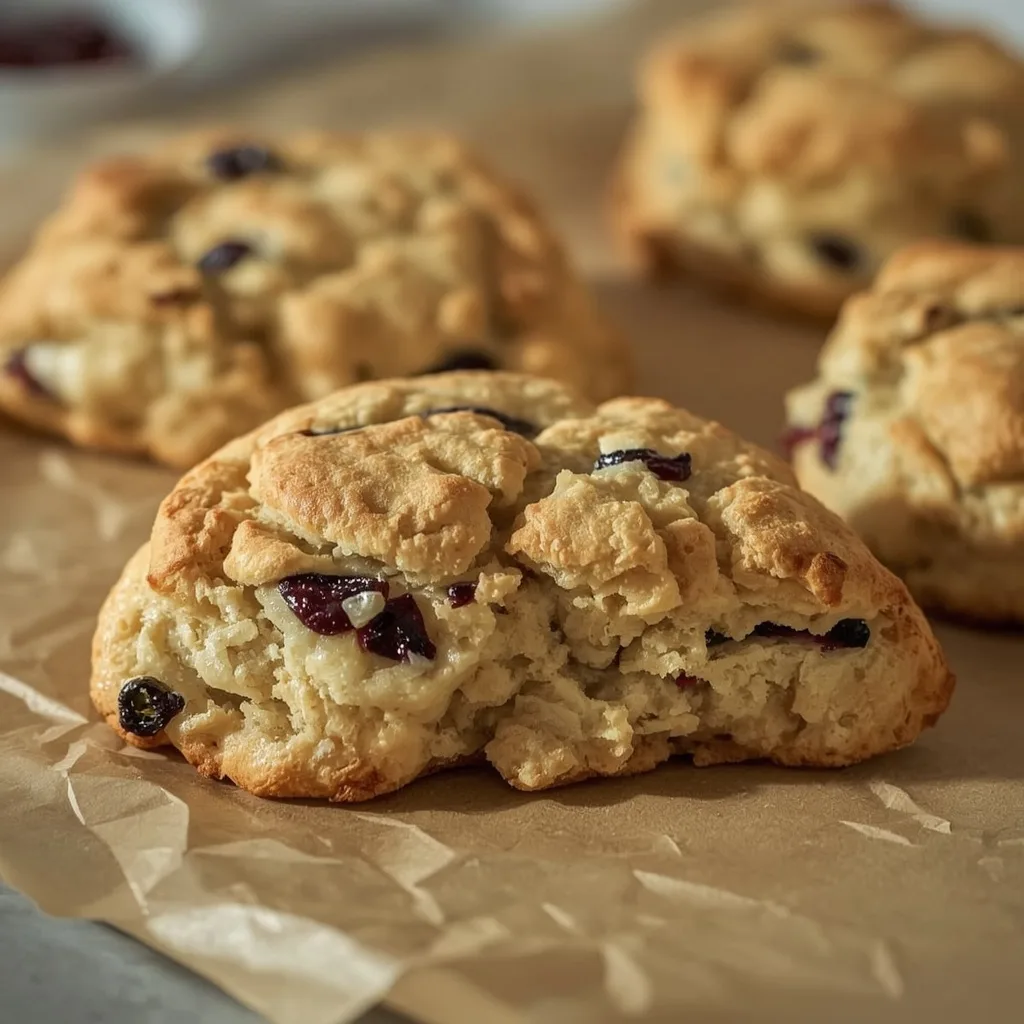
 Mary Berry Fruit Scones are the gold standard of British baking. Light, tender, and packed with sweet dried fruit, they have a golden crust and a soft, fluffy interior that makes them perfect for cream tea or a quick breakfast.
You can have these on the table in about 35 minutes, and the skill level is firmly beginner. The one tricky moment is rubbing cold butter into flour without overworking it, but I will show you exactly how to get it right.
What is Mary Berry Fruit Scones?
Mary Berry Fruit Scones are a classic British teatime treat. You mix self-raising flour (here boosted with extra baking powder), cold butter, sugar, dried fruit, egg, and milk into a soft dough, then cut and bake until risen and golden. The texture is light and crumbly on the outside, tender and airy inside. They are best enjoyed warm, split in half, and loaded with clotted cream and jam.
Why This Recipe is Worth Trying
- Foolproof method — Mary Berry’s technique of rubbing cold butter into flour with your fingertips guarantees a delicate crumb every time.
- Fast from start to finish — Only 20 minutes of prep and 15 minutes of baking, so you can have fresh scones on the table in well under an hour.
- Uses everyday ingredients — Flour, butter, sugar, milk, an egg, and dried fruit are all pantry staples you probably already have.
- Perfect for sharing — Makes four generous scones, ideal for a small family tea or to serve with friends over a cuppa.
Essential Ingredients to Make Mary Berry Fruit Scones
Every ingredient here does a specific job, so choose wisely.
Dry Base
- 1 3/4 cups (210g) all-purpose flour — The structure of the scone. Plain flour works best; avoid self-raising here because we add our own leavening.
- 4 teaspoons baking powder — This gives the scones their dramatic rise. Make sure it is fresh, or the scones will be flat.
- 1/4 teaspoon kosher salt — Balances the sweetness and enhances the flavour of the butter and fruit.
Fat and Sweetener
- 1/3 cup (75g) cold unsalted butter, cut into small cubes — The cold butter creates steam pockets during baking, which makes the scones flaky. Never use soft or melted butter.
- 1/4 cup (50g) granulated sugar — Adds just the right level of sweetness without making the scones cloying.
Fruit and Liquid
- 1/2 cup (80g) mixed dried fruit (currants, sultanas, or raisins) — Use a mix for varied sweetness and texture. Chop any large raisins so they distribute evenly.
- 1 large egg, lightly beaten — Provides richness and helps bind the dough together.
- 1/2 cup (120ml) whole milk, plus extra for brushing — Full‑fat milk gives the tenderest crumb. The extra milk brushed on top creates a glossy golden crust.
Handy Kitchen Tools for Best Results
- Large mixing bowl — Use one big enough to rub the butter into the flour without spilling.
- Pastry blender (or your fingertips) — Fingertips work best for rubbing butter, but a pastry blender is great if your hands run warm.
- Round 2.5‑inch (6cm) cutter — A fluted cutter looks pretty, but a plain one works just as well. Dip it in flour between cuts.
- Baking sheet lined with parchment paper — Prevents sticking and promotes even browning on the bottom.
- Wire cooling rack — Lets air circulate around the scones so they stay crisp, not soggy.
Step-by-Step Guide to Making Mary Berry Fruit Scones
Follow these steps exactly, and you will get perfect scones every time.
- Preheat and prep — Preheat the oven to 425°F (220°C). Line a baking sheet with parchment paper to prevent sticking and ensure even browning.
- Whisk dry ingredients — In a large mixing bowl, whisk together the flour, baking powder, and salt. This ensures the leavening is evenly distributed for a consistent rise.
- Rub in the butter — Add the cold butter cubes to the flour mixture. Use your fingertips to rub the butter into the flour until the mixture resembles fine breadcrumbs with no visible butter pieces. Work quickly to keep the butter cold—this creates flaky layers.
- Add sugar and fruit — Stir in the sugar and dried fruit until evenly dispersed. The fruit should be coated in flour to prevent it from sinking to the bottom during baking.
- Mix the dough — Make a well in the centre of the dry ingredients. Pour in the beaten egg and most of the milk (reserve about 1 tablespoon). Using a round‑bladed knife, mix gently until the dough just comes together. It should be soft and slightly sticky—add the remaining milk if needed. Do not overmix or the scones will be tough.
- Shape and cut — Lightly flour your work surface. Turn the dough out and bring it together with your hands, kneading very gently (no more than 10–15 seconds) until smooth. Pat the dough into a rectangle about 1 inch (2.5cm) thick. Using a floured 2.5‑inch (6cm) round cutter, stamp out scones by pushing straight down without twisting—twisting seals the edges and prevents a good rise. Gather scraps gently, re‑pat, and cut again. You should get 4 large scones.
- Rest and brush — Place the scones on the prepared baking sheet, spacing them about 1 inch apart. Brush the tops with a little extra milk for a glossy, golden finish. For the best height, let them rest for 10 minutes at room temperature before baking.
- Bake — Bake in the centre of the oven for 12–15 minutes, until the scones are well risen and golden brown on top. They should sound hollow when tapped on the bottom. Transfer to a wire rack to cool for at least 10 minutes before serving.
What I Got Wrong (And How I Fixed It)
- Worked the dough too much — Over‑kneading activates gluten and makes scones tough. Now I stop as soon as the dough comes together; 10–15 seconds of gentle kneading is plenty.
- Twisted the cutter — Twisting seals the edges so the scones don’t rise evenly. I always press straight down without any turning.
- Skipped the rest — Baking straight away gave me shorter, denser scones. Letting them sit for 10 minutes relaxes the gluten and allows the baking powder to start working.
- Used warm butter — Soft butter didn’t create steam pockets, so the texture was heavy. Now I keep the butter in the fridge until the last minute.
- Over‑floured the board — Too much extra flour makes the dough dry and crumbly. I dust lightly and only use what I need.
Healthier Version of Mary Berry Fruit Scones
- Replace half the butter with Greek yogurt — Use 2 tablespoons (30g) cold butter plus 3 tablespoons (45g) plain Greek yogurt. The yogurt adds moisture and reduces saturated fat while keeping a tender crumb.
- Swap white flour for whole‑wheat pastry flour — Use equal weight (210g) whole‑wheat pastry flour for extra fibre. The scones will be slightly denser but still light.
- Cut the sugar in half — Reduce sugar to 2 tablespoons (25g). The dried fruit provides natural sweetness, so you won’t miss it much.
- Use low‑fat milk — Swap whole milk for 2% or 1% milk. The difference in texture is minimal, and you save about 30 calories per serving.
Ingredient Substitutions for Mary Berry Fruit Scones
- All‑purpose flour (1 3/4 cups/210g) → gluten‑free 1:1 baking flour — Works well; add 1/2 teaspoon xanthan gum if your blend doesn’t contain it.
- Unsalted butter (1/3 cup/75g) → cold coconut oil or vegan butter — Use solid, cold coconut oil cut into cubes. The flavour changes slightly, but the texture stays flaky.
- Whole milk (1/2 cup/120ml) → oat milk or almond milk — Any unsweetened plant milk works; the scones will be slightly less rich but still tender.
- Mixed dried fruit (1/2 cup/80g) → dried cranberries or chopped dried apricots — Great alternatives. If using apricots, chop them small so they distribute evenly.
- Granulated sugar (1/4 cup/50g) → coconut sugar — Adds a mild caramel note and lowers the glycemic index slightly.
- Large egg → 1 flax egg (1 tbsp ground flax + 3 tbsp water) — Let the mixture sit for 5 minutes until thick. The scones will be a touch denser but still delicious.
Pairing Ideas: What to Serve With Mary Berry Fruit Scones
The right accompaniments turn these scones into a full teatime experience.
- Clotted cream and strawberry jam — The classic Cornish combo. The rich, buttery cream contrasts perfectly with the sweet fruit scones.
- Lemon curd — For a tangy twist, swap jam for homemade or good‑quality lemon curd. The citrus cuts through the richness.
- Fresh berries and whipped cream — A lighter summer option. Pile on raspberries or strawberries and a dollop of softly whipped double cream.
- A pot of Earl Grey tea — The bergamot notes in Earl Grey complement the dried fruit beautifully.
- Hot chocolate or chai latte — For a cosy winter treat, serve scones with a warm spiced drink.
- Butter and honey — Keep it simple: split a still‑warm scone, spread with salted butter, and drizzle with runny honey.
Expert Tips to Make Perfect Mary Berry Fruit Scones
- Keep everything cold — Butter, milk, even the egg – cold ingredients create the steam that lifts the scones. Warm ingredients lead to flat, greasy results.
- Use a knife to mix — A round‑bladed knife cuts through the dough without overworking it. Avoid using a spoon or your hands at this stage.
- Handle the dough as little as possible — The more you touch it, the tougher it gets. Shape it gently and cut straight away.
- Flour the cutter each time — Sticking dough on the cutter drags the edges and ruins the rise. Dip it in flour before every stamp.
- Measure your flour correctly — Spoon it into the cup and level off with a knife. Scooping packs the flour and gives you too much, making dry scones.
- Resting is non‑negotiable — That 10‑minute rest before baking allows the baking powder to activate and the gluten to relax. It makes a visible difference in height.
- Bake in the top third of the oven — This gives the scones a good rise and a golden, not burnt, top.
Creative Ways to Customize Mary Berry Fruit Scones
- Add citrus zest — Stir in the finely grated zest of one lemon or orange along with the sugar. It brightens the flavour and pairs well with the dried fruit.
- Chocolate chip version — Replace the dried fruit with 1/2 cup (80g) mini dark chocolate chips. No need to adjust the liquid.
- Cheese and herb scones — Omit the sugar and dried fruit. Add 1/2 cup (50g) grated sharp cheddar, 1 tablespoon chopped chives, and a pinch of black pepper.
- Spiced scones — Add 1 teaspoon mixed spice or cinnamon along with the flour. Delicious with a drizzle of glaze made from icing sugar and milk.
- Nutty scones — Swap half the dried fruit for 1/4 cup (30g) chopped toasted almonds or pecans. They add crunch and a toasty flavour.
Storing Mary Berry Fruit Scones the Right Way
- Room temperature (short term) — Store in an airtight container at room temperature for up to 3 days. Keep them away from strong‑smelling foods because scones absorb odours.
- Freezing (long term) — Freeze unglazed, cooled scones in a zip‑top bag for up to 3 months. Remove as much air as possible before sealing.
- Refrigerator (not recommended) — The fridge dries scones out quickly. Only refrigerate if your kitchen is very warm, and eat within 24 hours.
- Wrapping individually — For best quality when freezing, wrap each scone in clingfilm before placing in the bag. This prevents freezer burn.
How to Reheat Mary Berry Fruit Scones (If Needed)
- Oven method (best texture) — Place frozen or thawed scones on a baking sheet in a 300°F (150°C) oven for 5–7 minutes until warm through. They will taste freshly baked.
- Microwave (quick but softer) — Wrap a single scone in a damp paper towel and microwave on high for 15–20 seconds. It will be soft, not crisp – fine if you are dunking in tea.
- Air fryer — Preheat to 300°F (150°C). Air fry thawed scones for 3–4 minutes. Keep an eye on them because air fryers run hot.
Nutritional Breakdown (per serving)
Based on 1 serving = 1 scone out of 4 total.
- Calories: 482
- Protein: 8.9g
- Fat: 18.2g
- Saturated Fat: around 11g
- Carbohydrates: 69.5g
- Fiber: 2.1g
- Sugar: about 23.3g
- Sodium: 250mg
- Cholesterol: roughly 95mg
FAQs
Can I freeze Mary Berry Fruit Scones?
Yes, definitely. Freeze unglazed, fully cooled scones in a zip‑top bag for up to 3 months. Reheat from frozen in a 300°F (150°C) oven for 5–7 minutes.
Why did my scones turn out dense and heavy?
The most common reason is over‑mixing. Once you add the liquid, stir only until the dough just comes together. Also, check that your baking powder is fresh – old leavener loses its power.
Can I use self‑raising flour instead of plain flour with baking powder?
You can, but you need to adjust. Use 1 3/4 cups (210g) self‑raising flour and omit the baking powder. Reduce the salt slightly because self‑raising flour already contains salt.
How long does Mary Berry Fruit Scones last in the fridge?
They keep in the fridge for up to 24 hours, but the texture dries out. For best flavour and tenderness, store at room temperature in an airtight container and eat within 3 days.
Do I have to let the dough rest before baking?
Yes, the 10‑minute rest is important. It allows the baking powder to start reacting and relaxes the gluten, which gives you taller, lighter scones. Do not skip it.
What is the best way to serve these scones?
Split them while still warm, spread with clotted cream, and top with strawberry jam. That classic cream‑tea combination is the real reason Mary Berry Fruit Scones are beloved.
Try These Recipes
Wrapping It Up
These Mary Berry Fruit Scones deliver everything you want from a British teatime classic – a golden, crisp crust and a soft, tender interior studded with sweet dried fruit. The recipe is forgiving enough for a beginner but yields results that will impress even the most discerning tea‑drinker.
Give them a go next time you crave a warm, buttery treat. I promise they will become a regular in your baking rotation.
PrintMary Berry Fruit Scones

These classic British scones are light, tender, and studded with sweet dried fruit. With a golden crust and soft, fluffy interior, they are perfect for a traditional cream tea or a quick breakfast treat.
- Prep Time: 20
- Cook Time: 15
- Total Time: 35
- Yield: 4 1x
- Category: Breakfast
- Method: Baking
- Cuisine: British
Ingredients
- 1 3/4 cups (210g) all-purpose flour
- 4 teaspoons baking powder
- 1/4 teaspoon kosher salt
- 1/3 cup (75g) cold unsalted butter, cut into small cubes
- 1/4 cup (50g) granulated sugar
- 1/2 cup (80g) mixed dried fruit (currants, sultanas, or raisins)
- 1 large egg, lightly beaten
- 1/2 cup (120ml) whole milk, plus extra for brushing
Instructions
- Preheat the oven to 425°F (220°C). Line a baking sheet with parchment paper to prevent sticking and ensure even browning.
- In a large mixing bowl, whisk together the flour, baking powder, and salt. This ensures the leavening is evenly distributed for a consistent rise.
- Add the cold butter cubes to the flour mixture. Use your fingertips to rub the butter into the flour until the mixture resembles fine breadcrumbs with no visible butter pieces. Work quickly to keep the butter cold—this creates flaky layers.
- Stir in the sugar and dried fruit until evenly dispersed. The fruit should be coated in flour to prevent it from sinking to the bottom during baking.
- Make a well in the center of the dry ingredients. Pour in the beaten egg and most of the milk (reserve about 1 tablespoon). Using a round-bladed knife, mix gently until the dough just comes together. It should be soft and slightly sticky—add the remaining milk if needed. Do not overmix or the scones will be tough.
- Lightly flour your work surface. Turn the dough out and bring it together with your hands, kneading very gently (no more than 10-15 seconds) until smooth. Pat the dough into a rectangle about 1 inch (2.5cm) thick.
- Using a floured 2.5-inch (6cm) round cutter, stamp out scones by pushing straight down without twisting—twisting seals the edges and prevents a good rise. Gather scraps gently, re-pat, and cut again. You should get 4 large scones.
- Place the scones on the prepared baking sheet, spacing them about 1 inch apart. Brush the tops with a little extra milk for a glossy, golden finish. For the best height, let them rest for 10 minutes at room temperature before baking.
- Bake in the center of the oven for 12-15 minutes, until the scones are well risen and golden brown on top. They should sound hollow when tapped on the bottom. Transfer to a wire rack to cool for at least 10 minutes before serving.
Notes
Store baked scones in an airtight container at room temperature for up to 3 days. For longer storage, freeze unglazed scones in a zip-top bag for up to 3 months. To reheat, place frozen or thawed scones on a baking sheet in a 300°F (150°C) oven for 5-7 minutes until warm. Enjoy with clotted cream and jam.
Nutrition
- Calories: 482
- Sugar: 23.3g
- Sodium: 250mg
- Unsaturated Fat: 9.7g
- Trans Fat: 18.2g
- Carbohydrates: 69.5g
- Fiber: 2.1g
- Protein: 8.9g
- Cholesterol: 88mg
Keywords: Mary Berry fruit scones, British scones, tea time scones, fruit scones recipe, easy scones, classic scones, homemade scones, currant scones, baking, breakfast pastries