
 Ekani Ella
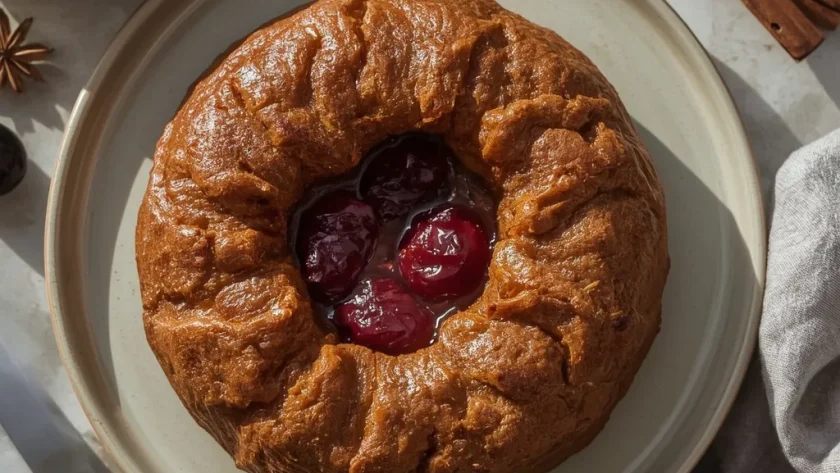
A Mary Berry Clootie Dumpling Recipe is a Scottish steamed fruit pudding — dense, darkly spiced, and wrapped in a glossy, wrinkled skin. Self-raising flour, fresh breadcrumbs and vegetable suet hold together a generous mix of currants, raisins, sultanas and grated apple, all warmed through with cinnamon, ginger and mixed spice.
Set aside 175 minutes from start to finish, most of it hands-off steaming, and count on a beginner-friendly method that simply cannot be rushed. It suits Hogmanay, Burns Night, or any cold weekend when you want something stodgy and warm under a lake of custard. The only fiddly moment is pleating and tying the lid so no water seeps in.
What is Mary Berry Clootie Dumpling Recipe?
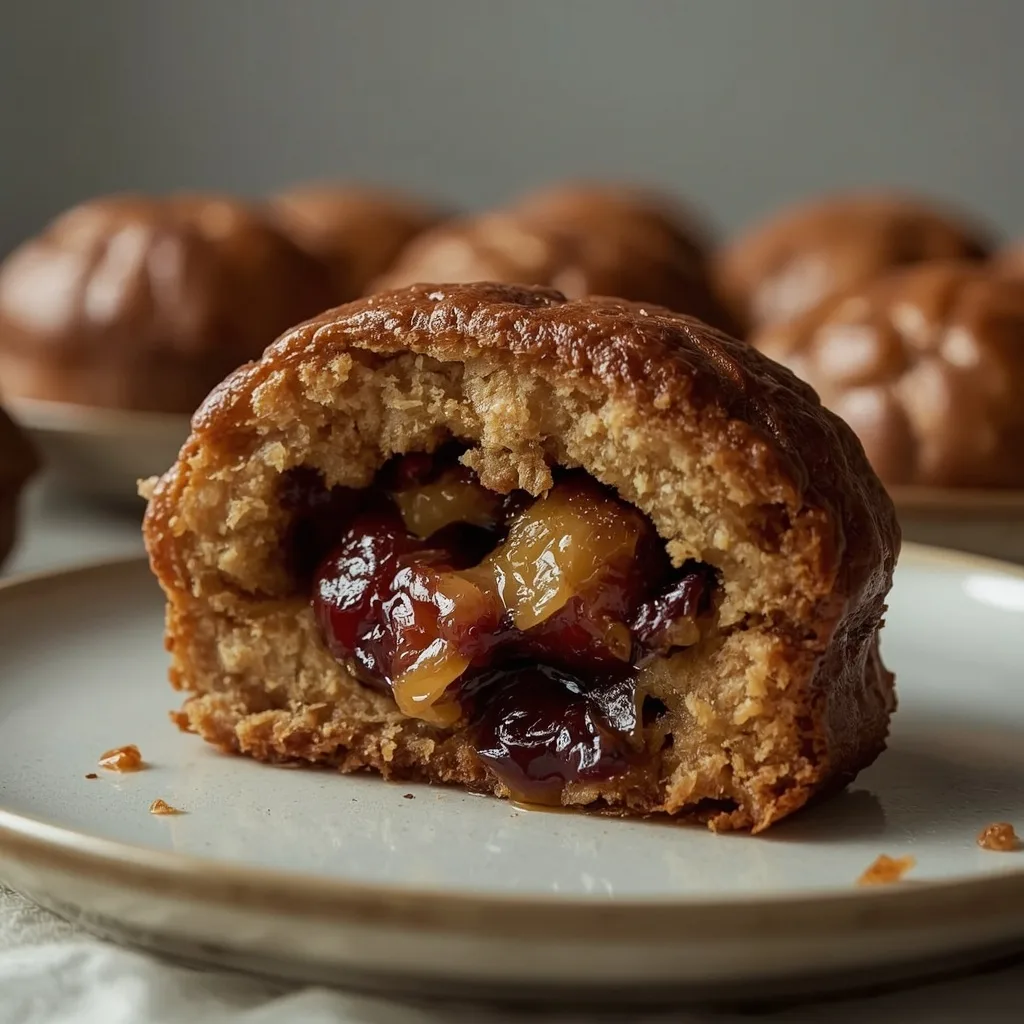
It is a traditional Scottish steamed pudding made from flour, breadcrumbs, suet, sugar, dried fruit and warm spices, cooked in a covered basin over gently simmering water for two and a half hours. The texture sits somewhere between a Christmas pudding and a dense fruit cake — soft, slightly chewy, and heavy in the best way. Flavour-wise you get dark sugar, orange zest and a proper hit of ginger and cinnamon. Make it for New Year, Burns Night, or a chilly Sunday when the oven feels too fussy.
Why This Recipe is Worth Trying
Four reasons this one earns a permanent spot in the recipe folder:
- Slow steaming does the work — the long, gentle cook keeps the crumb moist and lets the spices bloom properly instead of turning harsh.
- Everyday ingredients only — no obscure shopping list, just flour, suet, dried fruit and a tart apple from the fruit bowl.
- It improves with time — two days in the fridge mellows the spices and makes the pudding taste even better than on day one.
- Freezer-friendly wedges — slice it, wrap it, and you have puddings ready for months of cold evenings.
- Genuinely Scottish — the dried skin, the fruit-heavy crumb and the Hogmanay connection are all part of the tradition.
Essential Ingredients to Make Mary Berry Clootie Dumpling Recipe
Nothing here is hard to find, but the balance matters — too much liquid and the pudding turns slack, too little and it bakes up tight and dry.
The Dry Base
- Self-raising flour (115g) — the structural backbone; the built-in raising agent gives a gentle lift during steaming.
- Fresh white breadcrumbs (55g) — softens the crumb and keeps it from feeling heavy; stale bread blitzed in a processor works perfectly.
- Fine oatmeal (1 tbsp, optional) — adds a slightly denser, more traditional bite; leave it out for a lighter texture.
- Fine sea salt (1/4 tsp) — a small amount that stops the sugar and fruit from tasting flat.
Spices and Zest
- Ground cinnamon (1 tsp) — the warm backbone of the flavour; check it still smells sweet before using.
- Ground mixed spice (1 tsp) — the classic British pudding blend of coriander, nutmeg and clove.
- Ground ginger (1/2 tsp) — gives a quiet heat that lingers at the back of the throat.
- Finely grated orange zest (2 tsp) — brightens all that dried fruit; grate only the orange part, never the white pith.
Fruit, Fat and Sweetening
- Currants (55g) — small, chewy and packed with concentrated sweetness.
- Raisins (55g) — bigger and juicier, giving varied texture between each bite.
- Sultanas (55g) — the plumpest of the three; together they make up the classic dried fruit trio.
- Vegetable suet (85g, chilled) — melts into little pockets of richness; keep it cold and never rub it in like pastry butter.
- Light muscovado sugar (55g) — soft, treacly and slightly damp; dark muscovado works but tastes stronger.
- Golden syrup (1 tbsp) — holds moisture for days and adds a mellow caramel note.
- Small cooking apple (about 140g) — grated straight into the bowl for freshness; a Bramley or similar cooking apple is ideal.
Binder and Serving
- Large egg, at room temperature (1) — binds everything; cold eggs make the mixture stiffen suddenly.
- Whole milk (3 tbsp, plus up to 2 tbsp extra) — brings the mix to a soft dropping consistency.
- Unsalted butter (1 tbsp, softened) — for greasing the basin generously so the pudding releases cleanly.
- Warm custard or single cream (500ml) — the traditional accompaniment, and honestly the only one you need.
Handy Kitchen Tools for Best Results
You probably own most of this already — the one thing worth checking is that your pot is genuinely deep.
- 1 1/2-pint (850 ml) pudding basin — the standard size for this quantity; a heatproof bowl works if it fits under the lid.
- Baking paper and foil — both need a 2.5cm pleat folded across the middle so the pudding can expand.
- Kitchen string — ties the lid down tight and forms a handle for lifting the hot basin out safely.
- Large deep pot with a trivet or upturned saucer — keeps the basin off the base so the water circulates evenly.
- Thin skewer — the only reliable way to test whether the centre is properly cooked.
Step-by-Step Guide to Making Mary Berry Clootie Dumpling Recipe
Read the whole method once before you start — the order of mixing matters more than the timing.
- Prepare the basin — brush the inside thickly with soft butter, press a buttered circle of baking paper into the base, then set aside a pleated square of baking paper and a matching foil square for the lid.
- Whisk the dry ingredients — combine the flour, breadcrumbs, cinnamon, mixed spice, ginger, salt and oatmeal, then whisk for 20 seconds so the spices distribute evenly. Skipping this leaves dark speckles in the finished pudding.
- Toss in the suet — use your fingertips to coat every shred in flour until no clumps remain. Do not rub it in; the suet should stay in small pieces and melt into pockets as it steams.
- Coat the fruit — tip in the currants, raisins, sultanas, grated apple and orange zest, and stir with a wooden spoon until everything is floury. This stops the fruit sinking during the long cook.
- Beat the wet mix — in a small jug, whisk the egg with the milk and golden syrup until the syrup has fully dissolved. Check the base of the jug, because syrup is heavy and sinks.
- Fold to dropping consistency — pour the wet into the dry and fold, scraping the base and sides, until the mixture falls heavily from the spoon in about 5 seconds. Add extra milk a teaspoon at a time if it stands in a stiff lump, or 1 tbsp more breadcrumbs if it is slack.
- Fill the basin — spoon it in and level the top with the back of the spoon, pressing out large air pockets. Leave at least 2.5cm of space at the top for the rise.
- Lid and tie — lay the pleated baking paper on first, then the foil with the pleat running across the centre, and tie string tightly around the rim. Loop a second string across the top as a handle.
- Set up the steamer — stand the basin on a trivet in a deep pot and pour boiling water to halfway up its sides. Water above the rim means a soggy pudding, so watch the level.
- Steam gently — bring to a boil over high heat, then drop to low so the water simmers with small bubbles. Cover and steam for 2 hours 30 minutes, topping up with boiling water every 45 minutes.
- Test and rest — push a thin skewer into the centre for 5 seconds; it should come out clean apart from a little sticky fruit. Rest the covered basin for 10 minutes, run a knife around the rim, then invert onto a warm plate.
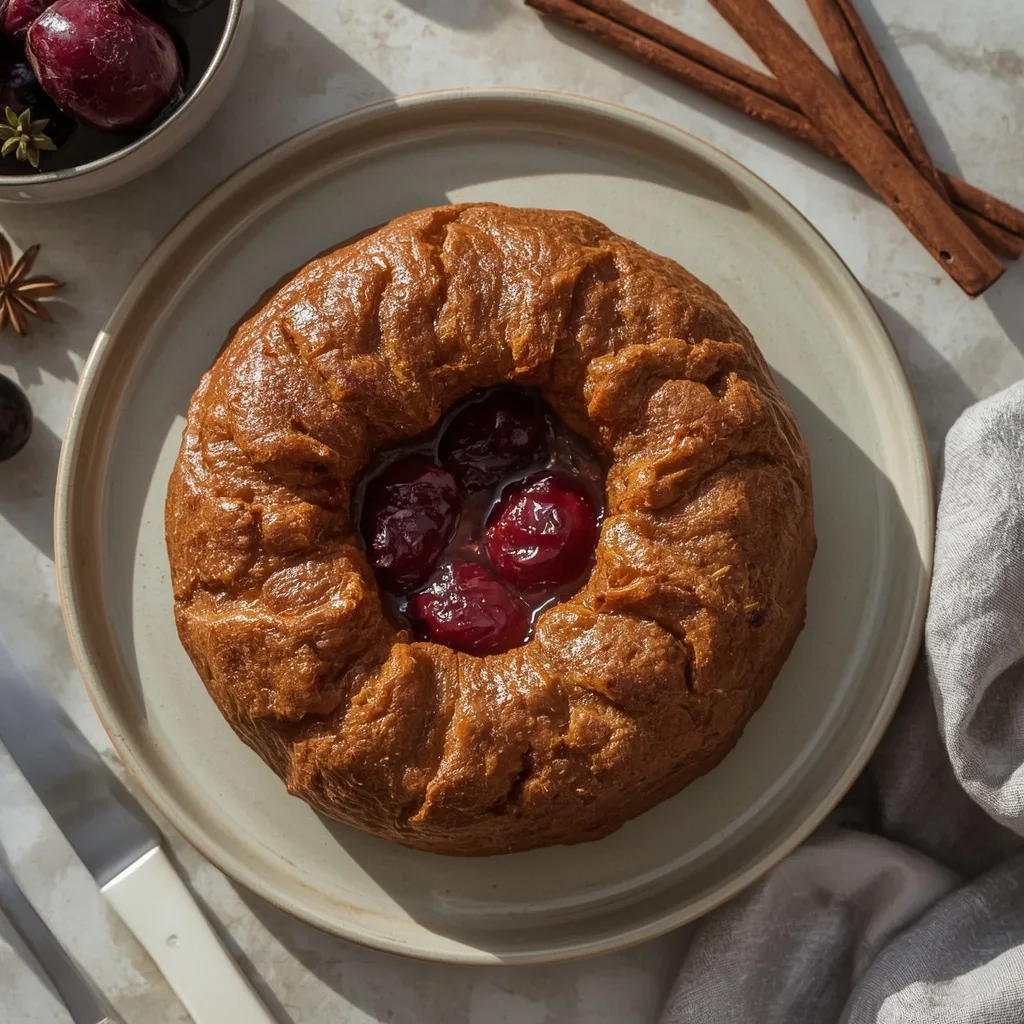
- Dry the skin (optional) — slide the turned-out pudding onto a tray and dry it in the oven at 150°C/130°C fan/gas 2 for 12 to 15 minutes until the surface firms. Cut into thick wedges with a hot knife and serve with custard.
What I Got Wrong (And How I Fixed It)
These are the slips that cost me a pudding or two before the method clicked.
- Rubbing the suet in like pastry — the mixture turned greasy and heavy; coating the shreds and leaving them whole gives a far lighter crumb.
- Water above the basin rim — the first attempt came out waterlogged at the base; keep the level halfway up and top up with boiling water, never cold.
- Under-tying the lid — steam lifted the baking paper and condensation dripped in; a tight double knot around the rim solves it completely.
- Testing too early — a skewer at two hours always looks damp; give it the full 2 hours 30 minutes before you judge.
- Inverting while still hot — the pudding cracked apart; ten minutes of resting in the basin lets it firm up first.
- Boiling hard instead of simmering — a rolling boil toughens the outside; small bubbles breaking the surface is the correct pace.
Healthier Version of Mary Berry Clootie Dumpling Recipe
You can lighten it without losing the character — just expect a slightly less rich, more crumbly result.
- Swapping suet for grated butter — use 60g chilled grated butter instead of 85g suet and drop roughly 40 calories per portion.
- Cutting the sugar back — 30g light muscovado instead of 55g works because the dried fruit carries plenty of sweetness.
- Wholemeal breadcrumbs instead of white — same 115g weight, but adds fibre and a nuttier taste.
- Trimming the fruit sugar — reduce each of the currants, raisins and sultanas to 40g for a less sweet pudding that still tastes fruity.
- Serving with light custard — a lower-fat custard or a spoon of Greek yogurt cuts fat while keeping the warm contrast.
Ingredient Substitutions for Mary Berry Clootie Dumpling Recipe
Most swaps work cleanly here because the pudding is forgiving — but adjust the liquid as you go.
- Vegetable suet (85g) → chilled grated butter (85g) — keeps the richness but gives a slightly softer set; keep it cold before mixing.
- Self-raising flour (115g) → plain flour plus 1½ tsp baking powder — the same lift, measured into the same bowl.
- Light muscovado sugar (55g) → light brown soft sugar (55g) — almost identical moisture and colour, slightly less treacle flavour.
- Fresh white breadcrumbs (55g) → panko breadcrumbs (55g) — drier crumbs, so add an extra tablespoon of milk if the mix feels tight.
- Golden syrup (1 tbsp) → honey (1 tbsp) — thins slightly faster, so beat it into the milk thoroughly before folding.
- Whole milk (3 tbsp) → oat milk (3 tbsp) — works fine for a dairy-free version; use the same amount and check the consistency.
Pairing Ideas: What to Serve With Mary Berry Clootie Dumpling Recipe
The pudding is rich and spiced, so keep the accompaniments simple and warm.
- Hot pouring custard — the classic for good reason; the cool vanilla against the dark spice is the whole point.
- Single cream — pour it cold and unwhipped for a cleaner contrast than custard.
- Strong breakfast tea — a plain, malty brew cuts through the sweetness between mouthfuls.
- Vanilla ice cream — for a hot-cold contrast; serve the wedge hot so the edges soften the scoop.
- Stewed apple — sharp and unsweetened, it balances the dried fruit beautifully.
- Buttered toast — a genuinely Scottish breakfast pairing for leftover slices fried in butter.
Expert Tips to Make Perfect Mary Berry Clootie Dumpling Recipe
Small details make the difference between a good pudding and a properly dark, glossy one.
- Weigh the fruit accurately — a little too much suet tips the balance and makes the crumb crumbly rather than chewy.
- Keep the water at a true simmer — a hard boil toughens the outside before the middle cooks.
- Grate the apple coarsely — fine grating releases too much juice and slackens the mixture.
- Check the syrup has dissolved — unmixed syrup pools at the base and leaves a sticky seam.
- Dry the surface for the skin — 12 to 15 minutes in the oven at 150°C/130°C fan/gas 2 gives that traditional wrinkled skin.
- Use a hot knife to slice — warm the blade in hot water and wipe between cuts for clean wedges.
- Never let the pot boil dry — the pudding scorches and the basin can crack; check every 45 minutes.
Creative Ways to Customize Mary Berry Clootie Dumpling Recipe
The base is flexible enough to take a few tweaks without falling apart.
- Add chopped walnuts — stir 2 tbsp through with the fruit for a crunchier bite.
- Swap the orange for lemon — 2 tsp lemon zest gives a sharper, brighter finish.
- Boost the ginger — take it to 1 tsp and add 1 tbsp chopped stem ginger for heat.
- Try an apple-juice fruit soak — plump the raisins in warm apple juice for 20 minutes before mixing.
- Make individual puddings — divide between four small buttered basins and steam for 1 hour 15 minutes.
- Add a carrot — 60g coarsely grated carrot in place of half the apple keeps it moist with a softer sweetness.
Storing Mary Berry Clootie Dumpling Recipe the Right Way
This pudding genuinely gets better after a day or two, so storage is part of the recipe.
- Fridge: wrap well — cool completely, then wrap tightly in baking paper and foil; it keeps for up to 5 days.
- Freezer portions — wrap wedges in baking paper, bag them, and freeze for up to 3 months.
- Whole-pudding freezing — double-wrap the whole cooled pudding and defrost overnight in the fridge before reheating.
- Cooling first is essential — trapping steam under the wrap makes the skin clammy, so let it reach room temperature.
- Keep it dark — store away from light in a cool cupboard if you are eating it within two days.
How to Reheat Mary Berry Clootie Dumpling Recipe (If Needed)
Reheating gently brings back the soft, sticky crumb — blast it and the edges toughen.
- Steaming a whole pudding — cover and steam for 45 to 60 minutes until piping hot through the centre.
- Microwave wedges — 60 to 90 seconds on high per portion; cover the plate so it does not dry out.
- Oven warming — wrap slices in foil and heat at 150°C/130°C fan/gas 2 for 12 to 15 minutes.
- Frying pan — melt a little butter in the pan over a medium heat and fry slices for 3 to 4 minutes per side for crisp edges.
Nutritional Breakdown (per serving)
Based on 1 serving = one quarter of the pudding, served without custard.
- Calories: 565
- Protein: 8g
- Fat: 23g
- Carbohydrates: 86g
- Fibre: 4g
- Sugar: 47g
- Sodium: about 235mg
Add roughly 130 calories more if you serve it with a generous pour of custard.
FAQs
Can I make this without a pudding basin?
Yes. Use any heatproof bowl that holds about 850 ml and fits under the pot lid with room to spare. Grease and line it exactly the same way, and keep the water halfway up the sides.
Can I freeze Mary Berry Clootie Dumpling Recipe?
Whole or in wedges, yes — wrap first in baking paper then in a freezer bag, and freeze for up to 3 months. Defrost overnight in the fridge before reheating.
Why did my pudding come out pale and soft?
Usually it was undercooked or the water level dropped too low. Steam the full 2 hours 30 minutes and top up with boiling water every 45 minutes.
Can I bake it instead of steaming?
Preheat the oven to 160°C/140°C fan/gas 3, stand the covered basin in a deep roasting tin with boiling water halfway up, cover tightly with foil and bake for 2 hours 30 minutes.
How do I stop water getting into the pudding?
Two things: keep the water below the rim of the basin, and tie the pleated baking paper and foil down tightly with a double knot of string.
Do I have to dry the skin at the end?
No, but it is the traditional finish. 12 to 15 minutes in the oven at 150°C/130°C fan/gas 2 firms the surface into that glossy, wrinkled skin.
Try These Recipes
Wrapping It Up
Steaming takes patience, but the payoff is a dark, spiced pudding that tastes even better two days later. Give this Mary Berry Clootie Dumpling Recipe a go for your next cold weekend — and do not skip the custard.
PrintMary Berry Clootie Dumpling

A proper Scottish clootie dumpling: a dense, darkly spiced steamed fruit pudding with a soft, almost chewy crumb and a glossy, wrinkled skin. Warm cinnamon, ginger and mixed spice wrap around plump currants, raisins and sultanas, while grated apple and a spoon of golden syrup keep it moist for days. Served in thick wedges with hot custard, it is the taste of Hogmanay and Burns Night in one bowl.
- Prep Time: 25
- Cook Time: 150
- Total Time: 175
- Yield: 4 1x
- Category: Dessert
- Method: Steaming
- Cuisine: Scottish
Ingredients
- 15g unsalted butter, at room temperature, for greasing the basin
- 115g self-raising flour
- 55g fresh white breadcrumbs
- 85g vegetable suet, chilled
- 55g light muscovado sugar
- 55g currants
- 55g raisins
- 55g sultanas
- 1 tsp ground cinnamon
- 1 tsp ground mixed spice
- ½ tsp ground ginger
- ¼ tsp fine sea salt
- 1 small cooking apple (about 140g), peeled, cored and coarsely grated (about 115g prepared)
- 2 tsp finely grated orange zest (from 1 large orange)
- 1 tbsp fine oatmeal (optional, for a slightly denser crumb)
- 1 large egg, at room temperature
- 3 tbsp whole milk, plus up to 2 tbsp extra if needed
- 1 tbsp golden syrup
- Boiling water, for the steamer pan
- 500ml warm custard or single cream, to serve
Instructions
- Set a 1.2 litre (2 pint) pudding basin on the work surface. Brush the inside thickly with the soft butter, then press a circle of baking paper into the base and butter that too. Cut a large square of baking paper and a same-sized square of foil, fold a 2.5cm pleat across the middle of each, and set aside for the lid.
- In a large mixing bowl, combine the self-raising flour, breadcrumbs, cinnamon, mixed spice, ground ginger, salt and the oatmeal if using. Stir with a balloon whisk for 20 seconds so the spices are evenly spread, which prevents dark speckles in the finished pudding.
- Add the chilled suet and toss it through the flour with your fingertips until every shred is coated and no clumps remain. Do not rub it in as you would butter for pastry; the suet should stay in small pieces so it melts into little pockets of richness as the pudding steams.
- Tip in the currants, raisins, sultanas, grated apple and orange zest. Toss everything together with a wooden spoon until the fruit is fully coated in the flour mixture, which stops it sinking to the bottom during the long steam.
- In a small jug, beat the egg with the milk and golden syrup until the syrup has completely dissolved and no streaks remain. Golden syrup is heavy and will sit on the bottom if you pour it in unmixed, so check the base of the jug before you carry on.
- Pour the wet ingredients into the dry and fold with the wooden spoon, scraping the base and sides, until you have a soft dropping consistency. The mixture should fall heavily from the spoon in about 5 seconds; if it stands in a stiff lump, add extra milk 1 tsp at a time, and if it is slack, stir in 1 tbsp more breadcrumbs.
- Spoon the mixture into the prepared basin and level the top with the back of the spoon, pressing down gently to remove any large air pockets. Leave at least 2.5cm of space at the top, as the pudding rises as it steams.
- Lay the pleated baking paper over the basin, then the pleated foil on top, with the pleat running across the centre so it can expand. Tie a double length of kitchen string tightly around the rim, then loop a second string across the top to make a handle for lifting the hot basin in and out of the pan.
- Place a metal trivet or an upturned heatproof saucer in the base of a large, deep pan and stand the basin on it. Pour in boiling water from the kettle until it comes halfway up the sides of the basin; never let it come over the rim or water will seep in and make the pudding soggy.
- Bring the pan to the boil over a high heat, then immediately turn down to low so the water is at a steady, gentle simmer. Cover with a tight-fitting lid and steam for 2 hours 30 minutes, checking every 45 minutes and topping up with boiling water to keep the level.
- Oven alternative: preheat the oven to 160°C/140°C fan/gas 3. Stand the covered basin in a deep roasting tin, pour in boiling water to come halfway up the basin, cover the whole tin tightly with foil and bake for 2 hours 30 minutes, topping up with boiling water halfway through.
- To test, remove the lid and push a thin skewer into the centre of the pudding for 5 seconds; it should come out clean apart from a little sticky fruit, and the surface should feel firm and springy rather than wet. If it still looks damp, re-cover and steam for a further 20 minutes.
- Lift the basin out and leave it to rest, still covered, for 10 minutes. Run a thin knife around the inside rim, turn out onto a warm plate, then peel away the baking paper; the pudding should slide out with a dark, glossy, slightly wrinkled top.
- For the traditional finish, slide the turned-out pudding onto a baking tray and dry it in the oven at 150°C/130°C fan/gas 2 for 12–15 minutes until the surface firms into a skin. Cut into thick wedges with a hot knife and serve straight away with plenty of warm custard.
Notes
Cool any leftovers completely, then wrap the pudding tightly in baking paper and foil. It keeps in the fridge for up to 5 days and improves after 2 days as the spices mellow. Freeze whole or in wedges for up to 3 months, wrapped first in baking paper then in a freezer bag. To reheat a whole pudding, steam it covered for 45–60 minutes until piping hot through the centre, or microwave individual wedges on high for 60–90 seconds. Slices can also be fried in butter over a medium heat for 3–4 minutes per side and served at breakfast. For the traditional cloth method, dip a floured cotton pudding cloth in boiling water, wring it out, lay it in the basin, fill, gather and tie, leaving a little slack for expansion, then steam as above and dip the cloth in cold water for 10 seconds before unwrapping so the skin does not tear. Do not let the pan boil dry; the pudding will scorch and the basin can crack.
Nutrition
- Calories: 565
- Sugar: 47g
- Sodium: 235mg
- Unsaturated Fat: 11g
- Carbohydrates: 86g
- Fiber: 4g
- Protein: 8g
- Cholesterol: 51mg
Keywords: mary berry clootie dumpling, clootie dumpling, clootie dumpling recipe, Scottish clootie dumpling, traditional Scottish pudding, steamed fruit pudding, Scottish dessert, suet pudding, Burns Night dessert, Hogmanay pudding, easy steamed pudding, spiced fruit pudding


