 Ekani Ella
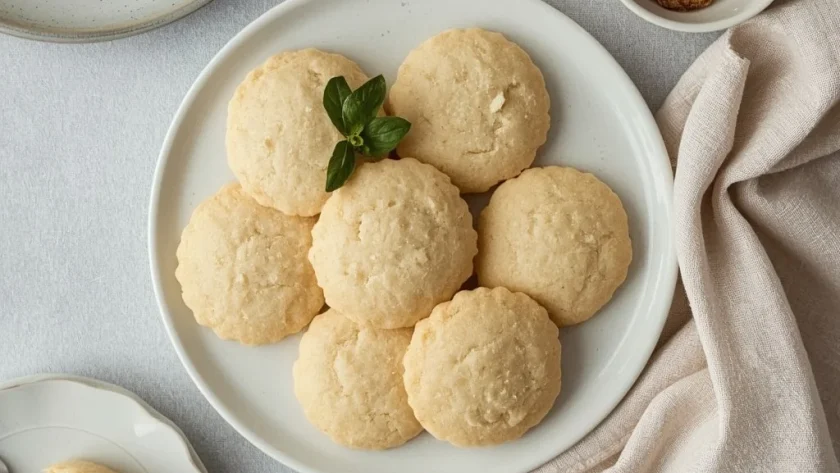
Mary Berry Classic Shortbread Recipe turns four everyday ingredients — softened butter, sugar, plain flour and cornflour — into a crisp, sandy British biscuit that snaps cleanly and then melts on the tongue. No raising agent goes in, and there is no clever technique involved. Just a low oven, a light hand and a little patience.
Count on 20 minutes of prep, 30 minutes in the oven, and 80 minutes from start to finish once chilling and cooling are included. The difficulty sits at beginner level, though the one step that catches most people out is cutting the fingers while the slab is still warm. Best occasion? Afternoon tea, a biscuit tin for the week, or a homemade gift.
What is Mary Berry Classic Shortbread Recipe?
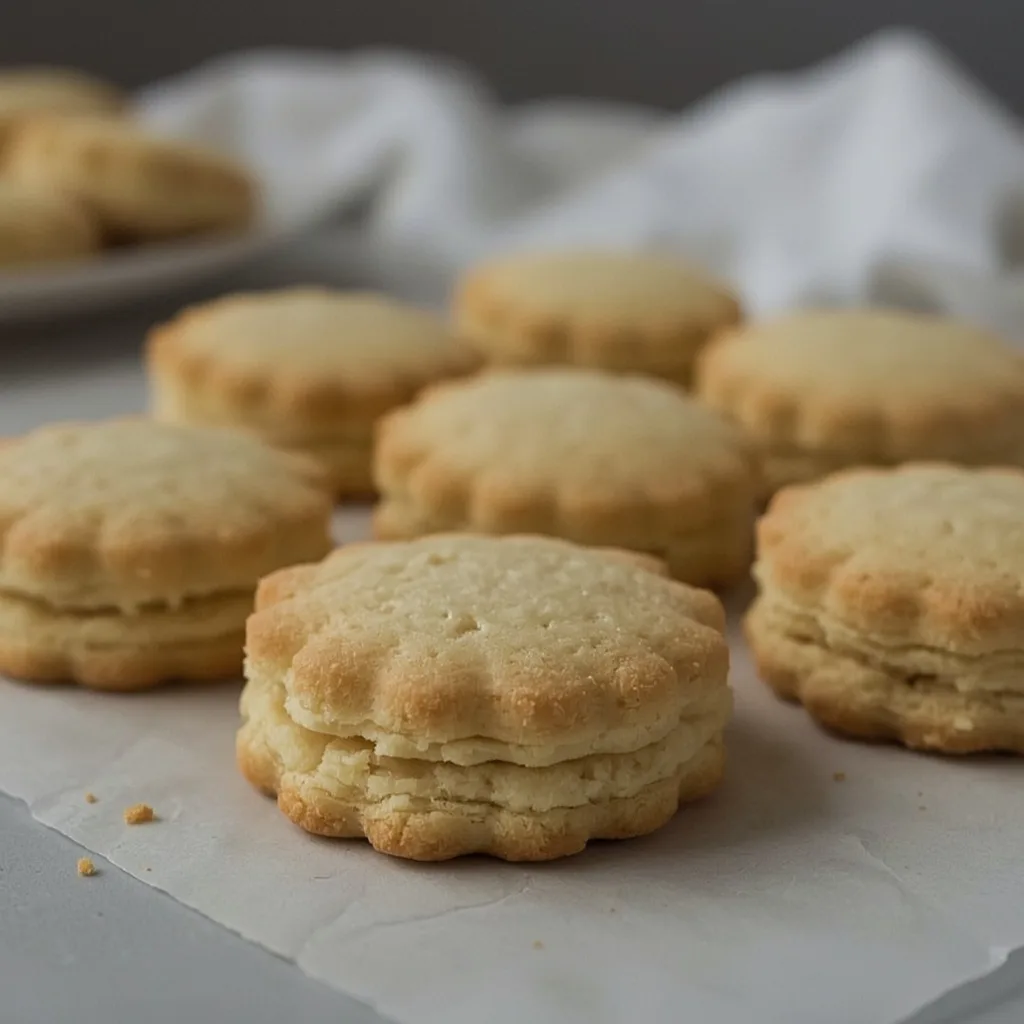
It is a baked biscuit made from butter, sugar, plain flour and a starch, pressed flat into a tin and baked slowly at a low heat. The result is pale gold, faintly sweet and remarkably short — the crumb gives way the second your teeth go through it. Cornflour is what keeps the texture sandy rather than chewy, and a pinch of salt stops the whole thing tasting flat. Make a batch when the biscuit tin is empty and the kettle is nearby.
Why This Recipe is Worth Trying
- Four core ingredients — butter, sugar, flour and cornflour make the whole dough, so there is nothing obscure to hunt down.
- Beginner-friendly method — creaming, folding and pressing need no special skill, only a light hand at the end.
- Fridge-friendly dough — the unbaked mix keeps for up to 3 days, so you can press it into the tin and bake when it suits you.
- Long keeping quality — an airtight tin holds the fingers for a week, and they genuinely improve after 24 hours.
- Teatime versatility — plain and sugared, or dressed up with zest and chocolate, they suit almost any drink you put beside them.
Essential Ingredients to Make Mary Berry Classic Shortbread Recipe
Everything here is a cupboard staple, and the thing that matters most is temperature rather than brand.
The Butter and Sugar
- Unsalted butter — 115g, softened at room temperature. It is the only fat in the recipe, so use a block butter you actually like the taste of; it should dent under a finger, not feel greasy.
- Caster sugar — 60g. Fine caster sugar creams into butter cleanly and keeps the crumb pale.
The Dry Ingredients
- Plain flour — 120g. Plain flour gives structure without building too much gluten; weigh it on digital scales.
- Cornflour — 60g, or the same weight of fine semolina for a crunchier, more traditional bite.
- Fine sea salt — 1/4 teaspoon. A small amount lifts the butter flavour; fine salt dissolves evenly through the dough, flaky salt does not.
For Finishing
- Extra caster sugar — 1 tablespoon (12 g), scattered over the hot surface so the crystals grip and sparkle.
Handy Kitchen Tools for Best Results
None of this is specialist kit, but two or three items genuinely change the outcome.
- 20 x 15cm shallow tin — a light-coloured metal tin bakes evenly at this low temperature; a dark non-stick one over-browns the edges before the centre sets. An 18cm square tin works too.
- Baking paper — line the base and sides with a 2.5cm overhang on two sides, which gives you handles to lift the slab out later.
- Electric hand mixer — 3 to 4 minutes of creaming is a lot of arm work. A wooden spoon does the job, it just takes longer.
- Fine-mesh sieve — sifting the flour, cornflour and salt separates the starch granules, which is exactly what gives that sandy crumb.
- Thin-bladed sharp knife — pressing straight down through the warm slab gives clean edges; a thick blade drags and tears.
Step-by-Step Guide to Making Mary Berry Classic Shortbread Recipe
The order below matters more than the speed. Read it once through before you start and the whole thing takes about 20 minutes of hands-on work.
- Prepare the tin and oven — put a shelf in the middle and preheat to 160°C/140°C fan/gas 3. Line the base and sides of a 20 x 15cm shallow tin with baking paper, leaving a 2.5cm overhang on two sides.
- Cream the butter and sugar — cut the softened butter into cubes and beat with the 60g caster sugar for 3 to 4 minutes, until pale and fluffy. Scrape down the bowl halfway through, because butter clinging to the sides will not aerate.
- Sift the dry ingredients — sift the flour, cornflour and fine sea salt into a separate bowl, then whisk briefly to spread the salt evenly.
- Fold in two additions — add the dry mix to the creamed butter in two goes, on the lowest speed or with a flexible spatula, and stop the moment no dry streaks remain. Overworking develops gluten and the biscuits bake tough.
- Press into the tin — tip the crumbly dough in and press it into an even layer about 1cm thick, working from the centre outwards with the back of a spoon. Push firmly into the corners, since loose patches crack open in the oven.
- Prick and chill — prick the surface all over in rows about 1cm apart, pushing right down to the base so steam can escape. Chill uncovered for 30 minutes, until the surface feels firm and cold.
- Bake low and slow — bake for 30 to 35 minutes, checking at 25 minutes and rotating the tin front to back if your oven browns unevenly. The centre should still look slightly underbaked and feel soft with a little give.
- Sugar the hot surface — set the tin on a wire rack and scatter the 1 tablespoon of sugar over immediately. Leave it 5 minutes so the heat melts the crystals just enough to grip.
- Cut while warm — slice into 8 fingers (about 7.5 x 5cm) with a sharp, thin knife, pressing straight down in one clean movement rather than sawing.
- Cool in the tin — leave for 10 minutes to firm up, then lift out using the baking paper and cool completely on the rack, about 40 minutes.
- Serve or store — eat at room temperature, or leave them in an airtight tin for a day so the flavours mellow.
What I Got Wrong (And How I Fixed It)
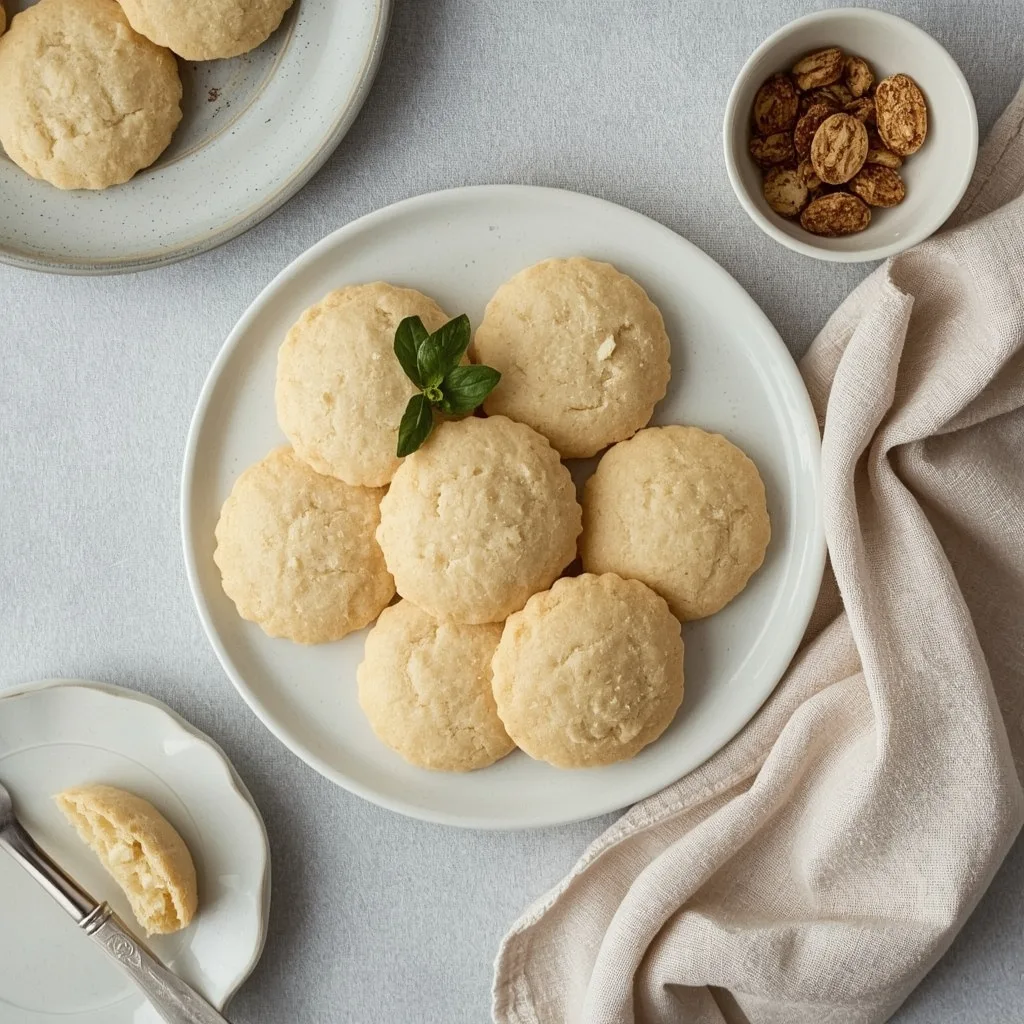
Every one of these showed up clearly in the finished biscuit, and each has a simple fix.
- Under-creaming the butter — stopping at 1 minute leaves the mix yellow and heavy, and the baked crumb turns dense. Go the full 3 to 4 minutes until it looks like pale ivory.
- Skipping the chill — a warm tin goes into the oven and the slab domes and splits. Thirty minutes in the fridge firms the surface and solves it.
- Overworking the dough — gluten develops fast once the flour is in, and the bars shrink from the tin and taste tough. Fold only until no dry streaks remain.
- Dark tins at low heat — black non-stick tins brown the edges long before the centre sets. Use a light tin, or slide a baking tray underneath as a heat buffer.
- Cutting the slab cold — waiting until it is cool shatters the bars into ragged pieces. Cut into fingers while it is still warm and soft, then leave it in the tin to firm up.
Healthier Version of Mary Berry Classic Shortbread Recipe
Shortbread is a treat by nature, but a few small changes take the edge off.
- Cut smaller fingers — slice the slab into 12 thinner fingers instead of 8; each one has a third less butter and sugar.
- Less sugar on top — skip the final sprinkling of caster sugar; the biscuit is sweet enough on its own.
- Add wholemeal — replace 30g of the plain flour with wholemeal flour for a little extra fibre and a nuttier taste.
Ingredient Substitutions for Mary Berry Classic Shortbread Recipe
- Cornflour (60g) → fine semolina (60g), for a crunchier, more traditional texture
- Caster sugar (60g) → golden caster sugar (60g), for a light caramel note
- Plain flour (120g) → gluten-free plain flour (120g) plus ¼ tsp xanthan gum
- Unsalted butter (115g) → salted butter (115g); leave out the added salt
Expert Tips to Make Perfect Mary Berry Classic Shortbread Recipe
- Use soft, not melted, butter — melted butter makes a greasy, flat biscuit; it should dent easily under a finger.
- Bake low and slow — 160°C/140°C fan/gas 3 keeps the shortbread pale and evenly crisp all the way through.
- Take it out slightly underdone — the centre should still feel soft; it crisps as it cools.
- Let it rest a day — shortbread tastes best after 24 hours in an airtight tin, when the crumb is at its shortest.
Storing Mary Berry Classic Shortbread Recipe
- Airtight tin — keeps for up to 1 week at room temperature; do not put it in the fridge, as the butter hardens and the texture turns grainy.
- Unbaked dough — press into the tin, wrap tightly and chill for up to 3 days, or freeze for up to 2 months and bake from frozen with 5 extra minutes.
- Freezing baked shortbread — layer the fingers between sheets of baking paper in a rigid container and freeze for up to 3 months; defrost at room temperature for 1 hour.
- Crisping up soft shortbread — warm on a baking tray at 150°C/130°C fan/gas 2 for 5 minutes, then cool completely.
Nutritional Breakdown (per serving)
Based on 1 serving = 1 finger out of 8.
- Calories — about 221
- Carbohydrates — 27g
- Sugar — 9g
- Protein — 2g
- Sodium — 74mg
FAQs
Why is my shortbread tough?
The dough was overworked once the flour went in. Mix only until no dry streaks remain and press it into the tin gently rather than kneading.
Why did my shortbread spread or puff up?
The butter was too warm or the dough was not chilled. Thirty minutes in the fridge before baking keeps the shape and stops it doming.
Can I use semolina instead of cornflour?
Yes. Fine semolina gives a crunchier, more traditional Scottish texture; use the same 60g weight.
How do I know when shortbread is done?
It should be pale golden on top, a shade darker at the edges, and still slightly soft in the centre. It firms up as it cools.
Mary Berry Classic Shortbread Recipe is proof that the simplest bakes are often the best: four ingredients, a low oven and a little patience give you buttery fingers that snap and then melt. Cut them while warm, cool them completely, and keep a tin ready for whenever the kettle goes on.
PrintMary Berry Classic Shortbread
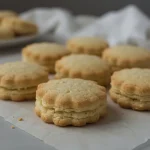
Mary Berry’s classic shortbread is the benchmark: a crisp, sandy, butter-rich biscuit that snaps cleanly and then melts on the tongue. The dough is a simple mix of softened butter, sugar, plain flour and cornflour (or semolina), pressed into a tin, pricked, chilled, then baked low and slow until barely golden. Cut into fingers while still warm and finished with a sprinkling of sugar, they are the perfect partner to a cup of tea.
- Prep Time: 20
- Cook Time: 30
- Total Time: 80
- Yield: 8 fingers 1x
- Category: Dessert
- Method: Baking
- Cuisine: British
Ingredients
- 115g unsalted butter, softened at room temperature
- 60g caster sugar
- 120g plain flour
- 60g cornflour (or the same weight of fine semolina for a crunchier, more traditional bite)
- ¼ tsp fine sea salt
- 1 tbsp (12g) caster sugar, for sprinkling
Instructions
- Put a shelf in the middle of the oven and preheat to 160°C/140°C fan/gas 3. Line the base and sides of a 20 x 15cm shallow baking tin (or an 18cm square tin) with baking paper, leaving a 2.5cm overhang on two sides so you can lift the shortbread out later. Use a heavy, light-coloured tin if you have one, as a dark non-stick tin will over-brown the edges at this low temperature.
- Cut the softened butter into cubes and put it in a large mixing bowl with the 60g caster sugar. Beat with a wooden spoon or an electric hand whisk on medium speed for 3–4 minutes, until the mixture turns pale and feels light and fluffy. Scrape down the bowl once halfway through, as butter clinging to the sides will not aerate and will leave dense pockets.
- Sift the flour, cornflour and salt together into a separate bowl, then whisk briefly to spread the salt evenly. Sifting gives shortbread its famously sandy, melt-in-the-mouth crumb.
- Add the dry ingredients to the creamed butter in two goes, mixing on the lowest speed or folding with a spatula just until no dry streaks remain. Stop the moment the dough comes together, as overworking makes the shortbread tough and it will shrink away from the tin.
- Tip the crumbly dough into the prepared tin and press it into an even layer about 1cm thick, working from the centre outwards with the back of a spoon. Press firmly into the corners and right to the edges so there are no air pockets, since loose patches crack open during baking.
- Prick the surface all over with a fork in neat rows about 1cm apart, pushing right down to the base of the tin. The holes let steam escape as the butter melts, which stops the shortbread doming and splitting. Chill the tin uncovered in the fridge for 30 minutes, until the surface feels firm and cold.
- Bake on the middle shelf for 30–35 minutes, until the surface is pale golden and the edges are a shade deeper, checking at 25 minutes and turning the tin if your oven browns unevenly. It should still look slightly underbaked in the centre and feel soft with a little give; it crisps as it cools. If the edges colour before the centre is set, lay a sheet of foil loosely over the top.
- Set the tin on a wire rack and immediately scatter the 1 tbsp caster sugar evenly over the hot surface. Leave for 5 minutes, as the heat melts the sugar just enough to stick and give that classic sparkle.
- While the shortbread is still warm, cut it into 8 fingers (about 7.5 x 5cm) with a sharp, thin-bladed knife, pressing straight down in one clean movement rather than sawing. Cutting now, while the butter is soft, gives clean edges; if you wait until it is cold it will shatter into ragged pieces.
- Leave the shortbread in the tin on the rack for 10 minutes to firm up, then lift it out using the baking paper and set it directly on the rack to cool completely, about 40 minutes. Shortbread is fragile while hot and only reaches its final crispness once it is fully at room temperature.
- Serve at room temperature, or keep in an airtight tin for a day so the flavours mellow. Shortbread is at its best after 24 hours, when the crumb is at its shortest and sandiest.
Notes
Keep cooled shortbread in an airtight tin at room temperature for up to 1 week; do not put it in the fridge, as the butter hardens and the texture turns grainy. The unbaked dough can be pressed into the tin, wrapped tightly and chilled for up to 3 days, or frozen for up to 2 months, then baked straight from the freezer with 5 extra minutes added to the baking time. Baked shortbread freezes well for up to 3 months: layer the fingers between sheets of baking paper in a rigid container, then defrost at room temperature for 1 hour. To crisp up shortbread that has gone soft, spread the fingers on a baking tray and warm at 150°C/130°C fan/gas 2 for 5 minutes, then cool completely before storing. For a crunchier traditional version, swap the cornflour for the same weight of fine semolina, or press the dough into an 18cm round tin and cut it into 8 wedges while warm.
Nutrition
- Calories: 220
- Sugar: 9g
- Sodium: 74mg
- Unsaturated Fat: 7g
- Carbohydrates: 27g
- Fiber: 0g
- Protein: 2g
- Cholesterol: 30mg
Keywords: mary berry shortbread, classic shortbread recipe, Scottish shortbread, butter shortbread, shortbread fingers, easy shortbread recipe, melt in the mouth shortbread, British biscuits, afternoon tea biscuits, homemade shortbread, traditional shortbread