 Ekani Ella
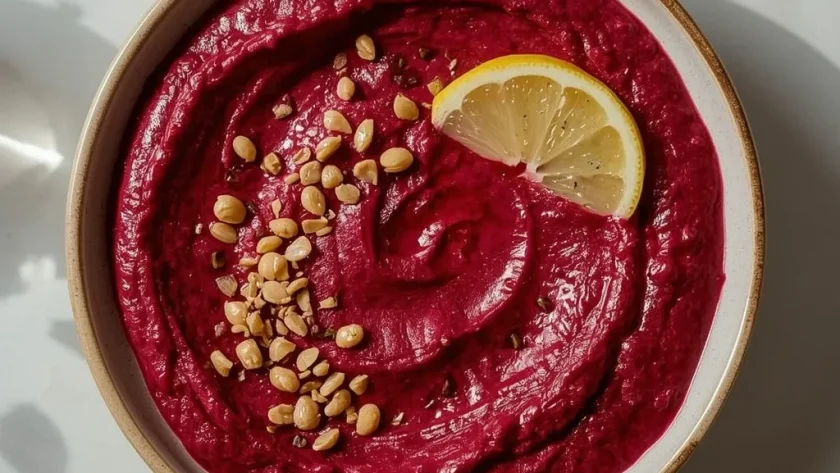
 Mary Berry Beetroot Hummus is a vibrant twist on the classic dip, blending earthy roasted beets with creamy chickpeas and nutty tahini. A squeeze of lemon lifts the whole thing, giving it a bright, fresh finish that’s as pretty as it is tasty.
Total time is just 10 minutes if you use pre-cooked beetroot, making this an ideal last-minute snack or starter. The only potential hitch is getting the consistency right — too thick and it won’t spread, too thin and it’s runny. But I’ll show you exactly how to nail it.
What is Mary Berry Beetroot Hummus?
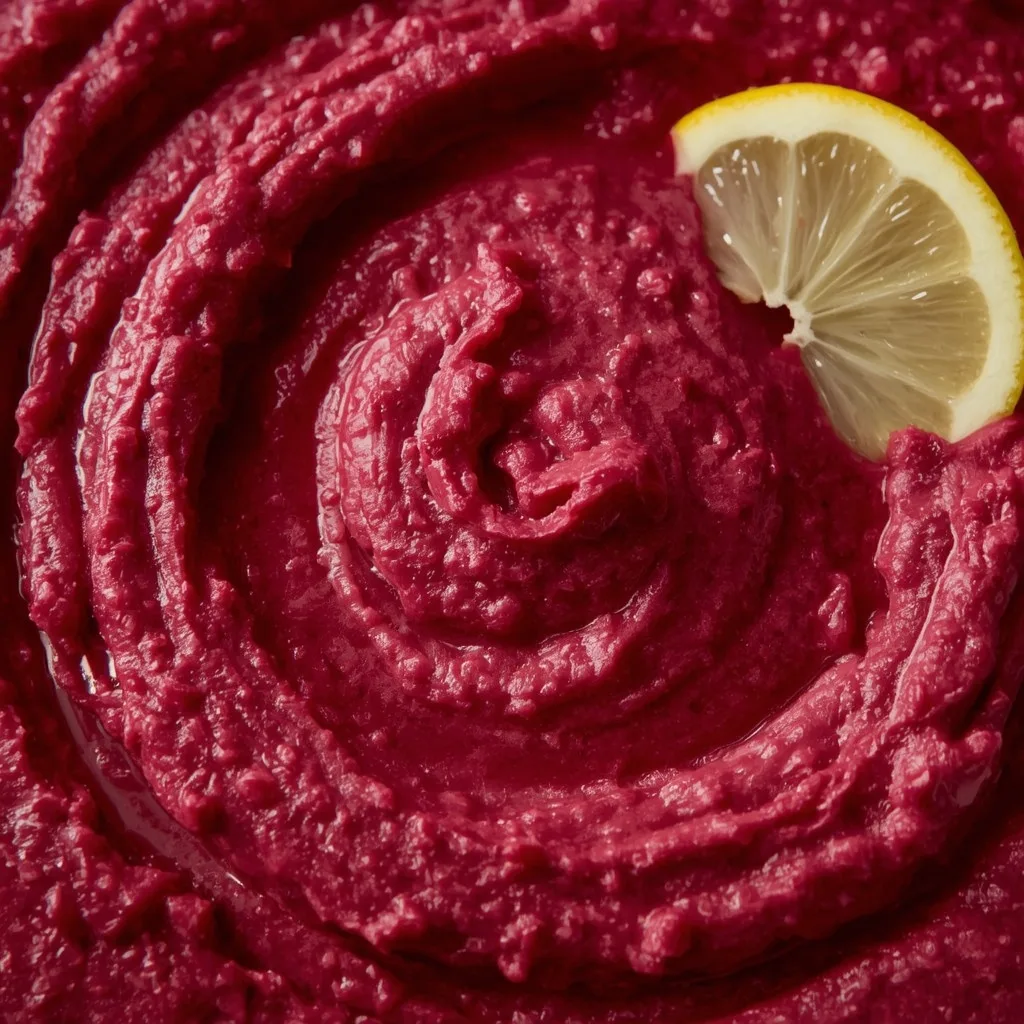
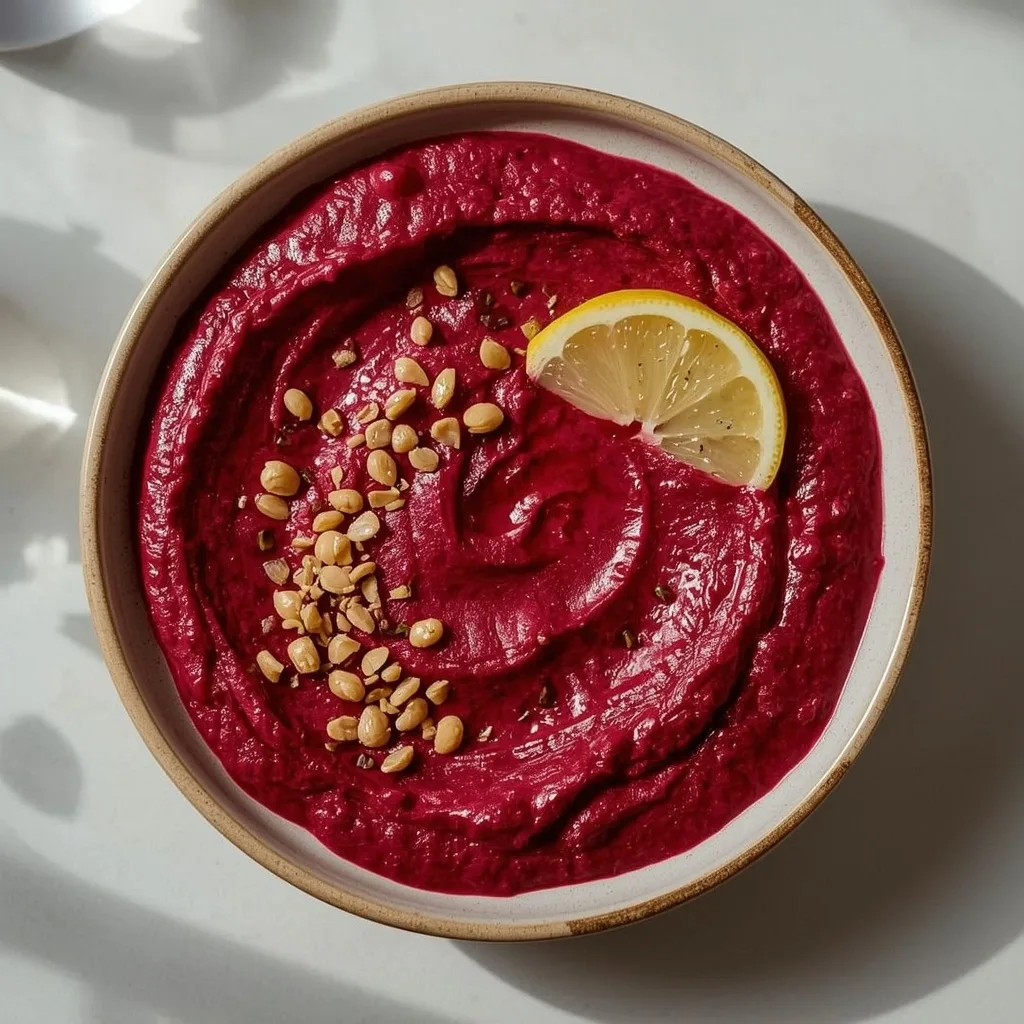
This is a no-cook dip made from chickpeas, tahini, lemon juice, garlic, cumin, and cooked beetroot. Everything gets blitzed in a food processor until silky smooth. The beetroot gives it a gorgeous magenta colour and a subtle sweetness that pairs beautifully with the savoury tahini. Serve it with warm pitta, crudités, or spread it on toast for a quick lunch.
Why This Recipe is Worth Trying
- It’s stunningly simple — Just toss everything into a food processor and blitz. No cooking, no fuss.
- The colour is a showstopper — That deep magenta hue makes any platter look instantly special, perfect for parties or gifting.
- You can make it ahead — It keeps in the fridge for up to five days and actually tastes better after the flavours meld.
- It sneaks in extra veg — Beetroot adds fibre, vitamins, and antioxidants, so you’re eating something delicious and nutritious.
- It’s endlessly customisable — Swap herbs, spices, or even the chickpeas for white beans, and you’ve got a new dip every time.
Essential Ingredients to Make Mary Berry Beetroot Hummus
You only need nine ingredients, most of which are pantry staples. Here’s what each one does and how to pick the best quality.
The Base: Chickpeas & Tahini
- 1 can (15 oz) chickpeas, drained and rinsed — Canned is fine, but do rinse thoroughly to remove excess sodium and improve texture. For extra-smooth hummus, rub off the skins.
- 1/2 cup tahini, well stirred — Tahini separates in the jar, so stir it well before measuring. Use a runny, pourable tahini for best emulsification.
Flavour & Seasoning
- 1/4 cup fresh lemon juice — Bottled won’t give you the same brightness. Always squeeze fresh lemons.
- 2 cloves garlic, roughly chopped — Garlic adds punch. If you want a milder bite, remove the green germ from the cloves.
- 1/2 teaspoon ground cumin — Warm, earthy cumin complements the beetroot’s sweetness.
- 1/2 teaspoon fine sea salt — Salt enhances all the flavours. You can adjust to taste later.
Liquid & Colour
- 1/4 cup extra-virgin olive oil — A good quality oil emulsifies the hummus and adds fruity richness. Save the mild stuff; here you want flavour.
- 1 cup cooked beetroot (about 1 medium beet, roasted or boiled, peeled and chopped) — Pre-cooked vacuum-packed beetroot is a huge time-saver. Fresh roasted gives a deeper, earthier taste.
- 2-3 tablespoons water, as needed for consistency — A little water loosens the hummus to a perfect spreadable texture without adding fat.
Handy Kitchen Tools for Best Results
- Food processor — A high-speed processor gives the silkiest hummus. A blender works too, but you’ll need to scrape down more often.
- Rubber spatula — Essential for scraping down the sides of the bowl so everything blends evenly.
- Measuring spoons and cups — Precise measurements matter here, especially for tahini and lemon juice.
- Small bowl or jar — For stirring the tahini and for holding water while you adjust consistency.
- Citrus juicer — Makes squeezing lemons quick and mess-free. A fork works in a pinch.
Step-by-Step Guide to Making Mary Berry Beetroot Hummus
Follow these steps in order and you’ll have a creamy, vibrant hummus every time. I’ve added a few extra notes from my own kitchen experience.
- Prepare the beetroot — If using fresh, roast at 400°F (200°C) wrapped in foil for 40-50 minutes until tender. Cool, peel, and chop. For speed, use pre-cooked vacuum-packed beetroot – just drain and chop.
- Rinse the chickpeas — Drain and rinse thoroughly. For an even silkier texture, rub the chickpeas in a clean kitchen towel to remove the skins. This is optional but worth the extra minute.
- Blend the base — In a food processor, combine chickpeas, tahini, lemon juice, garlic, cumin, and salt. Pulse a few times, then process for about 30 seconds until coarsely ground.
- Emulsify with oil — With the motor running, slowly drizzle in the olive oil and 2 tablespoons of water. Process for 1-2 minutes, scraping down the sides, until smooth and creamy. The steady stream of oil is key to that velvety finish.
- Add the beetroot — Add the chopped beetroot and process for another 30-45 seconds until fully incorporated and the hummus turns a deep magenta. Scrape the sides again to ensure even colour.
- Taste and adjust — Check the seasoning. Add more salt, lemon juice, or a tablespoon of water to thin it. The final texture should be soft and spreadable, not runny.
- Serve or store — Transfer to a bowl, swirl with the back of a spoon, drizzle with olive oil, and sprinkle with paprika or sumac. Serve at room temperature with warm pitta or crudités.
What I Got Wrong (And How I Fixed It)
- Too thick and pasty — I didn’t add enough water. The fix: add 1 tablespoon at a time while processing until it loosens to a silky dip. You need that extra liquid to balance the tahini.
- Grainy texture — I used un-stirred tahini that was too thick. Now I always stir the jar well before measuring. Lumpy tahini = lumpy hummus.
- Blunt garlic flavour — I threw in whole cloves without chopping. Chopping the garlic first helps it blend evenly and stops you biting into a raw clove.
- Watery hummus — I didn’t drain the chickpeas long enough. After rinsing, let them sit in a sieve for a few minutes so excess water doesn’t thin the dip.
- Muddy colour — I added the beetroot all at once before emulsifying. By adding it after the base is smooth, you get a brighter, more vibrant magenta.
- Bland taste — I under-salted. Salt is crucial here; don’t be shy. Taste after blending and add another pinch if needed.
Healthier Version of Mary Berry Beetroot Hummus
- Reduce olive oil — Cut the oil to 2 tablespoons and increase water to 3-4 tablespoons. The hummus stays creamy but drops about 60 calories per serving.
- Swap in low-sodium chickpeas — Use chickpeas canned in water without added salt, and rinse well. This cuts sodium by roughly 200mg per serving.
- Boost the veggie content — Add a handful of fresh spinach or a roasted red pepper along with the beetroot. Extra fibre and vitamins without changing the flavour much.
- Use low-fat tahini — Some brands offer tahini made from hulled sesame seeds that has slightly less fat. Texture may be a bit thinner, so reduce water accordingly.
- Skip the salt — Omit the 1/2 teaspoon salt and let the cumin, garlic, and lemon do the heavy lifting. You can always add a pinch at the table.
Ingredient Substitutions for Mary Berry Beetroot Hummus
- 1 can chickpeas → 1 can white beans (cannellini or butter beans) — White beans make an equally creamy hummus with a milder flavour. No need to adjust measurements.
- 1/2 cup tahini → 1/2 cup sunflower seed butter — Nut-free and just as creamy, though the flavour is more earthy. Add an extra tablespoon of olive oil for richness.
- 1/4 cup lemon juice → 3 tablespoons white wine vinegar + 1 tablespoon water — Acid is acid; this swap gives a similar tang. Use it only if you’re out of lemons.
- 2 cloves garlic → 1/2 teaspoon garlic powder — Garlic powder delivers a milder, more even flavour. Add it with the other dry spices.
- 1/2 teaspoon cumin → 1/2 teaspoon smoked paprika — Smoked paprika adds a smoky, sweet depth that pairs wonderfully with beetroot. No other changes needed.
- 1 cup cooked beetroot → 1 cup roasted carrot — Roasted carrot gives a similar sweetness and bright orange colour. Roast at 400°F for 30 minutes until tender.
Pairing Ideas: What to Serve With Mary Berry Beetroot Hummus
This hummus is incredibly versatile — it works as a dip, a spread, or even a sauce. Here are my favourite ways to enjoy it.
- Warm pitta bread — Cut into triangles and toast lightly for a crunchy contrast to the creamy hummus.
- Crunchy crudités — Carrot sticks, cucumber batons, celery, and bell pepper strips add freshness and crunch.
- Crispy chickpeas — Roast a can of chickpeas with olive oil and salt at 400°F for 20 minutes until crispy. Perfect for scooping.
- Flaky flatbreads — Grilled naan or lavash brushed with garlic butter make a indulgent pairing.
- A crisp white wine — A dry Sauvignon Blanc or unoaked Chardonnay cuts through the richness of the tahini.
- Fresh herb salad — Toss parsley, mint, and coriander with a squeeze of lemon and serve alongside for a bright, fresh bite.
Expert Tips to Make Perfect Mary Berry Beetroot Hummus
- Process for a full 2 minutes — Don’t stop when the mixture looks combined. Keep processing until it’s utterly smooth; the extra time emulsifies the tahini and oil for a silky finish.
- Use room-temperature ingredients — Cold chickpeas and tahini will make the hummus seize up. Let them sit out for 15 minutes before blending.
- Add ice water for extra creaminess — Swap the plain water for ice water. The cold temperature helps the hummus whip up fluffier in the processor.
- Taste the tahini before using — Good tahini should be nutty and slightly bitter, not rancid. If it smells off, buy a fresh jar.
- Let the hummus rest for 30 minutes — After blending, let it sit at room temperature for half an hour. The flavours will meld and deepen.
- Garnish with toasted seeds — Sprinkle with toasted sesame seeds or pumpkin seeds for extra crunch and a nutty finish.
- Chill before serving if you made it ahead — If you refrigerate, take it out 20 minutes before serving to bring it back to room temperature. Cold dulls the flavour.
Creative Ways to Customize Mary Berry Beetroot Hummus
- Add roasted garlic — Swap raw garlic for 4-5 roasted garlic cloves (roast at 400°F for 30 minutes). It adds a mellow, sweet garlic flavour.
- Stir in fresh herbs — After blending, fold in a handful of chopped fresh dill, parsley, or mint. Brightens everything up.
- Make it spicy — Add 1/2 teaspoon chilli flakes or a small deseeded jalapeño along with the beetroot for a kick.
- Use roasted red pepper — Replace half the beetroot with roasted red pepper for a sweeter, more savoury hummus.
- Go tropical — Swap the cumin for 1/2 teaspoon ground coriander and add a squeeze of orange juice instead of extra lemon. Works well with grilled fish.
- Turn it into a sauce — Thin the hummus with more water (3-4 tablespoons) and an extra tablespoon of olive oil. Drizzle over grain bowls or grilled vegetables.
Storing Mary Berry Beetroot Hummus the Right Way
- Refrigerate in an airtight container — Keeps for up to 5 days. Press a piece of cling film directly onto the surface to prevent a skin from forming.
- Freeze in portions — Spoon into freezer-safe containers or silicone muffin moulds. Freeze for up to 3 months. Thaw overnight in the fridge.
- Layer with olive oil before storing — Pour a thin layer of olive oil on top before sealing the container. It acts as a barrier against air and keeps the hummus moist.
- Don’t leave at room temperature for more than 2 hours — Hummus is perishable due to the chickpeas and tahini. If serving at a party, keep the bowl small and replenish from the fridge.
- Stir well after thawing — Frozen hummus can separate slightly. Give it a good stir with a fork or re-blitz in the processor for 10 seconds to bring it back together.
How to Reheat Mary Berry Beetroot Hummus (If Needed)
This hummus is best served at room temperature or chilled, but if you prefer it warm, here are three safe methods.
- Microwave in short bursts — Transfer to a microwave-safe bowl and heat on medium power in 15-second intervals, stirring between each, just until warmed through (about 30-45 seconds total).
- Stovetop over low heat — Spoon the hummus into a small saucepan and warm over low heat, stirring constantly for 1-2 minutes. Add a splash of water if it thickens.
- Oven at 350°F (180°C) — Spread hummus in an ovenproof dish, cover with foil, and warm for 5-7 minutes. Stir before serving. Watch it doesn’t dry out.
Nutritional Breakdown (per serving)
Based on 1 serving = 1/4 of the recipe (about 1/2 cup). Values are approximate.
- Calories: 420
- Protein: 12g
- Fat: 32g
- Carbohydrates: 27g
- Fiber: 5g
- About 6g sugar
- Sodium: around 584mg
FAQs
Can I freeze Mary Berry Beetroot Hummus?
Yes, absolutely. Freeze in an airtight container for up to 3 months. Thaw overnight in the fridge and stir well before serving. The texture might be slightly grainier after freezing, so a quick re-blitz in the food processor helps.
How long does Mary Berry Beetroot Hummus last in the fridge?
It will keep for up to 5 days in a sealed container. To keep it freshest, press a layer of cling film directly onto the hummus surface before closing the lid.
Can I use raw beetroot instead of cooked?
No, raw beetroot is too hard and won’t blend into a smooth purée. Always use cooked beetroot — either roasted, boiled, or vacuum-packed. Raw will also taste earthy and astringent rather than sweet.
Why is my hummus so thick?
Most likely you need more water. Add 1 tablespoon at a time while the processor runs until you reach a soft, spreadable consistency. Also check your tahini — a thick, un-stirred paste will make the hummus stiff.
Can I make this without a food processor?
You can, but it’s much harder. Use a potato masher or an immersion blender with a chopping bowl attachment. Expect a chunkier texture and a good arm workout. A high-speed blender also works but you’ll need to scrape down frequently.
What can I use instead of tahini?
Sunflower seed butter, cashew butter, or even smooth peanut butter work well. The flavour will change, but the creamy texture remains. Use the same amount and adjust salt if using salted nut butter.
Try These Recipes
Wrapping It Up
Mary Berry Beetroot Hummus is one of those recipes that feels special without demanding much effort. The colour alone makes any spread look impressive, and the flavour is balanced perfectly between earthy, nutty, and bright. I hope you give it a try — it might just become your new go-to dip.
PrintMary Berry Beetroot Hummus

This vibrant beetroot hummus combines the earthy sweetness of roasted beets with creamy chickpeas and nutty tahini, finished with a bright squeeze of lemon. The result is a silky, deeply colored dip that’s perfect as a snack or starter, with a flavor that’s both familiar and elevated.
- Prep Time: 10
- Total Time: 10
- Yield: 4 1x
- Category: Snack
- Method: No-Cook
- Cuisine: Middle Eastern
Ingredients
- 1 can (15 oz) chickpeas, drained and rinsed
- 1/2 cup tahini, well stirred
- 1/4 cup fresh lemon juice
- 2 cloves garlic, roughly chopped
- 1/2 teaspoon ground cumin
- 1/2 teaspoon fine sea salt
- 1/4 cup extra-virgin olive oil
- 1 cup cooked beetroot (about 1 medium beet, roasted or boiled, peeled and chopped)
- 2–3 tablespoons water, as needed for consistency
Instructions
- If using fresh beetroot, preheat oven to 400°F (200°C) and roast the beet wrapped in foil for 40-50 minutes until tender when pierced with a knife. Allow to cool, then peel and chop. Alternatively, use pre-cooked vacuum-packed beetroot for speed.
- Drain and rinse the chickpeas thoroughly. For an extra-smooth hummus, rub the chickpeas between a clean kitchen towel to remove the skins — this step is optional but yields a silkier texture.
- In a food processor, combine the drained chickpeas, tahini, lemon juice, garlic, cumin, and fine sea salt. Pulse a few times to break up the chickpeas, then process for about 30 seconds until the mixture is coarsely ground.
- With the motor running, slowly drizzle in the extra-virgin olive oil and 2 tablespoons of water. Continue processing for 1-2 minutes, scraping down the sides of the bowl as needed, until the hummus is smooth and creamy. The stream of oil helps emulsify the tahini and chickpeas for a velvety finish.
- Add the chopped cooked beetroot to the food processor. Process again for another 30-45 seconds until the beetroot is fully incorporated and the hummus turns a deep magenta color. Scrape down the sides to ensure even blending.
- Taste the hummus and adjust seasoning as needed: add more salt for savoriness, more lemon juice for brightness, or a bit more water (1 tablespoon at a time) to thin the consistency to your liking. The texture should be soft and spreadable but not runny.
- Transfer the beetroot hummus to a serving bowl. Use the back of a spoon to create a gentle swirl on top, then drizzle with a little extra olive oil and sprinkle with paprika or sumac for garnish if desired.
- Serve immediately at room temperature with warm pita bread, crunchy crudités, or crackers. The hummus can also be made ahead and chilled — allow it to come to room temperature before serving for the best flavor.
Notes
Storage: Refrigerate in an airtight container for up to 5 days. Freeze for up to 3 months; thaw overnight in the fridge and stir well before serving. This hummus is best served chilled or at room temperature; no reheating is needed. If making with fresh beetroot, the roasting time adds 40-50 minutes to the total prep.
Nutrition
- Calories: 420
- Sugar: 6g
- Sodium: 584mg
- Unsaturated Fat: 5g
- Carbohydrates: 27g
- Fiber: 5g
- Protein: 12g
- Cholesterol: 0mg
Keywords: Mary Berry beetroot hummus, beet hummus recipe, beetroot hummus, healthy snack, vegan dip, beetroot recipes, easy appetizer, chickpea dip, tahini dip, vibrant dip