
 Ekani Ella
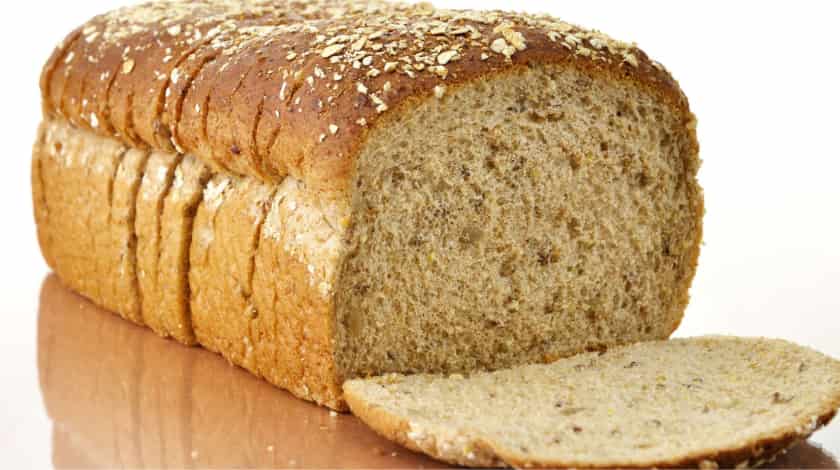
 Mary Berry Wholemeal Bread is a wholesome, nutritious loaf made using wholemeal flour, warm water, yeast, and a touch of sweetness to help the dough rise beautifully. This homemade loaf has a dense yet soft crumb, a lovely earthy flavour, and a golden crust that makes it delicious for breakfast, sandwiches, toast, and everyday meals.
It’s a dependable bread recipe that works well even for beginners, offering a natural, hearty taste that stores well and slices neatly.
What Is Mary Berry Wholemeal Bread?
Mary Berry Wholemeal Bread is a simple yeast-based loaf made with wholemeal flour, warm water, salt, sugar, and a little oil. The dough is kneaded until elastic, left to rise, shaped, placed in a loaf tin, and baked until golden and risen.

Why This Recipe Is Worth Trying
- Nutritious and hearty – Wholemeal flour adds fibre and natural flavour.
- Beginner-friendly – Straightforward kneading and rising steps.
- Versatile loaf – Perfect for toast, sandwiches, or savoury spreads.
- Stays fresh longer – Holds moisture well compared to white bread.
- Budget-friendly – Homemade bread costs far less than store-bought.
- Customisable – Add seeds, grains, or herbs for extra flavour.
Essential Ingredients to Make Mary Berry Wholemeal Bread
- 500g wholemeal flour
- 2 tsp dried yeast (or fast-action yeast)
- 1 tsp salt
- 1 tsp sugar
- 2 tbsp vegetable oil (or olive oil)
- 300–350ml warm water (as needed to form dough)
Handy Kitchen Tools for Best Results
- Large mixing bowl
- Wooden spoon
- Loaf tin
- Tea towel or cling film
- Oven tray
- Cooling rack
Step-by-Step Instructions to Prepare Mary Berry Wholemeal Bread
Step 1: Prepare the yeast mixture
Add warm water, sugar, and yeast to a bowl. Stir lightly and let it sit for 5–10 minutes until frothy. This step confirms that your yeast is active and will help the bread rise properly.
Step 2: Combine dry ingredients
In a large bowl, mix wholemeal flour and salt. Create a well in the centre to pour in the wet ingredients.
Step 3: Form the dough
Add the frothy yeast mixture and oil to the flour. Stir with a wooden spoon, then use your hands to bring the dough together into a soft ball.
Step 4: Knead the dough
Transfer the dough onto a lightly floured surface. Knead for 8–10 minutes until smooth, elastic, and slightly springy.
Step 5: Let the dough rise
Place the dough in an oiled bowl, cover with a tea towel or cling film, and leave it to rise in a warm place for about 1 hour, or until doubled in size.
Step 6: Shape the loaf
Punch down the dough to release air, shape it into a loaf, and place it into a greased loaf tin.
Step 7: Second rise
Cover again and allow the dough to rise for 25–30 minutes until it reaches the top of the tin.
Step 8: Bake the bread
Bake in a preheated oven at 200°C (fan 180°C) for 25–30 minutes, or until the loaf is golden and sounds hollow when tapped on the base.
Step 9: Cool before slicing
Place on a cooling rack to cool completely. This keeps the crumb firm and prevents tearing.
What I Got Wrong (And How I Fixed It)
- Dough didn’t rise well – Warmed water slightly more and ensured yeast was fresh.
- Bread felt too dense – Kneaded longer to improve gluten development.
- Crust became too hard – Covered the loaf with a towel while cooling.
- The middle was undercooked – Extended baking time by 5 minutes and reduced the loaf tin depth.
Healthier Version of Mary Berry Wholemeal Bread
- Use 100% wholemeal flour instead of a wholemeal–white mix.
- Add flaxseeds or chia seeds for omega-3s.
- Use olive oil for a heart-healthy fat source.
- Replace sugar with honey for natural sweetness.
Ingredient Substitutions for Mary Berry Wholemeal Bread
- Use half wholemeal and half white flour for a lighter loaf.
- Swap vegetable oil with melted butter for a richer flavour.
- Replace sugar with maple syrup or honey.
- Use mixed seeds for added texture.
Pairing Ideas: What to Serve With Mary Berry Wholemeal Bread
- Butter and jam – A classic pairing for breakfast.
- Avocado and eggs – Great for a nourishing, balanced meal.
- Soups and stews – Perfect for dipping and hearty meals.
- Cheese and chutney – Ideal for savoury sandwiches.
- Nut butter – Adds protein and flavour for quick snacks.
Expert Tips to Make Perfect Mary Berry Wholemeal Bread
- Use warm—not hot—water – Helps yeast activate without killing it.
- Knead thoroughly – Essential for structure and a springy crumb.
- Allow full rising time – Wholemeal dough needs slightly longer to rise.
- Shape tightly – Ensures the loaf keeps its form while baking.
- Brush top with milk – Gives a softer crust.
- Use a proper loaf tin – Helps create height and shape.
- Cool fully before slicing – Prevents a gummy texture.
Creative Ways to Customize Mary Berry Wholemeal Bread
- Add sunflower or pumpkin seeds – Creates a seeded wholemeal loaf.
- Include herbs like rosemary – Infuses extra flavour.
- Use oats on top – Adds rustic texture.
- Mix in raisins – For a lightly sweet bread.
- Add garlic butter swirl – Makes a savoury, flavour-packed twist.
How to Store Leftover Mary Berry Wholemeal Bread
- Keep in an airtight container – Stays fresh for up to 3 days.
- Refrigerate in hot weather – Prevents mould growth.
- Freeze sliced or whole – Lasts up to 3 months.
- Wrap in foil – Helps maintain softness.
How to Reheat Mary Berry Wholemeal Bread
- Warm in the oven at 150°C for 5 minutes – Restores freshness.
- Microwave for 8 seconds per slice – Softens quickly.
- Toast lightly – Adds crunch and enhances flavour.
Nutritional Value (per slice)
- Calories: ~160
- Carbohydrates: 28g
- Protein: 6g
- Fat: 3g
- Fibre: 3–4g
- Sugar: 1g
Mary Berry Wholemeal Bread Recipe

Mary Berry Wholemeal Bread is a simple yeast-based loaf made with wholemeal flour, warm water, salt, sugar, and a little oil. The dough is kneaded until elastic, left to rise, shaped, placed in a loaf tin, and baked until golden and risen.
- Prep Time: 15
- Cook Time: 25
- Total Time: 40 minutes
- Yield: 1 loaf 1x
- Category: Bread
- Method: Baking
- Cuisine: British
Ingredients
-
500g wholemeal flour
-
2 tsp dried yeast (or fast-action yeast)
-
1 tsp salt
-
1 tsp sugar
-
2 tbsp vegetable oil (or olive oil)
-
300–350ml warm water (as needed to form dough)
Instructions
Add warm water, sugar, and yeast to a bowl. Stir lightly and let it sit for 5–10 minutes until frothy. This step confirms that your yeast is active and will help the bread rise properly.
In a large bowl, mix wholemeal flour and salt. Create a well in the centre to pour in the wet ingredients.
Add the frothy yeast mixture and oil to the flour. Stir with a wooden spoon, then use your hands to bring the dough together into a soft ball.
Transfer the dough onto a lightly floured surface. Knead for 8–10 minutes until smooth, elastic, and slightly springy.
Place the dough in an oiled bowl, cover with a tea towel or cling film, and leave it to rise in a warm place for about 1 hour, or until doubled in size.
Punch down the dough to release air, shape it into a loaf, and place it into a greased loaf tin.
Cover again and allow the dough to rise for 25–30 minutes until it reaches the top of the tin.
Bake in a preheated oven at 200°C (fan 180°C) for 25–30 minutes, or until the loaf is golden and sounds hollow when tapped on the base.
Place on a cooling rack to cool completely. This keeps the crumb firm and prevents tearing.
FAQs
Why is my wholemeal bread turning out dense instead of soft?
Wholemeal bread can become dense if the dough isn’t kneaded long enough or if not enough water is added. Wholemeal flour absorbs more liquid than white flour, so increasing the hydration slightly and kneading for 8–10 minutes helps develop gluten and creates a lighter crumb.
How do I help wholemeal bread rise properly?
Wholemeal dough rises more slowly because of the bran content. Using warm water, fresh yeast, and allowing a longer first rise improves lift. Keeping the dough in a warm, draft-free area also helps it double in size more effectively.
Why does my wholemeal loaf have a hard crust?
A very hard crust usually means the loaf was baked too long or cooled uncovered. Covering the loaf with a clean tea towel while cooling softens the crust by trapping gentle steam, giving a tender finish.
How do I know if wholemeal bread dough has been kneaded enough?
Properly kneaded dough should feel smooth, elastic, and slightly springy when pressed. It should also form a soft windowpane when stretched gently, indicating the gluten network is strong enough for rising.
Final Words
Mary Berry Wholemeal Bread is a simple, reliable recipe that delivers a healthy, flavourful loaf every time. With its soft crumb, wholesome ingredients, and homemade charm, it’s perfect for both everyday meals and special moments around the table. This loaf proves that fresh bread doesn’t need to be complicated—just well-measured, well-kneaded, and baked with care.