 Ekani Ella
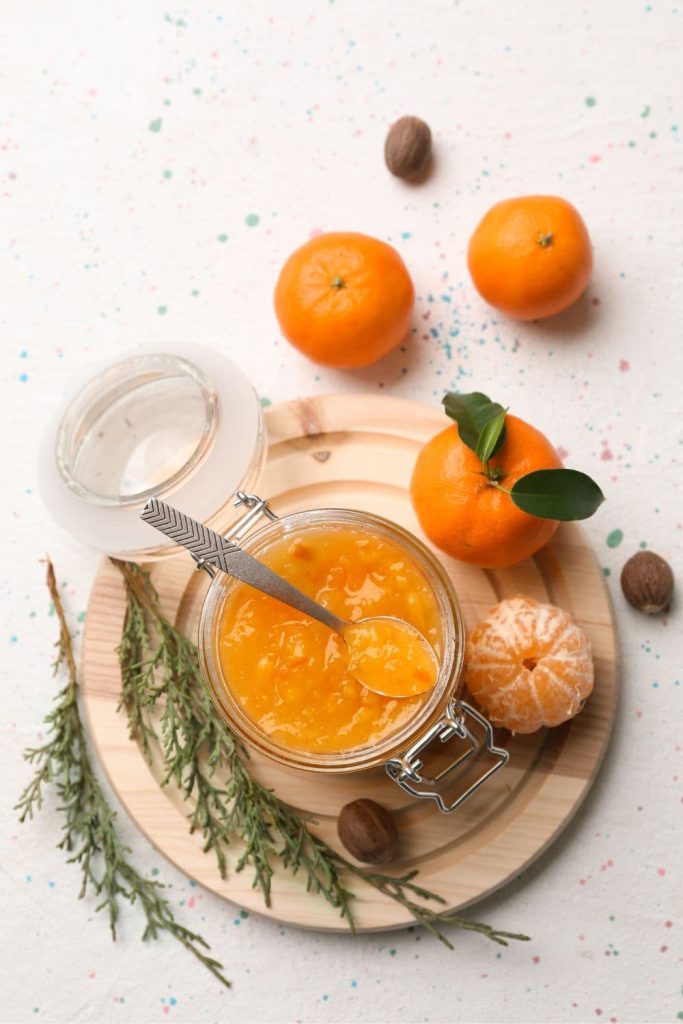
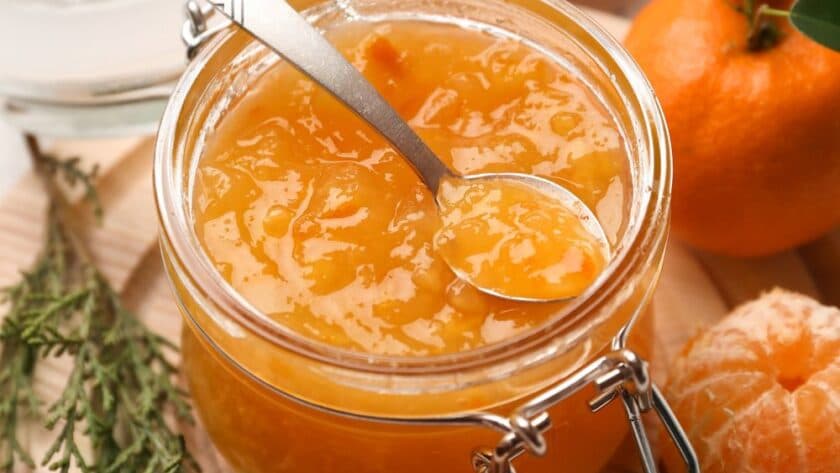
 Mary Berry Marmalade is a timeless, bright, citrusy preserve made with fresh oranges, lemons, and sugar, slowly simmered until thick, glossy, and perfectly set. It’s a classic British breakfast favourite, spread over warm toast, scones, crumpets, or incorporated into cakes and desserts. Homemade marmalade has a depth of flavour and aroma you simply cannot get from store-bought jars. With simple ingredients and a patient simmering process, this recipe allows you to create a beautifully balanced marmalade with a smooth consistency and vibrant colour.
What Is Mary Berry Marmalade?
Mary Berry Marmalade is a traditional citrus preserve made by simmering oranges and lemons until soft, combining them with sugar, and cooking the mixture until it reaches the setting point. It produces a bright, zesty jam-like spread with tiny strips of peel that add flavour and texture.
Other Popular Mary Berry Recipes
Why This Recipe Is Worth Trying
- Pure, fresh citrus flavour – No artificial flavours, just real oranges and lemons.
- Long shelf life – Keeps for months when stored correctly.
- Perfect for breakfasts – A classic topping for toast, scones, or baked goods.
- Beginner-friendly – Uses a simple, reliable process.
- Customisable – Adjust peel thickness, sweetness, and set according to your preference.
- Multipurpose – Great for baking, glazing cakes, or gifting in jars.
Essential Ingredients to Make Mary Berry Marmalade
- 1 kg Seville oranges (or regular oranges if out of season)
- 2 lemons
- 2 litres of water
- 2 kg granulated sugar
Handy Kitchen Tools for Best Results
- Large heavy-bottomed pan
- Sharp knife
- Chopping board
- Muslin cloth or sieve
- Measuring jug
- Long-handled spoon
- Sterilised jars with lids
- Jam thermometer (optional but helpful)
Step-by-Step Instructions to Prepare Mary Berry Marmalade
Step 1: Prepare the citrus
Wash the oranges and lemons thoroughly. Halve the fruits and squeeze out the juice, keeping the pips aside. Slice the peel into thin or thick strips, depending on your preference.
Step 2: Collect the pips
Place the pips and any excess membrane into a muslin cloth and tie securely. These contain natural pectin, which helps the marmalade set.
Step 3: Simmer the fruit
Add sliced peel, juice, and the muslin bag into a large pan with 2 litres of water. Simmer gently for 1½ to 2 hours, or until the peel becomes very soft.
Step 4: Remove the muslin bag
Lift out the muslin bag and squeeze it with a spoon to extract all the pectin-rich liquid back into the pot.
Step 5: Add the sugar
Pour in the granulated sugar and stir continuously over low heat until fully dissolved.
Step 6: Boil to the setting point
Increase the heat and bring the mixture to a rolling boil for 10–15 minutes. Use a jam thermometer (105°C) or the cold-plate test to check if it has reached the setting point.
Step 7: Cool slightly
Allow the marmalade to sit for 10 minutes so the peel distributes evenly and doesn’t float to the top of the jars.
Step 8: Jar the marmalade
Ladle the warm marmalade into sterilised jars, seal tightly, and allow to cool fully. Once cooled, store in a cool, dark place.
What I Got Wrong (And How I Fixed It)
- Marmalade didn’t set – Boiled longer and added pectin-rich juice from extra lemon.
- Peel turned too tough – Ensured a longer simmer before adding sugar.
- Marmalade too bitter – Used less pith and slightly sweeter oranges.
- Peel floated in jars – Let the mixture rest before filling jars.
Healthier Version of Mary Berry Marmalade
- Use half sugar and simmer longer for a softer set.
- Choose organic oranges for better flavour without additives.
- Add honey for part of the sweetness to reduce refined sugar.
- Include orange zest only to lower the bitterness.
Ingredient Substitutions for Mary Berry Marmalade
- Replace Seville oranges with standard oranges when out of season.
- Add limes or grapefruits for mixed citrus marmalade.
- Use jam sugar instead of granulated sugar for easier setting.
- Swap lemons with limes for a sharper flavour.
Pairing Ideas: What to Serve With Mary Berry Marmalade
- Warm toast – A classic combination for breakfast.
- Butter-smeared crumpets – Perfectly absorbent for marmalade.
- Fresh scones – Adds a bright, citrusy lift.
- Victoria sponge – Use as a filling for a citrus twist.
- Greek yoghurt – Adds sweetness to a simple breakfast bowl.
Expert Tips to Make Perfect Mary Berry Marmalade
- Slice peel evenly – Ensures consistent texture throughout the jar.
- Simmer until peel softens fully – Prevents hard peel in finished marmalade.
- Don’t rush the boil – A steady rolling boil helps reach the proper set.
- Warm sugar before adding – Dissolves faster and prevents crystallisation.
- Sterilise jars properly – Ensures long shelf life and freshness.
- Test for set frequently – Avoids over-boiling and thick, stiff marmalade.
- Let marmalade rest before jarring – Prevents peel from floating.
Creative Ways to Customize Mary Berry Marmalade
- Add ginger – Fresh or crystallised ginger gives a warm spice.
- Mix in whisky – Adds depth and is popular in Scottish marmalade.
- Include vanilla – Creates a sweeter, bakery-style flavour.
- Use pink grapefruit – Adds brightness and a hint of acidity.
- Add cinnamon – Creates a beautiful winter-style preserve.
How to Store Leftover Mary Berry Marmalade
- Keep sealed jars in a cool cupboard – Lasts 6–12 months.
- Refrigerate after opening – Stays fresh for up to 1 month.
- Freeze in small containers – Keeps up to 6 months.
- Avoid direct sunlight – Prevents the marmalade from darkening.
How to Reheat Mary Berry Marmalade
Marmalade doesn’t require reheating, but if it becomes too stiff, warm the jar gently by placing it in a bowl of hot water until loosened.
Nutritional Value (per tablespoon)
- Calories: ~55
- Carbohydrates: 14g
- Sugar: 13g
- Fat: 0g
- Sodium: 0mg
- Fibre: Trace amounts
Mary Berry Marmalade Recipe

Mary Berry Marmalade is a traditional citrus preserve made by simmering oranges and lemons until soft, combining them with sugar, and cooking the mixture until it reaches the setting point. It produces a bright, zesty jam-like spread with tiny strips of peel that add flavour and texture.
- Prep Time: 30
- Cook Time: 105
- Total Time: 2 hours 15 minutes
- Yield: 6 jars 1x
- Category: Preserve
- Method: Simmering
- Cuisine: British
Ingredients
-
1 kg Seville oranges (or regular oranges if out of season)
-
2 lemons
-
2 litres of water
-
2 kg granulated sugar
Instructions
Wash the oranges and lemons thoroughly. Halve the fruits and squeeze out the juice, keeping the pips aside. Slice the peel into thin or thick strips depending on your preference.
Place the pips and any excess membrane into a muslin cloth and tie securely. These contain natural pectin, which helps the marmalade set.
Add sliced peel, juice, and the muslin bag into a large pan with 2 litres of water. Simmer gently for 1½ to 2 hours, or until the peel becomes very soft.
Lift out the muslin bag and squeeze it with a spoon to extract all the pectin-rich liquid back into the pot.
Pour in the granulated sugar and stir continuously over low heat until fully dissolved.
Increase the heat and bring the mixture to a rolling boil for 10–15 minutes. Use a jam thermometer (105°C) or the cold-plate test to check if it has reached setting point.
Allow the marmalade to sit for 10 minutes so the peel distributes evenly and doesn’t float to the top of the jars.
Ladle the warm marmalade into sterilised jars, seal tightly, and allow to cool fully. Once cooled, store in a cool, dark place.
FAQs
Why is my marmalade not setting even after boiling?
If your marmalade isn’t reaching the setting point, it may need more natural pectin. Adding the juice of an extra lemon or boiling the mixture for a few more minutes helps thicken it. Make sure the peel is fully softened before adding the sugar, because firm peel prevents proper setting.
How do I get a clear, glossy marmalade instead of a cloudy one?
For a clear finish, dissolve the sugar completely over low heat before bringing the mixture to a boil. Any undissolved grains create cloudiness. Also avoid stirring once it reaches a full boil, as this can introduce air bubbles and dull the appearance.
Why is the peel in my marmalade turning tough?
Tough peel means it wasn’t simmered long enough during the softening stage. Always simmer the peel for at least 1½ hours before adding sugar. Once sugar is added, the peel will not soften further, so the early cooking stage is essential.
How do I stop the peel from floating to the top of the jar?
Allow the marmalade to rest for 10 minutes after reaching setting point. This helps the peel distribute evenly. Stir gently before ladling it into jars, ensuring the peel stays suspended instead of rising.
Final Words
Mary Berry Marmalade is a vibrant, homemade preserve that adds sunshine to any breakfast table. With its rich citrus flavour, glossy finish, and old-fashioned charm, it’s a recipe that feels both nostalgic and rewarding.