 Ekani Ella
 If you’re looking for a cake that’s an absolute ray of sunshine, you’ve found it. Let me tell you about Mary Berry’s Lemon Curd Cake. Imagine the softest, most citrusy sponge, just bursting with fresh lemon zest. Now, picture swirling through a generous amount of creamy, tangy lemon curd before it even hits the oven.
As it bakes, something magical happens: that curd melts right into the crumb, giving you the most incredibly moist and fragrant cake you can imagine. It feels elegant and special, but trust me, the method is wonderfully straightforward. This is my go-to when I want a cake that promises—and delivers—a huge dose of homemade comfort with every single slice. Perfect for a chat over tea or as a refreshing end to any meal.
What Is Mary Berry’s Lemon Curd Cake?
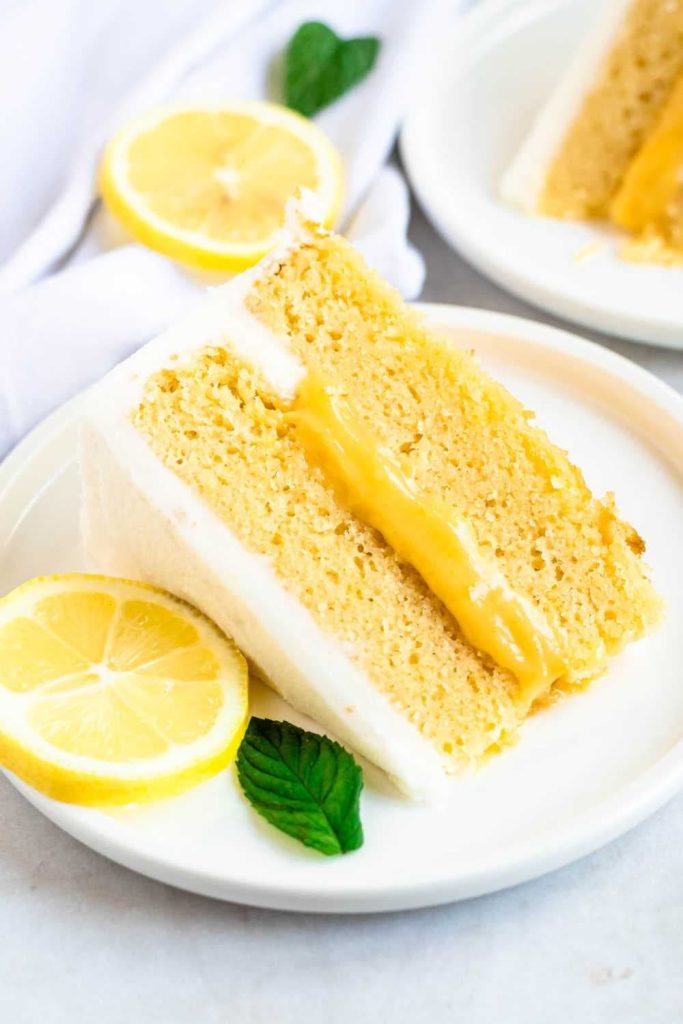
Mary Berry Lemon Curd Cake is a light, tender lemon sponge enhanced with a generous amount of lemon curd either swirled through the batter or layered inside. It’s moist, fragrant, and rich with citrus flavour, making it one of Mary Berry’s most refreshing traditional bakes.
Other Popular Mary Berry Recipes
- Mary Berry Spiced Apple Cake
- Mary Berry Double Chocolate Chip Cookies
- Mary Berry Lemon Courgette Cake
Why This Recipe Is Worth Trying
- Combines fresh lemons and lemon curd for a deep, bright flavour
- Produces a soft, moist cake with a delicate crumb
- Simple to prepare with everyday baking ingredients
- Works as both a simple loaf cake and a decorated round cake
- Perfect choice for lemon lovers and afternoon tea menus
Essential Ingredients to Make Mary Berry Lemon Curd Cake
- 175g self-raising flour
- 150g caster sugar
- 150g butter (softened)
- 3 large eggs
- Zest of 2 lemons
- 2 tbsp lemon juice
- 1 tsp baking powder
- ½ tsp vanilla extract
- Pinch of salt
- 4–5 tbsp high-quality lemon curd (plus extra for serving)
Optional Lemon Icing:
- 100g icing sugar
- 1–2 tbsp fresh lemon juice
Handy Kitchen Tools for Best Results
- Mixing bowls
- Electric hand mixer or whisk
- Spatula
- Loaf tin or round cake tin
- Baking parchment
- Zester and juicer
- Cooling rack
Step-by-Step Guide to Making Mary Berry Lemon Curd Cake
Step 1: Prepare the cake tin
Line a loaf tin or round tin with parchment so the cake lifts out cleanly.
Step 2: Cream the butter and sugar
Beat softened butter and caster sugar until pale, fluffy, and smooth.
Step 3: Add the eggs
Mix in the eggs one at a time, ensuring each one is fully incorporated before adding the next.
Step 4: Combine the dry ingredients
Stir flour, baking powder, and salt in a separate bowl to distribute evenly.
Step 5: Bring the batter together
Fold the dry mixture gently into the creamed mixture, adding lemon zest, lemon juice, and vanilla.
Step 6: Fill the tin
Pour half the batter into the tin, then spoon half the lemon curd in small dollops.
Step 7: Add the remaining batter
Top with the rest of the batter, then swirl the remaining lemon curd on top using a knife.
Step 8: Bake the cake
Bake at 180°C (350°F) for 40–45 minutes until risen, golden, and fully set in the centre.
Step 9: Cool before glazing
Let the cake cool on a rack before adding an optional lemon icing for extra shine.

What I Got Wrong (And How I Fixed It)
- Curds sank — swirling the curd only on the top layer prevented sinking
- Cake cracked too much — baking at a slightly lower temperature helped
- Centre felt too wet — baking 5 minutes longer ensured perfect texture
- Lemon flavour was mild — increasing zest made the cake brighter
Healthier Version of Mary Berry’s Lemon Curd Cake
A lighter version can be made by replacing half the butter with Greek yogurt, reducing sugar slightly, or making a homemade lemon curd with less sugar. The cake still stays soft because of the lemon juice and moisture from the curd.
Ingredient Substitutions for Mary Berry Lemon Curd Cake
- Use lime curd or orange curd for a citrus twist
- Replace butter with coconut oil for a fragrant variation
- Swap self-raising flour with plain flour + baking powder
- Use almond extract instead of vanilla for subtle nuttiness
- Add poppy seeds for texture and visual appeal
Pairing Ideas: What to Serve With Mary Berry Lemon Curd Cake
- Crème fraîche – Brings a pleasant tang to balance sweetness
- Fresh berries – Raspberries pair especially well with citrus
- Whipped cream – Light and airy addition for afternoon tea
- Hot lemon tea – Complements the cake’s brightness
- Vanilla ice cream – Melts beautifully over warm slices
Expert Tips to Make Perfect Lemon Curd Cake
- Use quality lemon curd for the best flavour impact
- Do not overswirl or the curd will disappear into the batter
- Ensure butter is softened for a smooth, airy mixture
- Avoid overbaking to keep the sponge moist
- Use fresh lemons for the strongest citrus aroma
- Tap the tin gently to remove hidden air bubbles
Creative Ways to Customize Mary Berry Lemon Curd Cake
- Add blueberries for fruity bursts throughout the cake
- Top with lemon drizzle for an extra layer of flavour
- Mix in coconut flakes for a tropical twist
- Pipe lemon curd over the top before serving
- Add a cream-cheese topping for a richer dessert-style finish
Storing Mary Berry Lemon Curd Cake the Right Way
- Store at room temperature in an airtight container for 2–3 days
- Refrigerate if you want a firmer texture and longer storage
- Freeze slices individually for up to 2 months
- Avoid storing uncovered as the cake can dry out easily
How to Reheat Cowboy Caviar (If Needed)
Cowboy caviar is traditionally served cold; warm only for a few seconds, if preferred slightly warm.
Nutritional Breakdown (per serving)
- Calories: ~260
- Carbohydrates: 33g
- Protein: 3g
- Fat: 12g
- Sugars: 23g
Mary Berry Lemon Curd Cake

Mary Berry Lemon Curd Cake is a light, tender lemon sponge enhanced with a generous amount of lemon curd either swirled through the batter or layered inside. It’s moist, fragrant, and rich with citrus flavour, making it one of Mary Berry’s most refreshing traditional bakes.
- Prep Time: 15
- Cook Time: 45
- Total Time: 1 hour
- Yield: 8 1x
- Category: Dessert
- Method: Baking
- Cuisine: British
Ingredients
-
175g self-raising flour
-
150g caster sugar
-
150g butter (softened)
-
3 large eggs
-
Zest of 2 lemons
-
2 tbsp lemon juice
-
1 tsp baking powder
-
½ tsp vanilla extract
-
Pinch of salt
-
4–5 tbsp high-quality lemon curd (plus extra for serving)
Optional Lemon Icing:
-
100g icing sugar
-
1–2 tbsp fresh lemon juice
Instructions
Line a loaf tin or round tin with parchment so the cake lifts out cleanly.
Beat softened butter and caster sugar until pale, fluffy, and smooth.
Mix in the eggs one at a time, ensuring each one is fully incorporated before adding the next.
Stir flour, baking powder, and salt in a separate bowl to distribute evenly.
Fold the dry mixture gently into the creamed mixture, adding lemon zest, lemon juice, and vanilla.
Pour half the batter into the tin, then spoon half the lemon curd in small dollops.
Top with the rest of the batter, then swirl the remaining lemon curd on top using a knife.
Bake at 180°C (350°F) for 40–45 minutes until risen, golden, and fully set in the centre.
Let the cake cool on a rack before adding an optional lemon icing for extra shine.
FAQs
Why is my lemon curd sinking to the bottom of the cake?
Lemon curd sinks when too much is added to the lower layer or when it’s mixed too deeply into the batter. Keeping most of the curd on the top layer and swirling it lightly helps it stay near the surface and bake into a glossy ribbon.
How do I stop my lemon curd cake from becoming too dense?
A dense texture usually comes from overmixing once the flour is added. Folding the dry ingredients gently and ensuring the butter is properly softened keeps the sponge light and fluffy.
Why did my lemon curd cake crack on top while baking?
Cracks form when the oven temperature is slightly too high or the tin is too small. Using the correct tin size and baking at 180°C with the rack in the centre of the oven gives a more even rise.
How do I make the lemon flavour stronger in this cake?
Adding extra lemon zest, using freshly squeezed juice, or brushing the warm cake with a light lemon syrup enhances the sharp, citrusy flavour without affecting the texture.
Wrapping It Up
Mary Berry Lemon Curd Cake delivers a perfect blend of moist sponge, bright lemon flavour, and creamy curd richness. It’s simple to prepare, reliable for all skill levels, and ideal for any occasion—from family gatherings to a quiet afternoon treat. With its zesty aroma and soft crumb, this cake is guaranteed to become a favourite.