 Ekani Ella
 Mary Berry Shortcrust Pastry is one of the most dependable pastry recipes you can have in your baking toolkit. Known for its tender crumb, buttery flavour, and easy-to-handle texture, this pastry forms the base for pies, tarts, quiches, and sweet or savoury delights. It delivers a crisp yet melt-in-the-mouth finish that works beautifully with fillings of all kinds.
What Is Mary Berry’s Shortcrust Pastry?
Mary Berry Shortcrust Pastry is a simple dough made from flour, butter, and a small amount of water. It relies on a higher ratio of fat to flour, giving it a flaky yet tender texture. This classic British pastry is used as a base for both savoury and sweet recipes.

Other Popular Mary Berry Recipes
- Mary Berry Gingerbread House
- Mary Berry Celeriac Soup
- Mary Berry Chicken Liver Pâté
- Mary Berry Beef Chow Mein
Why This Recipe Is Worth Trying
- Fool-proof results – Perfect for beginners and experienced bakers.
- Versatile base – Works for pies, tarts, quiches, and savoury bakes.
- Excellent texture – Buttery, crisp, and beautifully flaky.
- Quick to prepare – Only a few basic ingredients needed.
- Freezer-friendly – Can be made ahead for convenience.
Essential Ingredients to Make Mary Berry Shortcrust Pastry
- 225g plain flour – Provides structure for the dough.
- 100g chilled unsalted butter, cubed – Ensures flakiness and flavour.
- 1–2 tablespoons cold water – Helps bring the dough together.
- Pinch of salt – Enhances the pastry’s taste.
Handy Kitchen Tools for Best Results
- Mixing bowl – For combining ingredients quickly.
- Pastry cutter or fingertips – Helps rub the butter into the flour.
- Rolling pin – For flattening the pastry evenly.
- Cling film – Useful for chilling and relaxing the dough.
- Baking beans or dried pulses – Needed for blind baking.
Step-by-Step Guide to Making Mary Berry Shortcrust Pastry
Step 1 — Mix the dry ingredients
Add flour and a pinch of salt to a mixing bowl. Stir gently to combine.
Step 2 — Rub in the butter
Use your fingertips to rub chilled butter into the flour until the mixture resembles fine breadcrumbs. Work quickly to avoid warming the butter.
Step 3 — Add cold water
Sprinkle 1 tablespoon of water first, then add more only if needed. Mix until the dough begins to come together.
Step 4 — Form the dough
Bring the mixture together with your hands to form a soft but firm dough. Avoid kneading to keep the pastry tender.
Step 5 — Chill the dough
Wrap in cling film and refrigerate for 20–30 minutes to relax the gluten and make rolling easier.
Step 6 — Roll the pastry
Lightly flour the surface and roll the dough evenly, turning it occasionally to prevent sticking.
Step 7 — Line your tin
Lift the rolled pastry carefully into your pie or tart tin, pressing gently around the edges.
Step 8 — Blind bake (if required)
Add parchment and baking beans, then bake for 12–15 minutes at 200°C (180°C fan) before adding your filling.

What I Got Wrong (And How I Fixed It)
- Pastry shrinking – Resting the dough longer prevented contraction.
- Tough texture – Handling the dough less kept it tender.
- Cracks while rolling – Adding a teaspoon of extra water solved the dryness.
- Soggy base – Blind baking ensured a crisp bottom.
Healthier Version of Mary Berry Shortcrust Pastry
- Swap half the butter with reduced-fat spread.
- Use wholemeal flour for added fibre.
- Reduce salt slightly for a lighter flavour.
- Add ground almonds for extra nutrients and richness.
- Replace some flour with oat flour for a wholesome twist.
Ingredient Substitutions for Mary Berry Shortcrust Pastry
- Replace butter with margarine for a dairy-free version.
- Use gluten-free flour mix for a coeliac-friendly pastry.
- Try egg yolk instead of water for richer pastry.
- Add icing sugar to make a sweet shortcrust.
- Swap plain flour for pastry flour for extra tenderness.
Pairing Ideas: What to Serve With Mary Berry Shortcrust Pastry
- Fruit tarts – Perfect for summer desserts.
- Savoury quiches – A classic pairing with rich fillings.
- Chicken pie – Holds creamy fillings well.
- Lemon tart – Complements citrus beautifully.
- Seasonal galettes – Rustic and flavourful.
Expert Tips to Make Perfect Mary Berry Shortcrust Pastry
- Keep ingredients cold to maintain flakiness.
- Avoid overworking the dough to prevent toughness.
- Chill before rolling for easier handling.
- Roll evenly to ensure even baking.
- Bake at the right temperature to set the structure.
- Dust lightly with flour to prevent sticking.
- Patch cracks with spare dough while lining the tin.
Creative Ways to Customize Mary Berry Shortcrust Pastry
- Add herbs like thyme or rosemary for savoury pies.
- Mix citrus zest into sweet pastry for aroma.
- Add cocoa powder for chocolate shortcrust.
- Blend nuts into the flour for crunch.
- Add spices like cinnamon in dessert versions.
Storing Mary Berry Shortcrust Pastry the Right Way
- Wrap tightly and store in the fridge for up to 3 days.
- Freeze raw dough for up to 2 months.
- Keep baked pastry cases airtight to maintain crispness.
- Thaw in the fridge overnight for best results.
- Refresh baked cases in the oven before use.
How to Reheat Mary Berry Shortcrust Pastry (If Needed)
- Warm in the oven at 160°C for 5 minutes.
- Avoid microwaving as it softens the pastry.
- Re-crisp blind-baked cases just before filling.
Nutritional Breakdown (per serving)
- Calories: ~220
- Carbohydrates: 25g
- Fat: 12g
- Protein: 3g
- Fibre: 1g
- Sugar: 0g (before adding fillings)
Mary Berry Shortcrust Pastry
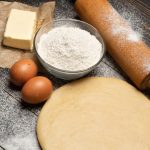
Mary Berry Shortcrust Pastry is a simple dough made from flour, butter, and a small amount of water. It relies on a higher ratio of fat to flour, giving it a flaky yet tender texture. This classic British pastry is used as a base for both savoury and sweet recipes.
- Prep Time: 10
- Cook Time: 15
- Total Time: 25 minutes
- Yield: 1 pastry case
- Category: Pastry
- Method: Baking
- Cuisine: British
Ingredients
-
225g plain flour – Provides structure for the dough.
-
100g chilled unsalted butter, cubed – Ensures flakiness and flavour.
-
1–2 tablespoons cold water – Helps bring the dough together.
-
Pinch of salt – Enhances the pastry’s taste.
Instructions
Add flour and a pinch of salt to a mixing bowl. Stir gently to combine.
Use your fingertips to rub chilled butter into the flour until the mixture resembles fine breadcrumbs. Work quickly to avoid warming the butter.
Sprinkle 1 tablespoon of water first, then add more only if needed. Mix until the dough begins to come together.
Bring the mixture together with your hands to form a soft but firm dough. Avoid kneading to keep the pastry tender.
Wrap in cling film and refrigerate for 20–30 minutes to relax the gluten and make rolling easier.
Lightly flour the surface and roll the dough evenly, turning it occasionally to prevent sticking.
Lift the rolled pastry carefully into your pie or tart tin, pressing gently around the edges.
Add parchment and baking beans, then bake for 12–15 minutes at 200°C (180°C fan) before adding your filling.
FAQs
Why does my shortcrust pastry shrink in the oven?
Shrinking happens when the dough is overworked or not chilled long enough. Allow the pastry to rest in the fridge for at least 20–30 minutes before baking, and avoid stretching it when lining the tin.
How do I stop shortcrust pastry from becoming tough?
Tough pastry results from overmixing. Rub the butter in gently, add only enough water for the dough to come together, and handle it as little as possible to keep the texture light and tender.
How do I prevent a soggy bottom when baking shortcrust pastry?
Blind baking solves this. Line the pastry with baking paper, fill with baking beans, and bake until the edges are firm. Removing the beans and baking for a few more minutes helps dry the base.
Can I make shortcrust pastry in advance?
Yes, the dough can be refrigerated for up to 3 days or frozen for up to 2 months. Thaw it overnight in the fridge before rolling for best results.
Wrapping It Up
Mary Berry Shortcrust Pastry is a simple yet essential recipe that forms the foundation of countless sweet and savoury bakes. With its tender texture and buttery flavour, it’s a recipe you’ll return to again and again.