 Ekani Ella
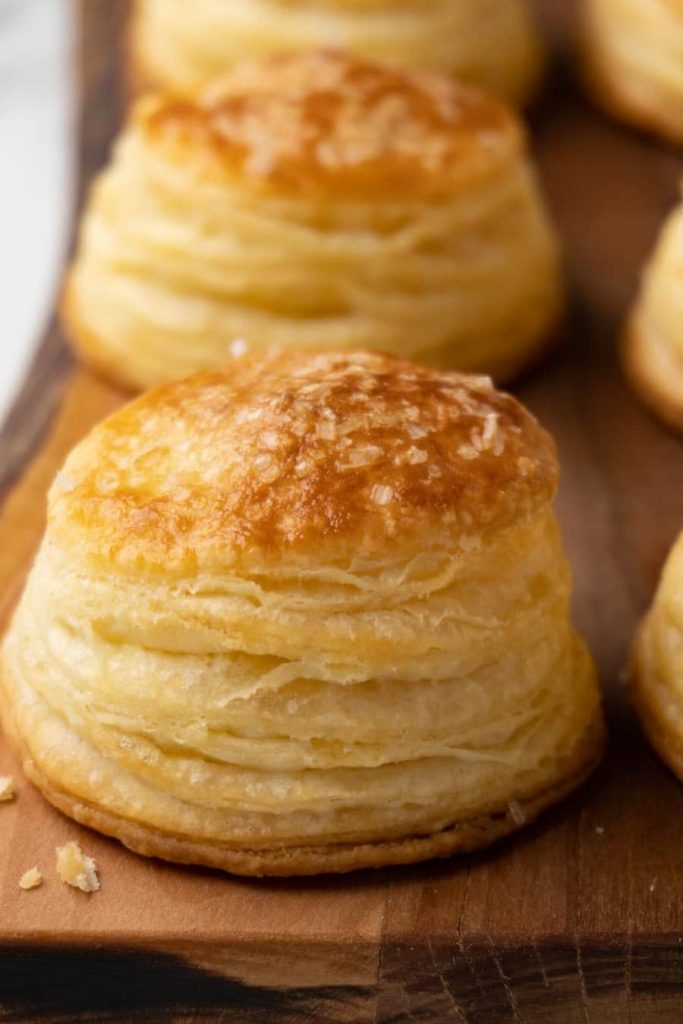
 Mary Berry Rough Puff Pastry is a quick and reliable version of traditional puff pastry, giving you beautiful flaky layers without the long, complex process. This shortcut method uses simple folding and chilling to create a light, buttery dough that works wonderfully for pies, tarts, sausage rolls, and sweet pastries. It’s ideal for busy cooks who want the flavour and texture of homemade pastry in a fraction of the time, making it perfect for both everyday baking and special occasions.
What Is Mary Berry Rough Puff Pastry?
Mary Berry Rough Puff Pastry is a simplified laminated pastry made by rubbing or cutting chunks of cold butter into flour, then folding the dough repeatedly to form thin, flaky layers.
Why This Recipe Is Worth Trying
- Much faster than classic puff pastry – Saves time without sacrificing quality.
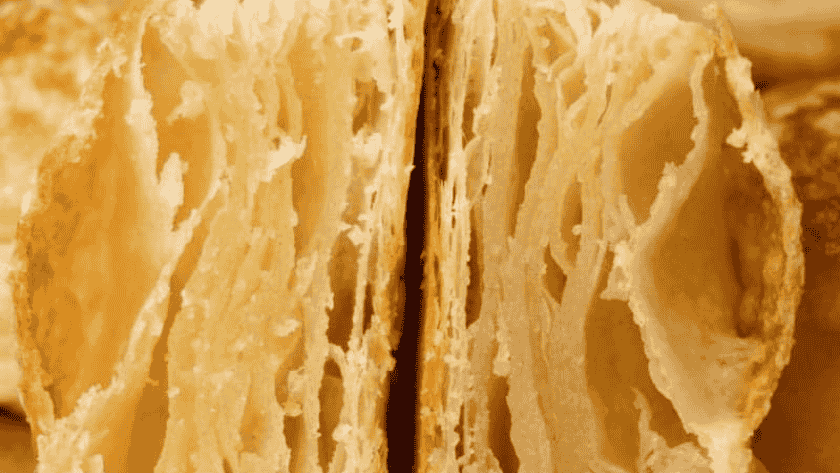
- Beautiful flaky layers – Thanks to cold butter and folding.
- Versatile pastry – Ideal for savoury and sweet bakes.
- Beginner-friendly technique – No specialist skills needed.
- Uses basic pantry ingredients – Flour, butter, salt, and water.
Essential Ingredients to Make Mary Berry Rough Puff Pastry
- 225g plain flour – Forms the structure of the pastry.
- Pinch of salt – Enhances flavour.
- 150g very cold unsalted butter (cut into small cubes) – Creates those flaky layers.
- About 150ml cold water – Brings the dough together.
- Extra flour for dusting – Prevents sticking during rolling.
Handy Kitchen Tools for Best Results
- Large mixing bowl – Makes combining ingredients easy.
- Sharp knife – Helps cut the butter neatly.
- Rolling pin – Essential for flattening and folding the dough.
- Bench scraper – Useful for handling sticky dough.
- Cling film – Keeps the pastry chilled and protected.
- Pastry brush – Removes excess flour between folds.
Step-by-Step Guide to Making Mary Berry Rough Puff Pastry
Step 1 — Mix the dry ingredients
Place the flour and salt into a large bowl, stirring briefly to combine.
Step 2 — Add the butter
Toss the cold butter cubes into the flour. Rub lightly so some butter blends in, but keep most pieces visible to create flakes later.
Step 3 — Add cold water
Pour in the cold water gradually, mixing until the dough just comes together into a rough ball without overworking it.
Step 4 — Shape and chill
Shape into a rectangle, wrap in cling film, and chill for 20 minutes to firm the butter.
Step 5 — Roll the first layer
Roll the dough into a long rectangle. Fold the top third down and the bottom third up (like a letter).
Step 6 — Rotate and repeat
Turn the dough a quarter turn and repeat the rolling and folding. This builds the layers.
Step 7 — Chill between folds
After two folds, chill for 15 minutes, then repeat two more folds for best flakiness.
Step 8 — Rest the pastry
Wrap and chill for at least 30 minutes before using. This relaxes the gluten and firms the layers.
What I Got Wrong (And How I Fixed It)
- Butter melting too fast – Chilling between folds kept it firm.
- Dough tearing during rolling – Letting it rest softened the gluten.
- Pastry shrinking while baking – Keeping it very cold before baking solved the issue.
- Floury layers – Brushing off excess flour during folds improved texture.
Healthier Version of This Rough Puff Pastry
- Use half wholemeal flour for added fibre.
- Swap some butter with a light baking spread.
- Reduce the dough thickness for fewer calories per serving.
- Choose fillings that rely on vegetables or lean proteins.
- Avoid glazing with extra fat to keep it lighter.
Ingredient Substitutions for Mary Berry Rough Puff Pastry
- Replace plain flour with half self-raising flour for a slightly lighter lift.
- Swap butter for plant-based vegan block butter to make it dairy-free.
- Use sparkling water for a slightly airier dough.
- Try salted butter and reduce added salt.
- Add herbs or spices for savoury pastry variations.
Pairing Ideas: What to Serve With Rough Puff Pastry
- Homemade pies – Perfect for savoury fillings like chicken or beef.
- Fruit tarts – Works beautifully with apples, pears, or berries.
- Sausage rolls – Crispy, flaky texture every time.
- Cheese twists – Great for parties or snacks.
- Vegetable bakes – Adds richness and structure.
Expert Tips to Make Perfect Rough Puff Pastry
- Keep everything cold for proper layer formation.
- Handle the dough lightly to avoid melting the butter.
- Chill often between folds for the flakiest result.
- Use a sharp fold to keep layers distinct.
- Rotate the dough consistently to maintain an even layer.
- Avoid overworking to prevent toughness.
- Bake from cold so the pastry rises beautifully.
Creative Ways to Customise This Pastry
- Add cheese between folds for savoury snacks.
- Mix in herbs like thyme or rosemary.
- Sprinkle sugar for a sweet, flaky pastry.
- Add cocoa powder to the flour for a chocolate twist.
- Fold in cinnamon for a warm, sweet variation.
Storing Mary Berry Rough Puff Pastry the Right Way
- Refrigerate for up to 3 days.
- Freeze for up to 2 months.
- Wrap tightly to prevent drying.
- Defrost in the fridge before rolling.
- Chill again after shaping for the best lift when baking.
How to Reheat Rough Puff Pastry (If Needed)
Baked pastry reheats best in a hot oven at 180°C for 5–8 minutes until crisp again. Avoid the microwave as it softens the layers.
Nutritional Breakdown (per serving)
- Calories: ~280
- Carbohydrates: 29g
- Fat: 17g
- Protein: 4g
- Fibre: 1g
- Sugar: 0g
Mary Berry Rough Puff Pastry

Mary Berry Rough Puff Pastry is a simplified laminated pastry made by rubbing or cutting chunks of cold butter into flour, then folding the dough repeatedly to form thin, flaky layers.
- Prep Time: 20
- Total Time: 20 minutes
- Yield: 1 pastry batch
- Category: Pastry
- Method: No-cook
- Cuisine: British
Ingredients
-
225g plain flour – Forms the structure of the pastry.
-
Pinch of salt – Enhances flavour.
-
150g very cold unsalted butter (cut into small cubes) – Creates those flaky layers.
-
About 150ml cold water – Brings the dough together.
-
Extra flour for dusting – Prevents sticking during rolling.
Instructions
Place the flour and salt into a large bowl, stirring briefly to combine.
Toss the cold butter cubes into the flour. Rub lightly so some butter blends in, but keep most pieces visible to create flakes later.
Pour in the cold water gradually, mixing until the dough just comes together into a rough ball without overworking it.
Shape into a rectangle, wrap in cling film, and chill for 20 minutes to firm the butter.
Roll the dough into a long rectangle. Fold the top third down and the bottom third up (like a letter).
Turn the dough a quarter turn and repeat the rolling and folding. This builds the layers.
After two folds, chill for 15 minutes, then repeat two more folds for best flakiness.
Wrap and chill for at least 30 minutes before using. This relaxes the gluten and firms the layers.
FAQs
How do I keep the butter from melting while making rough puff pastry?
Use very cold butter and cold water, and chill the dough between each set of folds. Warm dough causes the butter to blend into the flour, preventing flaky layers from forming.
Why is my rough puff pastry tough instead of flaky?
Tough pastry comes from overworking the dough. Mix and roll only as much as needed, keep folds neat, and avoid pressing too hard. Resting the dough in the fridge relaxes the gluten and improves flakiness.
How many folds does rough puff pastry need for good layers?
Four total folds usually give a perfect balance of structure and lightness. Each fold multiplies the layers, so even a quick method still delivers excellent lift.
Can I freeze rough puff pastry for later use?
Yes, rough puff pastry freezes very well. Wrap tightly, freeze flat, and thaw in the fridge before rolling. It maintains its flakiness and is convenient for future pies or pastries.
Wrapping It Up
Mary Berry Rough Puff Pastry offers all the charm of classic puff pastry with far less effort. Its buttery, flaky texture makes it ideal for countless sweet and savoury recipes, and with simple steps and careful chilling, you’ll achieve a beautifully layered pastry every time.