 Ekani Ella
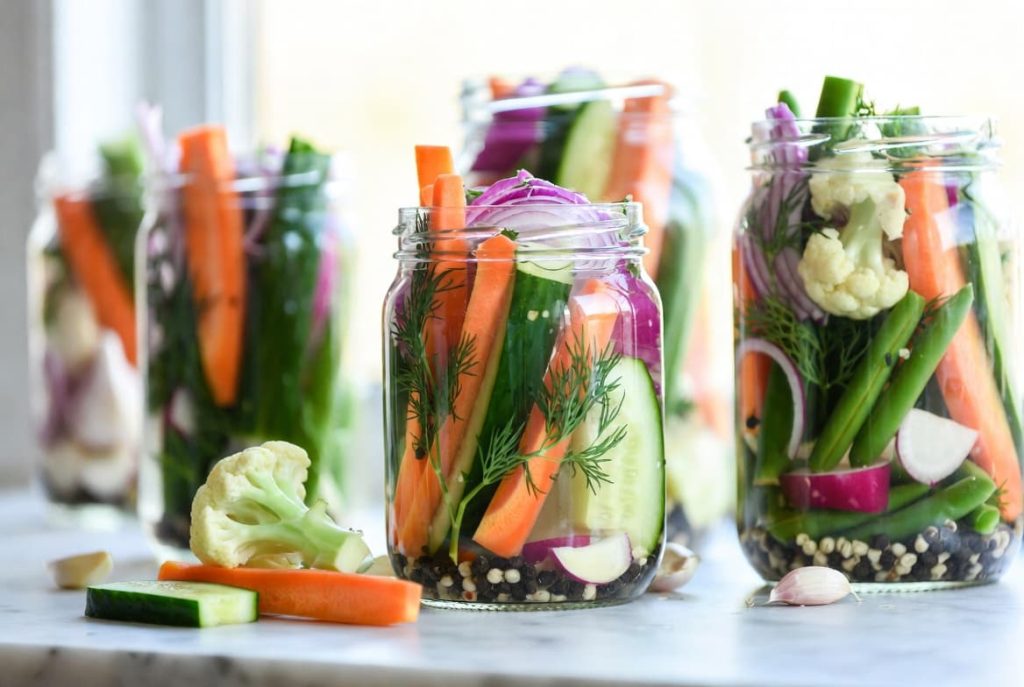
 The Mary Berry Pickled Vegetables are a tangy, crisp, and flavorful preserve made with fresh vegetables, vinegar, and aromatic spices. These pickles offer a perfect balance of sharpness and subtle sweetness, making them ideal for sandwiches, salads, cheese boards, or as a side dish.
This recipe uses ingredients such as carrots, cucumbers, onions, vinegar, sugar, and spices, and it follows the traditional stovetop pickling method. The entire process takes about 25–30 minutes, plus resting time, making it a quick and rewarding way to preserve vegetables at home.
What are Mary Berry’s Pickled Vegetables?
Mary Berry Pickled Vegetables are a classic preserve where fresh vegetables are soaked in a hot vinegar-based solution with spices.
The vinegar acts as a preservative while also adding a sharp, tangy flavor. Sugar balances the acidity, and spices such as mustard seeds or peppercorns add depth.
The result is vegetables that remain slightly crisp while absorbing a bold, tangy, and mildly sweet flavor.
Try Other Mary Berry Recipes
Why This Recipe is Worth Trying
- Bright tangy flavor – Vinegar creates a sharp and refreshing taste.
- Crunchy texture – Vegetables stay crisp after pickling.
- Quick preparation – Ready in under 30 minutes (plus resting time).
- Versatile condiment – Works with many dishes.
- Great for preserving vegetables – Reduces food waste.
- Customizable flavors – Adjust spices and vegetables easily.
Essential Ingredients to Make Mary Berry Pickled Vegetables
- 200 g carrots, sliced
- 200 g cucumbers, sliced
- 1 small red onion, thinly sliced
- 250 ml white vinegar
- 150 ml water
- 2 tbsp granulated sugar
- 1 tsp salt
- 1 tsp mustard seeds
- ½ tsp black peppercorns
- 1 bay leaf
These ingredients create a balanced pickling liquid with a mix of sweet, tangy, and spiced flavors.
Handy Kitchen Tools for Best Results
- Large saucepan
- Sharp knife and cutting board
- Mixing bowl
- Sterilized glass jars
- Ladle
- Measuring cups or a kitchen scale
These tools help ensure even slicing and proper storage.
Step-by-Step Guide to Making Mary Berry Pickled Vegetables
- Prepare the vegetables – Wash and slice carrots, cucumbers, and onions evenly.
- Sterilize the jars – Ensure jars are clean and sterilized before filling.
- Make the pickling liquid – In a saucepan, combine vinegar, water, sugar, salt, mustard seeds, peppercorns, and bay leaf.
- Heat the mixture – Bring the liquid to a gentle boil, stirring until the sugar dissolves.
- Pack the vegetables – Place the sliced vegetables tightly into the jars.
- Pour hot liquid over vegetables – Carefully pour the pickling liquid over the vegetables until fully covered.
- Seal the jars – Close the jars tightly with lids.
- Cool and rest – Allow the jars to cool, then refrigerate for at least 24 hours before using.
What I Got Wrong (And How I Fixed It)
- Vegetables too soft – Using fresh, firm vegetables kept them crisp.
- Uneven slicing – Cutting evenly improves texture and flavor absorption.
- Too much vinegar – Balancing with sugar and water improved the taste.
- Skipping resting time – Allowing time helped flavors develop properly.
Healthier Version of Mary Berry’s Pickled Vegetables
You can reduce the sugar slightly to 1–1.5 tbsp for a less sweet pickle while keeping the tangy flavor.
Another option is adding more vegetables like radishes, cabbage, or bell peppers, which increase fiber and nutrients.
Using apple cider vinegar instead of white vinegar can also provide a milder and slightly healthier alternative.
Ingredient Substitutions for Mary Berry Pickled Vegetables
- White vinegar substitute — Use 250 ml of apple cider vinegar.
- Granulated sugar alternative — Replace with 2 tbsp honey.
- Carrot option — Use 200 g radishes or cauliflower florets.
- Mustard seeds substitute — Use 1 tsp coriander seeds.
- Cucumber variation — Use 200 g zucchini slices.
Pairing Ideas: What to Serve With Mary Berry Pickled Vegetables
- Sandwich filling — Add to sandwiches for extra crunch and flavor.
- Cheese board pairing — Serve alongside cheese for contrast.
- Grilled meat side — Balance rich meats with tangy pickles.
- Salad topping — Add to salads for a sharp bite.
- Burger addition — Use as a topping for burgers or wraps.
Expert Tips to Make Perfect Mary Berry Pickled Vegetables
- Use fresh vegetables — Fresh produce keeps pickles crisp.
- Slice evenly — Uniform pieces absorb flavor better.
- Heat vinegar mixture properly — Dissolve sugar fully before pouring.
- Do not overcook vegetables — Keep them raw for crunch.
- Seal jars tightly — Prevents air from entering.
- Allow resting time — Flavors improve after 24 hours.
- Store in refrigerator — Keeps pickles fresh and safe.
Creative Ways to Customize Mary Berry Pickled Vegetables
- Spicy variation — Add sliced chillies for heat.
- Garlic boost — Add whole garlic cloves for extra flavor.
- Herb infusion — Add dill or thyme for aroma.
- Sweet twist — Increase sugar slightly for sweeter pickles.
- Mixed vegetable option — Add beans, peppers, or cabbage.
Storing Mary Berry Pickled Vegetables the Right Way
- Refrigeration storage — Store in the fridge for up to 2–3 weeks.
- Use airtight jars — Keeps pickles fresh and prevent contamination.
- Keep vegetables submerged — Ensure they stay covered in liquid.
- Use clean utensils — Prevents spoilage.
How to Reheat Mary Berry Pickled Vegetables (If Needed)
Pickled vegetables are served cold or at room temperature, so reheating is not required.
If desired, you can remove them from the refrigerator and let them sit at room temperature for 10–15 minutes before serving.
Nutritional Breakdown (per serving)
- Calories: ~45 kcal
- Carbohydrates: ~9 g
- Fat: ~0 g
- Protein: ~1 g
- Sugar: ~6 g
- Sodium: ~200 mg
Mary Berry Pickled Vegetables Recipe
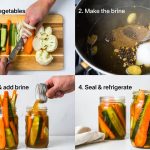
Mary Berry Pickled Vegetables are a classic preserve where fresh vegetables are soaked in a hot vinegar-based solution with spices.
- Prep Time: 10
- Cook Time: 1
- Total Time: 11 minutes
- Yield: 6 1x
- Category: Condiment
- Method: Pickling
- Cuisine: British
Ingredients
- 200 g carrots, sliced
- 200 g cucumbers, sliced
- 1 small red onion, thinly sliced
- 250 ml white vinegar
- 150 ml water
- 2 tbsp granulated sugar
- 1 tsp salt
- 1 tsp mustard seeds
- ½ tsp black peppercorns
- 1 bay leaf
Instructions
- Prepare the vegetables – Wash and slice carrots, cucumbers, and onions evenly.
- Sterilize the jars – Ensure jars are clean and sterilized before filling.
- Make the pickling liquid – In a saucepan, combine vinegar, water, sugar, salt, mustard seeds, peppercorns, and bay leaf.
- Heat the mixture – Bring the liquid to a gentle boil, stirring until the sugar dissolves.
- Pack the vegetables – Place the sliced vegetables tightly into the jars.
- Pour hot liquid over vegetables – Carefully pour the pickling liquid over the vegetables until fully covered.
- Seal the jars – Close the jars tightly with lids.
- Cool and rest – Allow the jars to cool, then refrigerate for at least 24 hours before using.
FAQs
How long do pickled vegetables need to sit before eating?
Pickled vegetables should rest for at least 24 hours to allow the flavors to develop fully.
Can I use different vegetables for pickling?
Yes. Vegetables like cauliflower, radishes, beans, and peppers work well for pickling.
Do pickled vegetables need to be refrigerated?
Yes. Quick-pickled vegetables should be stored in the refrigerator to maintain freshness and safety.
Why are my pickled vegetables soft?
Vegetables can become soft if they are overripe or if hot liquid is poured over them for too long. Using fresh vegetables helps keep them crisp.
Wrapping It Up
Mary Berry Pickled Vegetables are a simple and flavorful way to add a tangy crunch to your meals. With a quick preparation process and customizable ingredients, they are perfect for everyday use.