 Ekani Ella
 Mary Berry Olive Oil Cake is a beautifully light, moist, and aromatic cake made with high-quality olive oil instead of butter. This gives the cake a delicate richness, soft crumb, and a subtle fruity flavour that pairs perfectly with citrus. It’s simple to make, incredibly tender, and ideal for everyday baking, afternoon tea, or special gatherings. The result is a cake that tastes elegant yet comforting, with a texture that stays soft for days thanks to the olive oil.
What Is Mary Berry’s Olive Oil Cake?
Mary Berry Olive Oil Cake is a tender, citrus-scented sponge made using olive oil rather than butter to create a moist, airy texture. It often includes lemon or orange zest, giving it a bright flavour and an Italian-inspired finish.

Other Popular Mary Berry Cake Recipes
Why This Recipe Is Worth Trying
- The olive oil keeps the cake soft and moist for days
- Citrus zest adds brightness without overpowering the cake
- Simple mixing method suitable for beginners
- Pairs well with tea, fruit, whipped cream, or yoghurt
- Naturally dairy-free if made without yoghurt
- Elegant enough for guests yet easy enough for everyday baking
Essential Ingredients to Make Mary Berry Olive Oil Cake
- 200g self-raising flour
- 180g caster sugar
- 3 large eggs
- 150ml high-quality olive oil
- 1 tsp baking powder
- Zest of 1 lemon (or orange)
- 2 tbsp lemon juice (or orange juice)
- 100ml milk or yoghurt (for added tenderness)
- 1 tsp vanilla extract (optional)
Optional Topping
- Icing sugar for dusting
- Fresh berries or whipped cream for serving
Handy Kitchen Tools for Best Results
- 20cm round cake tin
- Baking parchment
- Mixing bowl
- Electric whisk or hand whisk
- Grater for zest
- Jug for wet ingredients
- Cooling rack
Step-by-Step Instructions to Prepare Mary Berry Olive Oil Cake
Step 1: Prepare your tin
Line a 20cm cake tin with baking parchment and lightly grease the sides to help the cake release smoothly after baking.
Step 2: Preheat the oven
Heat the oven to 160°C (fan) or 180°C (conventional) so the cake rises evenly and bakes with a tender crumb.
Step 3: Mix the wet ingredients
Whisk together the eggs, olive oil, lemon zest, lemon juice, and milk (or yoghurt) until smooth and well combined.
Step 4: Add the dry ingredients
Add the flour, caster sugar, and baking powder directly into the bowl. Gently mix until the batter becomes smooth and lump-free without overworking it.
Step 5: Transfer to the tin
Pour the batter into the prepared tin, spreading it evenly to ensure a uniform rise.
Step 6: Bake the cake
Bake for 35–45 minutes, or until the cake is golden and a skewer inserted in the centre comes out clean.
Step 7: Cool the cake
Allow the cake to cool in the tin for 10 minutes, then transfer it to a wire rack to cool completely.
Step 8: Add a topping (optional)
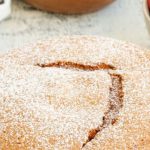
Dust the top with icing sugar or serve with fresh berries for an elegant finish.

What I Got Wrong (And How I Fixed It)
- Cake felt too oily – Reduced olive oil by 20ml
- Flavour was mild – Added extra lemon zest
- Crumb felt heavy – Mixed batter gently and avoided overwhisking
- The top browned too quickly – Lowered oven temperature slightly
Healthier Version of Mary Berry Olive Oil Cake
- Swap sugar with coconut sugar or reduce the sweetness by 20%
- Use wholemeal self-raising flour for added fibre
- Replace milk with almond milk for a dairy-free version
- Add chia seeds or flax seeds for a nutrient boost
Ingredient Substitutions for Mary Berry Olive Oil Cake
- Replace lemon zest with orange zest for a sweeter citrus flavour
- Use light olive oil if you prefer a milder taste
- Swap yoghurt with sour cream for a richer crumb
- Add a splash of vanilla extract for warmth
Pairing Ideas: What to Serve With Mary Berry Olive Oil Cake
- Greek yoghurt for a creamy, tangy contrast
- Fresh berries to add natural sweetness
- Honey drizzle for extra richness
- Whipped cream for a soft, elegant topping
- A cup of Earl Grey tea to complement the citrus notes
Expert Tips to Make Perfect Mary Berry Olive Oil Cake
- Use good-quality olive oil for the best flavour
- Avoid overmixing to prevent a dense texture
- Test the cake early to avoid overbaking
- Zest the citrus finely for better distribution
- Use room-temperature eggs for a smoother batter
- Line the tin fully to prevent sticking
- Allow complete cooling before slicing for clean cuts
Creative Ways to Customize Mary Berry Olive Oil Cake
- Add blueberries or raspberries to the batter
- Mix in poppy seeds for a lemon–poppy seed twist
- Top with a citrus glaze for extra brightness
- Add chopped pistachios or almonds for crunch
- Infuse the milk with herbs like rosemary for a gourmet variation
How to Store Leftover Mary Berry Olive Oil Cake
- Keep in an airtight container for 3–4 days at room temperature
- Refrigerate in warm weather to prevent excess softness
- Freeze slices individually for up to 3 months
- Thaw at room temperature to keep the crumb tender
How to Reheat Mary Berry Olive Oil Cake
- Microwave for 5–6 seconds per slice for a fresh, soft texture
- Warm in the oven at 140°C for a few minutes to revive the crumb
- Avoid high heat to prevent dryness
Nutritional Value (per slice)
- Calories: ~300
- Carbohydrates: 38g
- Protein: 4g
- Fat: 15g
- Sugar: 25g
- Fibre: 1g
Mary Berry Olive Oil Cake

Mary Berry Olive Oil Cake is a tender, citrus-scented sponge made using olive oil rather than butter to create a moist, airy texture. It often includes lemon or orange zest, giving it a bright flavour and an Italian-inspired finish.
- Prep Time: 15
- Cook Time: 45
- Total Time: 1 hour
- Yield: 10 slices 1x
- Category: Cake
- Method: Baking
- Cuisine: British
Ingredients
-
200g self-raising flour
-
180g caster sugar
-
3 large eggs
-
150ml high-quality olive oil
-
1 tsp baking powder
-
Zest of 1 lemon (or orange)
-
2 tbsp lemon juice (or orange juice)
-
100ml milk or yoghurt (for added tenderness)
-
1 tsp vanilla extract (optional)
Optional Topping
-
Icing sugar for dusting
-
Fresh berries or whipped cream for serving
Instructions
Line a 20cm cake tin with baking parchment and lightly grease the sides to help the cake release smoothly after baking.
Heat the oven to 160°C (fan) or 180°C (conventional) so the cake rises evenly and bakes with a tender crumb.
Whisk together the eggs, olive oil, lemon zest, lemon juice, and milk (or yoghurt) until smooth and well combined.
Add the flour, caster sugar, and baking powder directly into the bowl. Gently mix until the batter becomes smooth and lump-free without overworking it.
Pour the batter into the prepared tin, spreading it evenly to ensure a uniform rise.
Bake for 35–45 minutes, or until the cake is golden and a skewer inserted in the centre comes out clean.
Allow the cake to cool in the tin for 10 minutes, then transfer it to a wire rack to cool completely.
Dust the top with icing sugar or serve with fresh berries for an elegant finish.
FAQs
Why is my olive oil cake coming out dense instead of light?
A dense olive oil cake usually means the batter was overmixed after adding the flour. Mix only until the ingredients come together, and always use room-temperature eggs to help the batter stay airy and smooth.
What type of olive oil is best for Mary Berry’s olive oil cake?
Extra-light or mild olive oil works best when you want a subtle flavour, while extra-virgin olive oil adds a more pronounced fruity note. Avoid strong or bitter varieties, as they can overpower the cake.
How do I keep my olive oil cake moist for days?
Olive oil naturally keeps the crumb soft, but storing the cake in an airtight container once fully cooled helps retain moisture. Adding yoghurt or milk to the batter also improves tenderness and keeps the cake fresh for longer.
Why did the top of my olive oil cake crack?
Cracking often happens when the oven is too hot or the batter rises quickly. Lowering the oven temperature by 10–15°C and placing the tin on the middle shelf helps the cake bake evenly with fewer cracks.
Final Words
Mary Berry Olive Oil Cake is a wonderfully soft, moist, and fragrant bake that feels both simple and refined. With its delicate citrus notes, tender crumb, and effortless preparation, it’s the perfect recipe for home bakers who want a cake that feels light yet full of flavour. This is a loaf you’ll find yourself baking repeatedly—easy to love, easy to master, and delicious every time.