 Ekani Ella
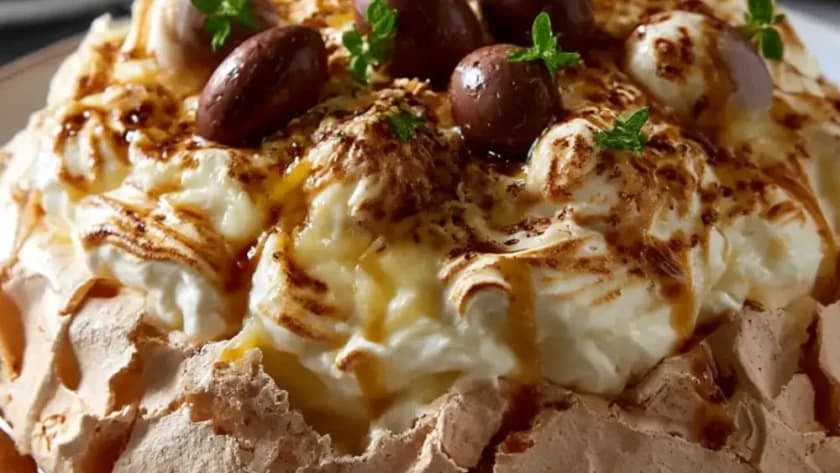
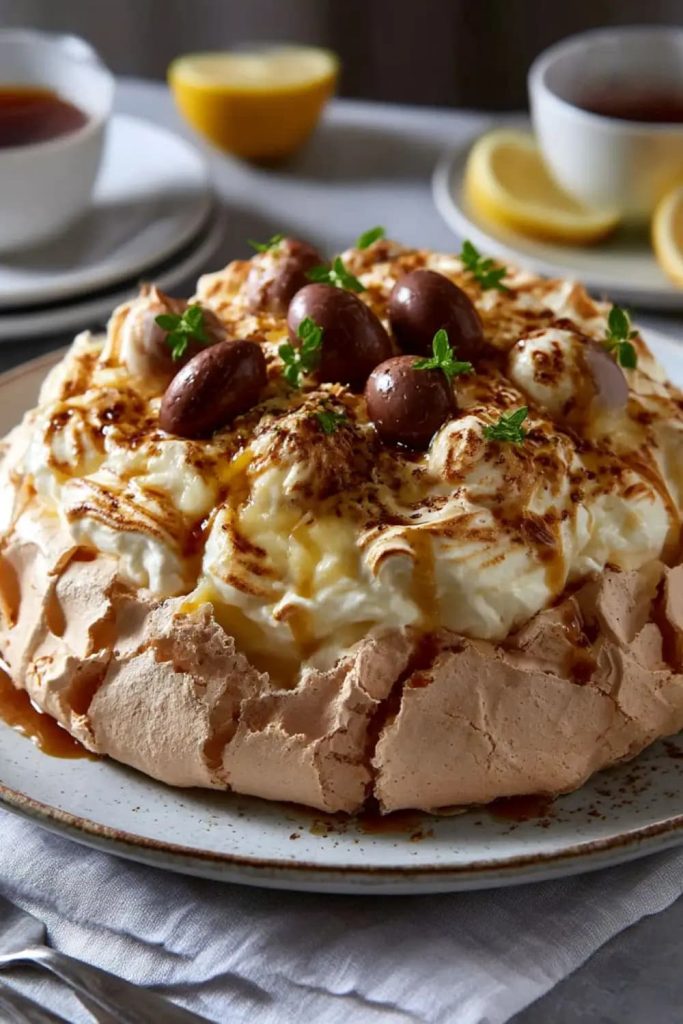
 If you want a show-stopping dessert that feels light yet festive, Mary Berry Easter Pavlova is a beautiful choice. Crisp on the outside, marshmallow-soft in the centre, and topped with whipped cream and fresh spring fruits, this pavlova captures the freshness of the season perfectly. It’s baked low and slow in the oven, then cooled gradually to prevent cracks.
Ideal for Easter gatherings, Sunday lunches, or special celebrations, this elegant dessert requires simple ingredients but delivers impressive results.
What Is Mary Berry Easter Pavlova?
Mary Berry Easter Pavlova is a traditional meringue-based dessert featuring a crisp shell and soft interior. The base is made from whipped egg whites and sugar, baked until set, and topped with lightly sweetened cream and colourful fruits such as strawberries, raspberries, or passion fruit. Unlike dense cakes, pavlova feels airy and delicate, making it a refreshing end to a rich Easter meal.
Other Popular Mary Berry Recipes
- Mary Berry Simnel Cake
- Mary Berry Easter Lamb Shoulder
- Mary Berry Easter Biscuits
- Mary Berry Bolognese Sauce
Why This Recipe Is Worth Trying
- Light and airy texture – Perfect after a hearty meal.
- Beautiful presentation – A centrepiece dessert.
- Simple ingredients – Eggs, sugar, and cream form the base.
- Make-ahead friendly – Bake the meringue in advance.
- Customisable toppings – Endless fruit combinations.
Essential Ingredients to Make Mary Berry Easter Pavlova
- Egg whites – 4 large, at room temperature
- Caster sugar – 225g
- Cornflour – 1 teaspoon
- White wine vinegar – 1 teaspoon
- Double cream – 300ml
- Icing sugar – 1 tablespoon
- Vanilla extract – 1 teaspoon
- Fresh strawberries – 150g, sliced
- Fresh raspberries – 100g
- Passion fruit – 2, pulp scooped out
Handy Kitchen Tools for Best Results
- Electric mixer
- Large mixing bowl
- Baking tray
- Baking parchment
- Spatula
- Cooling rack
Step-by-Step Guide to Making Mary Berry Easter Pavlova
- Preheat gently – Set oven to 150°C (130°C fan). Line a baking tray with parchment and draw a 20cm circle as a guide.
- Whip egg whites – Beat egg whites until stiff peaks form. The mixture should hold its shape firmly.
- Add sugar gradually – Spoon in caster sugar one tablespoon at a time, whisking well after each addition until glossy.
- Stabilise mixture – Fold in cornflour and vinegar gently to help create a marshmallow-like centre.
- Shape the pavlova – Spoon meringue onto parchment, forming a round with slightly raised edges.
- Bake slowly – Reduce oven temperature to 140°C and bake for 1 hour.
- Cool completely – Turn off oven and leave pavlova inside with the door slightly open until fully cool.
- Prepare topping – Whip cream with icing sugar and vanilla until softly thickened.
- Assemble carefully – Spread cream over the cooled base and top with fresh fruit just before serving.
What I Got Wrong (And How I Fixed It)
- Adding sugar too quickly – Caused grainy texture; gradual addition creates smooth meringue.
- Opening the oven early – Led to cracking; cooling slowly prevents collapse.
- Overwhipping cream – Made topping heavy; soft peaks work best.
- Skipping parchment guide – Resulted in uneven shape.
Ingredient Substitutions for Mary Berry Easter Pavlova
- Caster sugar – Replace 225g caster sugar with 225g superfine sugar.
- Vinegar – Substitute 1 teaspoon lemon juice.
- Double cream – Swap 300ml double cream with whipping cream.
- Passion fruit – Replace with 100g mango cubes for sweetness.
Pairing Ideas: What to Serve With Mary Berry Easter Pavlova
- Fresh mint leaves – Adds colour and freshness.
- Berry coulis – Enhances fruit flavour.
- Dark chocolate shavings – Provides contrast.
- Sparkling lemonade – Light beverage pairing.
- Coffee or tea – Complements sweetness.
Expert Tips to Make Perfect Mary Berry Easter Pavlova
- Ensure bowl is grease-free – Any fat prevents egg whites from whipping.
- Use room temperature eggs – Whip more easily and create volume.
- Add sugar slowly – Ensures a glossy finish.
- Bake at low heat – Prevents browning too quickly.
- Cool gradually – Avoids sudden collapse.
- Assemble before serving – Keeps meringue crisp.
- Store base separately – Prevents moisture absorption.
Creative Ways to Customize Mary Berry Easter Pavlova
- Chocolate swirl – Fold melted chocolate into the meringue lightly.
- Mini pavlovas – Create individual nests.
- Citrus zest topping – Adds brightness.
- Toasted coconut – Provides texture.
- Seasonal fruits – Use kiwi, blueberries, or pomegranate.
Storing Mary Berry Easter Pavlova the Right Way
- Store meringue base airtight – Keeps for 2 days at room temperature.
- Refrigerate assembled pavlova – Best eaten within 24 hours.
- Avoid humid areas – Moisture softens meringue.
How to Reheat Mary Berry Easter Pavlova (If Needed)
Pavlova should not be reheated. If the base softens slightly, place it in a low oven (120°C) for 10 minutes to crisp before cooling again.
Nutritional Breakdown (per serving)
- Calories: ~320 kcal
- Carbohydrates: ~42 g
- Fat: ~15 g
- Protein: ~4 g
- Sugar: ~38 g
Mary Berry Easter Pavlova
Mary Berry Easter Pavlova is a traditional meringue-based dessert featuring a crisp shell and soft interior. The base is made from whipped egg whites and sugar, baked until set, and topped with lightly sweetened cream and colourful fruits such as strawberries, raspberries, or passion fruit. Unlike dense cakes, pavlova feels airy and delicate, making it a refreshing end to a rich Easter meal.
- Prep Time: 20
- Cook Time: 60
- Total Time: 1 hour 20 minutes
- Yield: 8
- Category: Dessert
- Method: Baking
- Cuisine: British
Ingredients
-
Egg whites – 4 large, at room temperature
-
Caster sugar – 225g
-
Cornflour – 1 teaspoon
-
White wine vinegar – 1 teaspoon
-
Double cream – 300ml
-
Icing sugar – 1 tablespoon
-
Vanilla extract – 1 teaspoon
-
Fresh strawberries – 150g, sliced
-
Fresh raspberries – 100g
-
Passion fruit – 2, pulp scooped out
Instructions
-
Preheat gently – Set oven to 150°C (130°C fan). Line a baking tray with parchment and draw a 20cm circle as a guide.
-
Whip egg whites – Beat egg whites until stiff peaks form. The mixture should hold its shape firmly.
-
Add sugar gradually – Spoon in caster sugar one tablespoon at a time, whisking well after each addition until glossy.
-
Stabilise mixture – Fold in cornflour and vinegar gently to help create a marshmallow-like centre.
-
Shape the pavlova – Spoon meringue onto parchment, forming a round with slightly raised edges.
-
Bake slowly – Reduce oven temperature to 140°C and bake for 1 hour.
-
Cool completely – Turn off oven and leave pavlova inside with the door slightly open until fully cool.
-
Prepare topping – Whip cream with icing sugar and vanilla until softly thickened.
-
Assemble carefully – Spread cream over cooled base and top with fresh fruit just before serving.
FAQs
Why did my pavlova crack in the oven?
Pavlova cracks when the oven temperature is too high or the meringue cools too quickly. Bake at a low temperature and avoid opening the oven door during baking. Once finished, turn off the oven and allow the pavlova to cool slowly inside with the door slightly open. Gradual cooling helps prevent deep cracks and collapse.
How do I know when the pavlova base is ready?
The pavlova is ready when the outside feels dry and crisp to the touch but still slightly soft underneath. It should lift easily from the parchment once cooled. If the centre feels sticky and wet after cooling, it needs a few more minutes in the oven.
Why is my pavlova soft or sticky underneath?
A soft or sticky base usually means it was underbaked or stored in a humid environment. Make sure to bake it for the full time and let it cool completely in the oven. Store the base in an airtight container at room temperature to keep it crisp.
Can I make the pavlova base ahead of time?
Yes, the meringue base can be made 1–2 days in advance. Once completely cooled, store it in an airtight container at room temperature. Add whipped cream and fruit just before serving to maintain the crisp texture.
Wrapping It Up
Mary Berry Easter Pavlova is light, elegant, and beautifully suited for spring celebrations. With its crisp shell and soft centre, topped with fresh fruit and cream, it offers balance and visual appeal. Once you master the gentle baking and slow cooling method, this pavlova becomes a reliable dessert that never fails to impress.