
 Ekani Ella
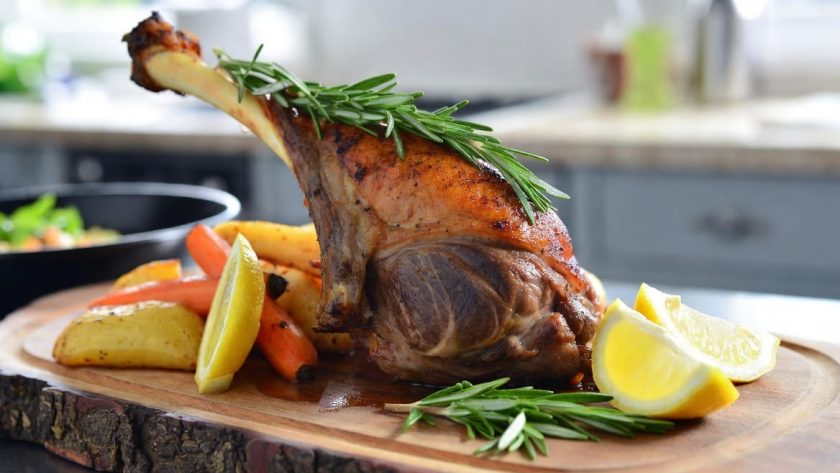
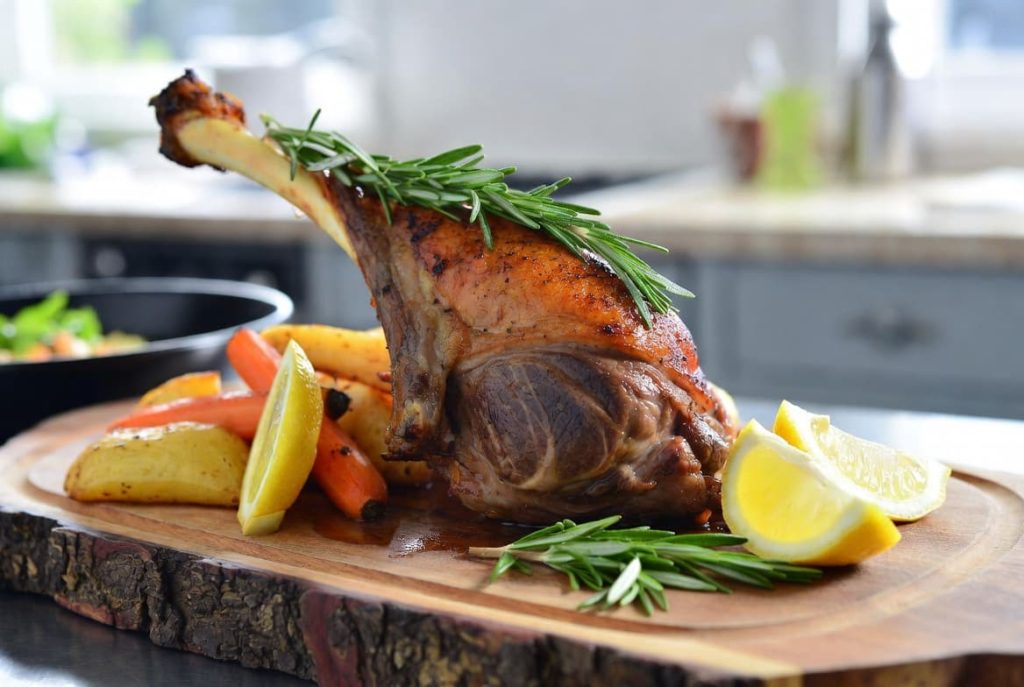
 A beautifully roasted joint of lamb is the heart of many Easter tables, and Mary Berry Easter Lamb Shoulder is a comforting, flavour-packed choice. Slow-roasted until tender, infused with garlic, rosemary, and lemon, this dish delivers rich, succulent meat that practically falls apart. Lamb shoulder is perfect for slow cooking because its marbled fat keeps the meat moist and full of flavour. Ideal for Easter Sunday lunch, family gatherings, or special celebrations, this oven-roasted classic requires patience more than effort.
What Is Mary Berry Easter Lamb Shoulder?
Mary Berry Easter Lamb Shoulder is a traditional British roast featuring bone-in lamb shoulder seasoned with herbs, garlic, and citrus. Unlike quicker-cooking cuts, shoulder benefits from slow roasting, which allows the connective tissue to break down and create a melt-in-the-mouth texture. The result is tender, deeply flavoured lamb with crisp edges and a rich roasting gravy.
Other Popular Mary Berry Recipes
- Mary Berry Simnel Cake
- Mary Berry Easter Pavlova
- Mary Berry Easter Biscuits
- Mary Berry Bolognese Sauce
Why This Recipe Is Worth Trying
- Deep flavour – Slow roasting enhances natural richness.
- Tender texture – Meat becomes soft and easy to carve.
- Traditional Easter centrepiece – Perfect for festive gatherings.
- Minimal preparation – Simple seasoning delivers big results.
- Excellent leftovers – Ideal for sandwiches and salads.
Essential Ingredients to Make Mary Berry Easter Lamb Shoulder
- Lamb shoulder (bone-in) – 2.2kg
- Garlic cloves – 4, sliced
- Fresh rosemary – 2 tablespoons, chopped
- Lemon zest – from 1 lemon
- Olive oil – 2 tablespoons
- Sea salt – 1½ teaspoons
- Freshly ground black pepper – 1 teaspoon
- Onion – 1 large, sliced
- Lamb or chicken stock – 250ml
Handy Kitchen Tools for Best Results
- Large roasting tin
- Sharp knife
- Meat thermometer
- Aluminium foil
- Carving knife
- Basting spoon
Step-by-Step Guide to Making Mary Berry Easter Lamb Shoulder
- Preheat the oven – Set oven to 170°C (150°C fan).
- Prepare the lamb – Pat dry and score the skin lightly in a criss-cross pattern.
- Insert flavour – Push garlic slices and rosemary into small slits across the surface.
- Season generously – Rub with olive oil, lemon zest, salt, and pepper.
- Prepare roasting base – Scatter sliced onions in the roasting tin and place the lamb on top.
- Add moisture – Pour stock around the base (not over the lamb).
- Roast slowly – Cover loosely with foil and roast for 3–3½ hours.
- Crisp the exterior – Remove foil for the final 30 minutes to brown the skin.
- Rest properly – Allow the lamb to rest under foil for 20–30 minutes before carving.
What I Got Wrong (And How I Fixed It)
- Roasting at high heat – Resulted in tough meat; lowering the temperature improved tenderness.
- Skipping resting time – Juices escaped; resting locks moisture in.
- Under-seasoning – Lamb needs confident seasoning.
- Not using stock – Caused dry base; liquid keeps roasting environment moist.
Ingredient Substitutions for Mary Berry Easter Lamb Shoulder
- Fresh rosemary – Replace 2 tablespoons fresh rosemary with 2 teaspoons dried rosemary.
- Olive oil – Substitute 2 tablespoons of olive oil with sunflower oil.
- Lemon zest – Replace with 1 tablespoon lemon juice for milder citrus.
- Lamb stock – Use 250ml vegetable stock if preferred.
Pairing Ideas: What to Serve With Mary Berry Easter Lamb Shoulder
- Roast potatoes – Classic crisp accompaniment.
- Mint sauce – Brightens rich lamb flavour.
- Steamed green beans – Adds freshness.
- Yorkshire puddings – Traditional British touch.
- Spring salad – Light contrast to roasted meat.
Expert Tips to Make Perfect Mary Berry Easter Lamb Shoulder
- Choose quality lamb – Good marbling improves flavour.
- Score lightly only – Avoid cutting too deep into the meat.
- Cook low and slow – Essential for tenderness.
- Baste occasionally – Enhances moisture.
- Check internal temperature – Aim for 90°C for fall-apart texture.
- Rest before carving – Allows juices to redistribute.
- Carve against the grain – Improves tenderness.
Creative Ways to Customize Mary Berry Easter Lamb Shoulder
- Add anchovies – For subtle depth of flavour.
- Use thyme instead of rosemary – For a different herbal note.
- Include root vegetables – Roast carrots and parsnips alongside.
- Spice variation – Add cumin and coriander for warmth.
- Honey glaze finish – Brush lightly for caramelised crust.
Storing Mary Berry Easter Lamb Shoulder the Right Way
- Refrigerate leftovers – Store in an airtight container up to 3 days.
- Freeze portions – Wrap tightly for up to 2 months.
- Keep gravy separate – Maintains texture.
How to Reheat Mary Berry Easter Lamb Shoulder (If Needed)
Reheat slices gently in a covered dish at 160°C with a splash of stock to prevent drying. Heat until warmed through, about 15–20 minutes.
Nutritional Breakdown (per serving)
- Calories: ~520 kcal
- Carbohydrates: ~3 g
- Fat: ~35 g
- Protein: ~45 g
- Sugar: ~1 g
Mary Berry Easter Lamb Shoulder Recipe
Mary Berry Easter Lamb Shoulder is a traditional British roast featuring bone-in lamb shoulder seasoned with herbs, garlic, and citrus. Unlike quicker-cooking cuts, shoulder benefits from slow roasting, which allows the connective tissue to break down and create melt-in-the-mouth texture. The result is tender, deeply flavoured lamb with crisp edges and a rich roasting gravy.
- Prep Time: 20
- Cook Time: 210
- Total Time: 3 hours 50 minutes
- Yield: 6
- Category: Main Course
- Method: Slow Oven Roasting
- Cuisine: American
Ingredients
-
Lamb shoulder (bone-in) – 2.2kg
-
Garlic cloves – 4, sliced
-
Fresh rosemary – 2 tablespoons, chopped
-
Lemon zest – from 1 lemon
-
Olive oil – 2 tablespoons
-
Sea salt – 1½ teaspoons
-
Freshly ground black pepper – 1 teaspoon
-
Onion – 1 large, sliced
-
Lamb or chicken stock – 250ml
Instructions
-
Preheat the oven – Set oven to 170°C (150°C fan).
-
Prepare the lamb – Pat dry and score the skin lightly in a criss-cross pattern.
-
Insert flavour – Push garlic slices and rosemary into small slits across the surface.
-
Season generously – Rub with olive oil, lemon zest, salt, and pepper.
-
Prepare roasting base – Scatter sliced onions in the roasting tin and place lamb on top.
-
Add moisture – Pour stock around the base (not over the lamb).
-
Roast slowly – Cover loosely with foil and roast for 3–3½ hours.
-
Crisp the exterior – Remove foil for the final 30 minutes to brown the skin.
-
Rest properly – Allow the lamb to rest under foil for 20–30 minutes before carving.
FAQs
How do I know when lamb shoulder is cooked properly?
Lamb shoulder is ready when the meat feels very tender and pulls apart easily with a fork. For a fall-apart texture, the internal temperature should reach around 90°C. If using a thermometer, insert it into the thickest part without touching the bone.
Should I cover the lamb shoulder with foil while roasting?
Yes, covering the lamb loosely with foil during most of the cooking time helps retain moisture and prevents the surface from burning. Remove the foil during the last 30 minutes to allow the skin to brown and crisp.
Why is my roast lamb shoulder tough?
Tough lamb usually means it was cooked too quickly or at too high a temperature. Lamb shoulder needs low, slow roasting so the connective tissue breaks down properly. Cooking at 170°C (150°C fan) for several hours ensures tenderness.
How long should I rest lamb shoulder before carving?
Rest the lamb for at least 20–30 minutes after removing it from the oven. Cover it loosely with foil during resting. This allows the juices to redistribute, keeping the meat moist and easier to carve.
Wrapping It Up
Mary Berry Easter Lamb Shoulder is a timeless centrepiece that combines slow roasting with simple seasoning to create tender, flavourful meat. With patience and careful resting, you achieve a dish worthy of any Easter celebration. Once mastered, this roast becomes a dependable and impressive addition to your festive table.


