
 Ekani Ella
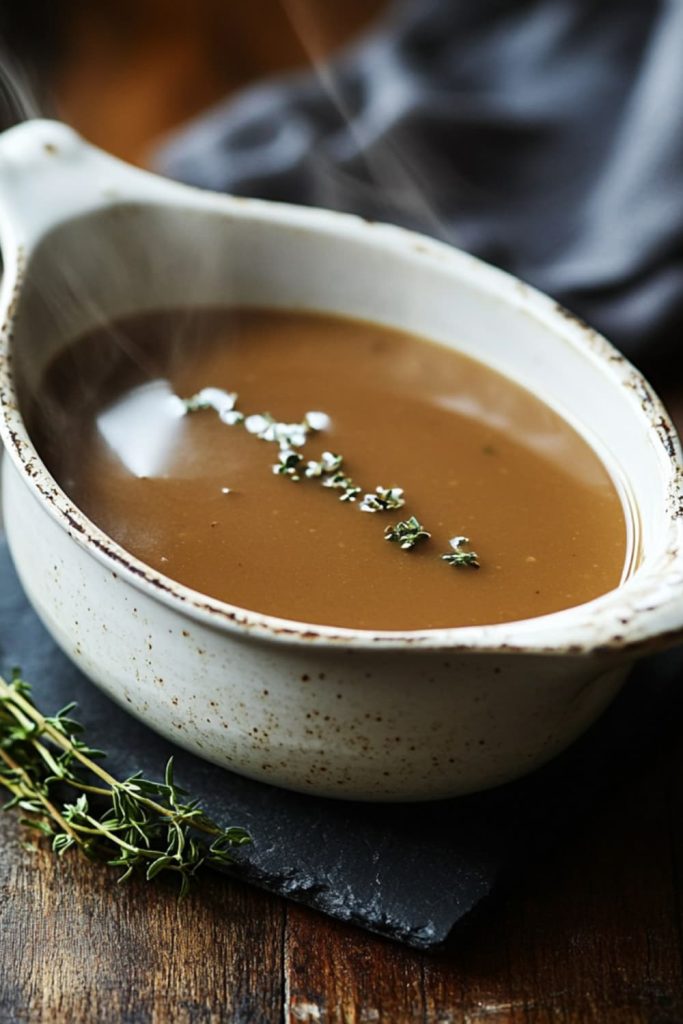
 Mary Berry’s Christmas gravy is a rich, smooth, and deeply savoury sauce that brings the whole festive meal together. Made from turkey roasting juices, stock, and a simple flour base, this gravy has a well-balanced flavour that is full without being heavy. It is perfect for Christmas lunch, Sunday roasts, and special family meals. Prepared on the stovetop, it is straightforward, reliable, and designed to complement turkey rather than overpower it.
What Is Mary Berry’s Turkey Christmas Gravy?
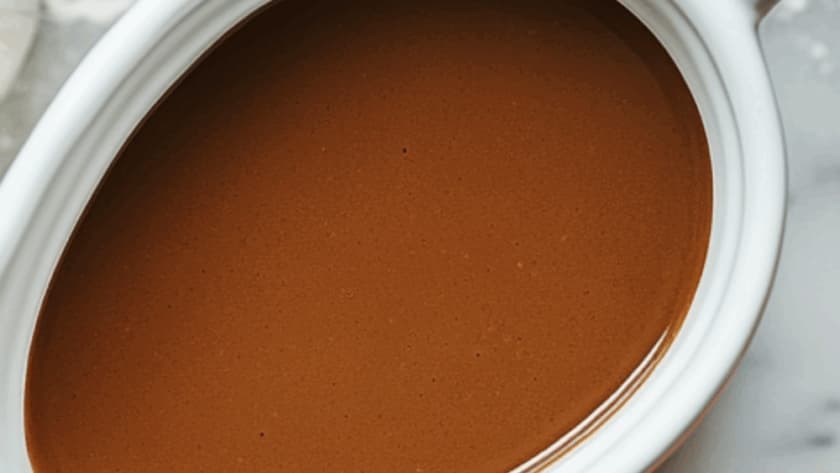
Mary Berry’s Christmas gravy is a traditional British roast gravy made using pan juices from the turkey, combined with flour and stock to create a smooth, glossy sauce. The focus is on depth of flavour, proper seasoning, and a lump-free texture. It is not overly thick or greasy, allowing it to pour easily over turkey, potatoes, and vegetables.
Why This Recipe Is Worth Trying
- Classic roast flavour – Perfectly suited to Christmas turkey
- Smooth, lump-free texture – Easy to achieve with the right method
- Uses pan juices – No waste, maximum flavour
- Quick to finish – Ready in minutes once the turkey is cooked
- Crowd-pleasing staple – Works with all festive sides
Essential Ingredients to Make Mary Berry Christmas Turkey Gravy
- Turkey roasting juices – from the roasting tin
- Plain flour – 2 tablespoons
- Turkey or chicken stock – 600 ml, hot
- Unsalted butter (if needed) – 25 g
- Salt – to taste
- Black pepper – to taste
- Optional splash of white wine – 2 tablespoons
Handy Kitchen Tools for Best Results
- Roasting tin
- Saucepan
- Wooden spoon or whisk
- Fine sieve
- Measuring jug
Step-by-Step Guide to Making Mary Berry Christmas Turkey Gravy
- Rest the turkey first – Remove the cooked turkey from the roasting tin and set it aside to rest, keeping it loosely covered with foil.
- Skim excess fat – Spoon off most of the fat from the roasting tin, leaving the flavourful juices behind.
- Add flour to the tin – Place the roasting tin over low heat and sprinkle in the flour, stirring well to absorb the juices and form a paste.
- Cook the flour – Stir continuously for 1–2 minutes to cook out the raw flour taste.
- Deglaze the tin – Add the wine if using, scraping up any sticky bits from the base of the tin.
- Add stock gradually – Slowly pour in the hot stock, stirring constantly to prevent lumps.
- Simmer gently – Transfer to a saucepan if needed and simmer for 5–10 minutes until thickened and glossy.
- Season and strain – Season with salt and pepper, then strain through a sieve for a smooth finish.
What I Got Wrong (And How I Fixed It)
- Lumpy gravy – Adding stock too quickly caused this; pouring slowly fixed it.
- Greasy texture – Skimming fat thoroughly made a big difference.
- Weak flavour – Using hot, good-quality stock improved depth.
- Over-thick gravy – A splash of extra stock loosened it easily.
Healthier Version of Mary Berry Christmas Turkey Gravy
- Lower-fat option – Skim fat carefully or chill juices briefly
- Less flour – Use 1 tablespoon for a lighter gravy
- Salt control – Season only at the end
- Extra herbs – Boost flavour without extra fat
Ingredient Substitutions for Mary Berry Christmas Turkey Gravy
- Turkey stock – Chicken or vegetable stock
- Plain flour – Cornflour slurry for gluten-free gravy
- White wine – Extra stock or apple juice
- Butter – Omit if pan juices are rich enough
Pairing Ideas: What to Serve With Mary Berry Christmas Turkey Gravy
- Roast turkey slices – A perfect match
- Crispy roast potatoes – Essential for pouring
- Stuffing – Adds moisture and flavour
- Seasonal vegetables – Carrots, parsnips, and sprouts
- Yorkshire puddings – If serving with a roast-style spread
Expert Tips to Make Perfect Mary Berry Christmas Turkey Gravy
- Use hot stock – Prevents lumps from forming
- Stir constantly – Especially when adding liquid
- Cook the flour well – Removes raw taste
- Taste before seasoning – Pan juices can be salty
- Strain for smoothness – Ideal for festive serving
- Keep warm gently – Avoid boiling once finished
Creative Ways to Customize Mary Berry Christmas Turkey Gravy
- Herb-infused version – Add thyme or bay leaf
- Rich depth – A teaspoon of cranberry sauce
- Onion gravy style – Add finely cooked onions
- Wine-forward gravy – Increase wine slightly for depth
Storing Mary Berry Christmas Turkey Gravy the Right Way
- Short-term storage – Refrigerate for up to 2 days
- Airtight container – Prevents skin from forming
- Stir before reheating – Restores texture
- Freeze option – Freeze for up to 1 month
How to Reheat Mary Berry Christmas Turkey Gravy (If Needed)
Reheat gently in a saucepan over low heat, stirring often. Add a splash of stock if it thickens too much. Avoid rapid boiling to keep the gravy smooth.
Nutritional Breakdown (Per Serving)
- Calories: ~70 kcal
- Carbohydrates: ~6 g
- Fats: ~4 g
- Protein: ~2 g
- Sugar: ~1 g
Mary Berry Christmas Turkey Gravy Recipe
Mary Berry’s Christmas gravy is a traditional British roast gravy made using pan juices from the turkey, combined with flour and stock to create a smooth, glossy sauce. The focus is on depth of flavour, proper seasoning, and a lump-free texture. It is not overly thick or greasy, allowing it to pour easily over turkey, potatoes, and vegetables.
- Prep Time: 10
- Cook Time: 15
- Total Time: 25 minutes
- Yield: 6
- Category: Sauce
- Method: Simmering
- Cuisine: British
Ingredients
-
Turkey roasting juices – from the roasting tin
-
Plain flour – 2 tablespoons
-
Turkey or chicken stock – 600 ml, hot
-
Unsalted butter (if needed) – 25 g
-
Salt – to taste
-
Black pepper – to taste
-
Optional splash of white wine – 2 tablespoons
Instructions
-
Rest the turkey first – Remove the cooked turkey from the roasting tin and set it aside to rest, keeping it loosely covered with foil.
-
Skim excess fat – Spoon off most of the fat from the roasting tin, leaving the flavourful juices behind.
-
Add flour to the tin – Place the roasting tin over low heat and sprinkle in the flour, stirring well to absorb the juices and form a paste.
-
Cook the flour – Stir continuously for 1–2 minutes to cook out the raw flour taste.
-
Deglaze the tin – Add the wine if using, scraping up any sticky bits from the base of the tin.
-
Add stock gradually – Slowly pour in the hot stock, stirring constantly to prevent lumps.
-
Simmer gently – Transfer to a saucepan if needed and simmer for 5–10 minutes until thickened and glossy.
-
Season and strain – Season with salt and pepper, then strain through a sieve for a smooth finish.
FAQs
How do I stop Christmas gravy from going lumpy?
Add the hot stock gradually while stirring constantly with a whisk or wooden spoon. Keeping the heat low and adding the liquid slowly helps the flour absorb evenly and prevents lumps from forming.
Why does my Christmas gravy taste greasy?
This usually happens if too much fat is left in the roasting tin. Skimming off excess fat before adding flour keeps the gravy rich without being oily.
Can I make Christmas gravy in advance?
Yes, the gravy can be made up to 2 days ahead and stored in the fridge. Reheat gently on the stovetop, stirring often, and add a splash of stock if it thickens too much.
How do I boost the flavour of Christmas gravy?
Using good-quality stock and scraping all the browned bits from the roasting tin adds depth. A small splash of wine or a spoonful of cranberry sauce can also enhance the flavour.
Wrapping It Up
Mary Berry’s Christmas gravy is the finishing touch that ties the entire festive meal together. Smooth, rich, and full of roast flavour, it is easy to prepare and dependable every time, making it a must-have for Christmas dinner and beyond.